Angola has oil, vast savannas, a dramatic Atlantic coastline, and some of Africa's most untamed wildlife. What it didn't have until recently was a serious plan to turn all that into tourism revenue. Now it does, and the UAE is betting big on it.
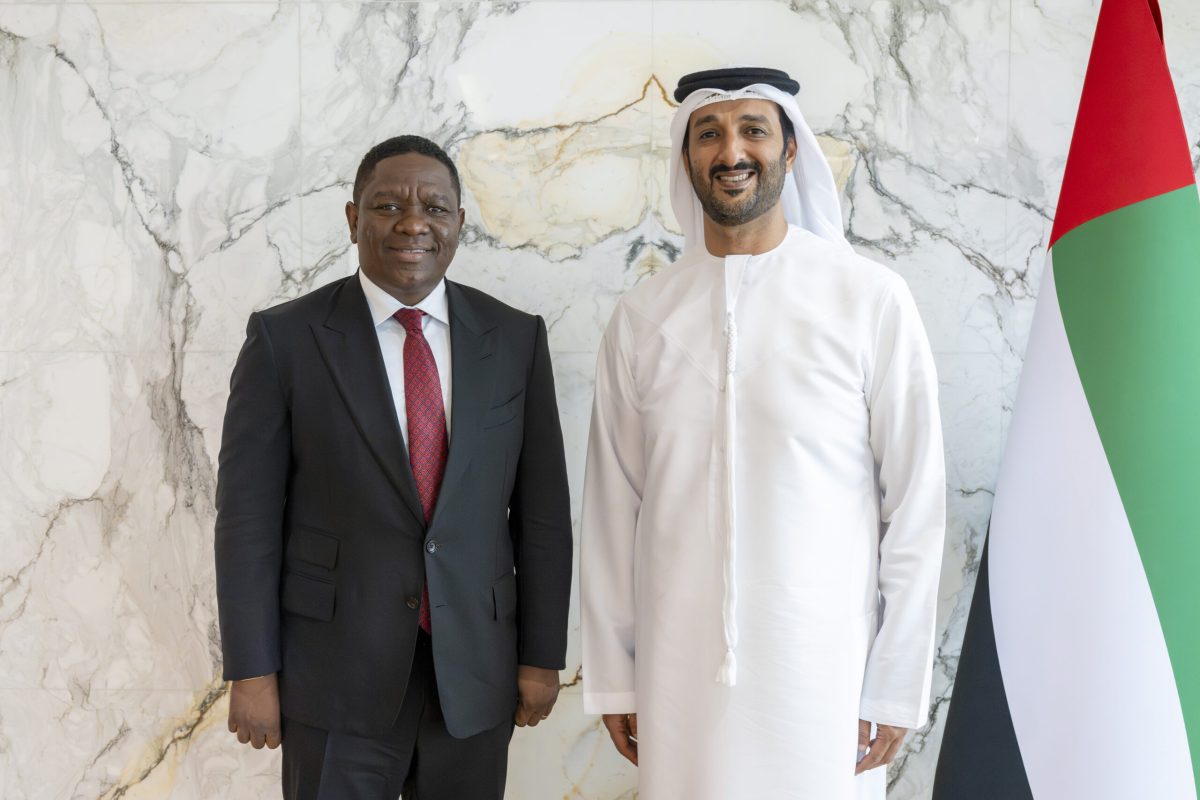
In early July, Angola's Tourism Minister Márcio Daniel sat down with his UAE counterpart, Abdulla bin Touq Al Marri, in Dubai. The conversation wasn't about vacation packages or hotel chains. It was about money. Both governments want to mobilize private investment, build tourism infrastructure, and position Angola as a destination that matters on the global stage.
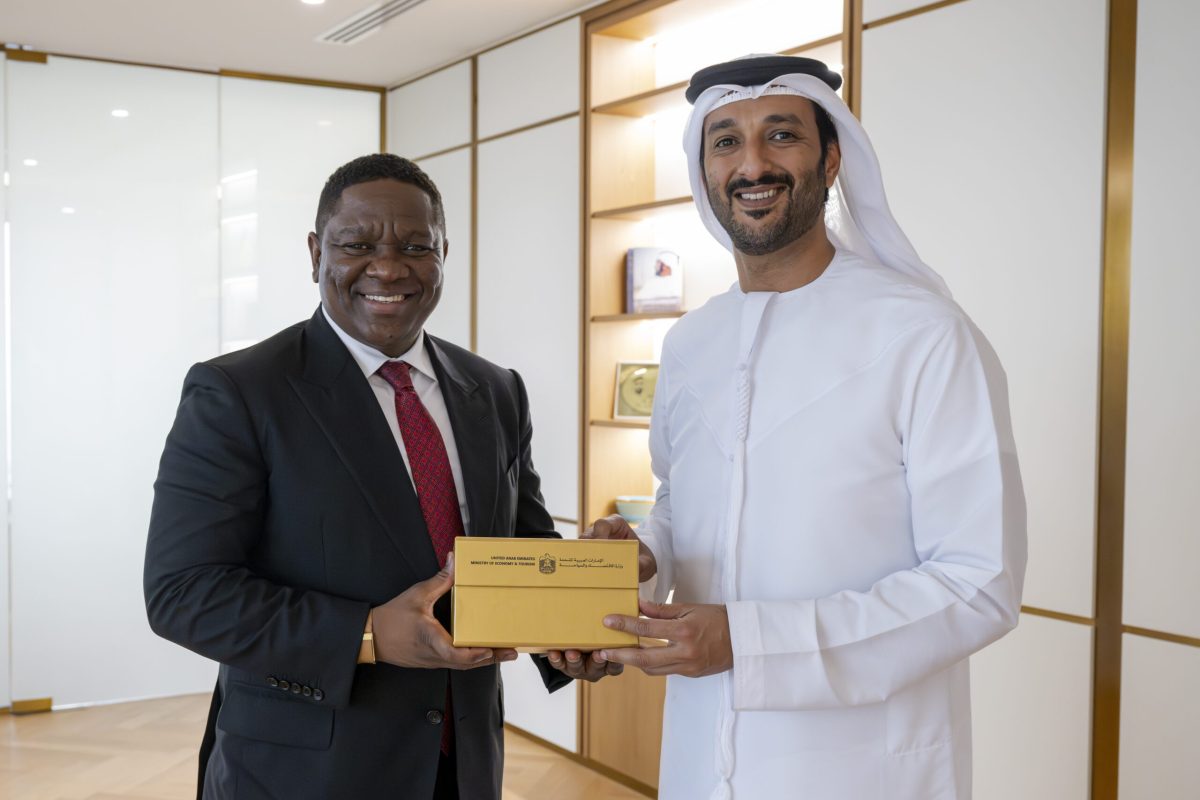
Angola has spent decades as an oil economy. That dependency is risky. Tourism offers a lifeline that actually benefits more people, keeps cash circulating longer, and doesn't require drilling deeper into the ground. Angola's Massive Bet to Become Africa's Next Tourism Powerhouse has been building momentum for years, but this partnership with the UAE adds real financial muscle to what was mostly wishful thinking before.
Why the UAE is getting involved
The United Arab Emirates isn't coming to Angola out of charity. The UAE has become Africa's most active investor in recent years, pouring capital into tourism, transport, and infrastructure across the continent. It sees Angola the way investors saw Dubai 25 years ago: raw potential with strategic positioning. A presence in southern Africa gives the UAE more influence and access to growing markets.
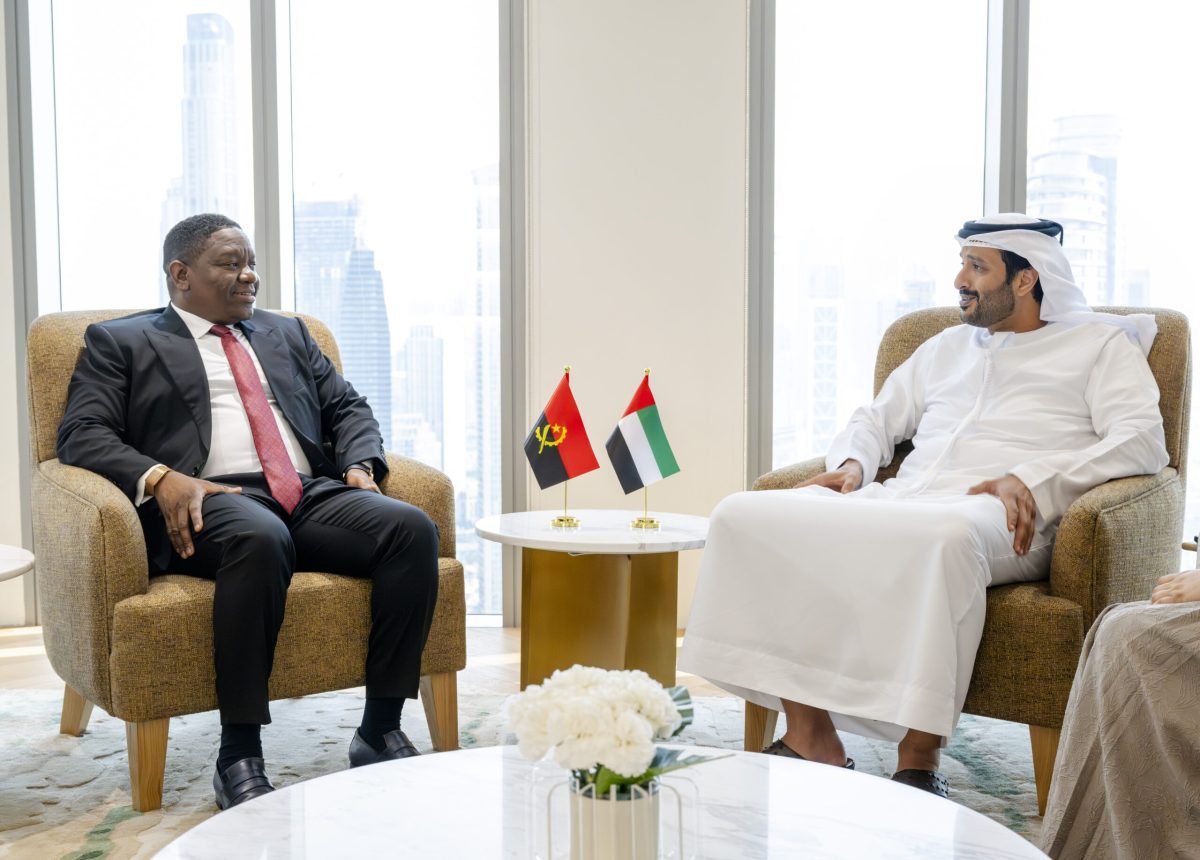
For Angola, the timing is crucial. The two nations are founding members of the UN Tourism Investment and Tourism Pass initiative, which is essentially a framework for getting creative about how tourism gets financed globally. Both countries agreed to keep talking, share investment opportunities, and actually follow through on promises. They're setting up joint oversight mechanisms so that the plans don't just disappear into government filing cabinets.
What's actually on the table
The Dubai meeting didn't announce specific projects or dollar amounts. What it did was create the conditions for those deals to happen. Both governments agreed to organize business missions, identify priority investment zones, and explore innovative financing mechanisms that could unlock Gulf capital for tourism projects in Angola.
Angola has obvious attractions. The Namib Desert ranks among the world's most otherworldly landscapes. Iona National Park protects elephant populations and offers safari experiences that few outsiders have experienced. The capital, Luanda, sits on the Atlantic with colonial architecture and emerging food scenes. Angola's Real Tourism Gamble Starts With Its People, Not Resorts, and any serious development has to center on how tourism benefits communities, not just foreign investors.
What needs to happen next
Money alone won't transform Angola into a tourist destination. Roads need repairs. Hotels need to be built in places that matter. Airports need better connections. Visa processes need simplification. Local guides need training. Tourism boards need marketing budgets that rival neighboring countries.
The UAE partnership helps with infrastructure financing, but the harder work is on Angola. Angola's Real Secret Weapon Isn't Oil. It's Business Travel, and opening corridors to business travelers requires both hard infrastructure and soft landing experiences. Airlines need to see demand to add routes. Hotels need occupancy to justify construction. Marketing campaigns need to reach decision-makers in source markets.
What's different now is that Angola has a committed partner with capital, experience building tourism markets, and a vested interest in success. The UAE didn't become a tourism destination overnight, but it has the playbook. Whether Angola can execute that playbook in a context as different as southern Africa is the question that matters.
For travelers, the immediate impact is modest. You won't see direct flights from New York to Luanda arrive next month. But the foundation is being poured. In three to five years, Angola could offer experiences that aren't available anywhere else in Africa. Desert camps in the Namib. Proper lodges in national parks. Organized wildlife expeditions. Real restaurants and hotels in coastal towns. The investment framework is now in place. Execution depends on whether Angola's government and international partners can move at the pace markets demand.