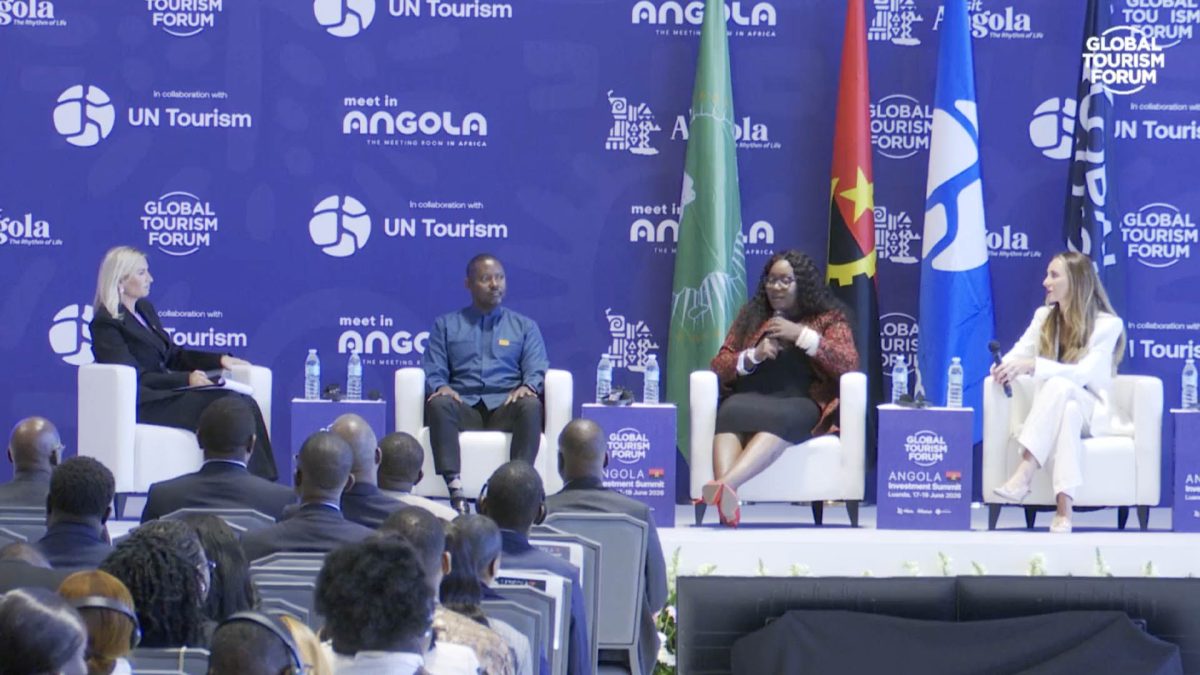
Angola is tired of being seen as just another resource-rich nation. At the Global Tourism Forum Angola Investment Summit in Luanda, government and industry leaders made it clear: the country is ready to play a different game entirely. Instead of chasing resort tourists, they're targeting the people who actually move money, make decisions, and build networks at international conferences.
The numbers tell the story. Frank Murangwa, ICCA Director for Africa, dropped a reality check: the entire African continent accounts for just 4 percent of the global meetings market. That's embarrassing for a continent with 54 countries and over a billion people. For Angola, it means both a massive hole in the market and an equally massive opportunity waiting to be filled.
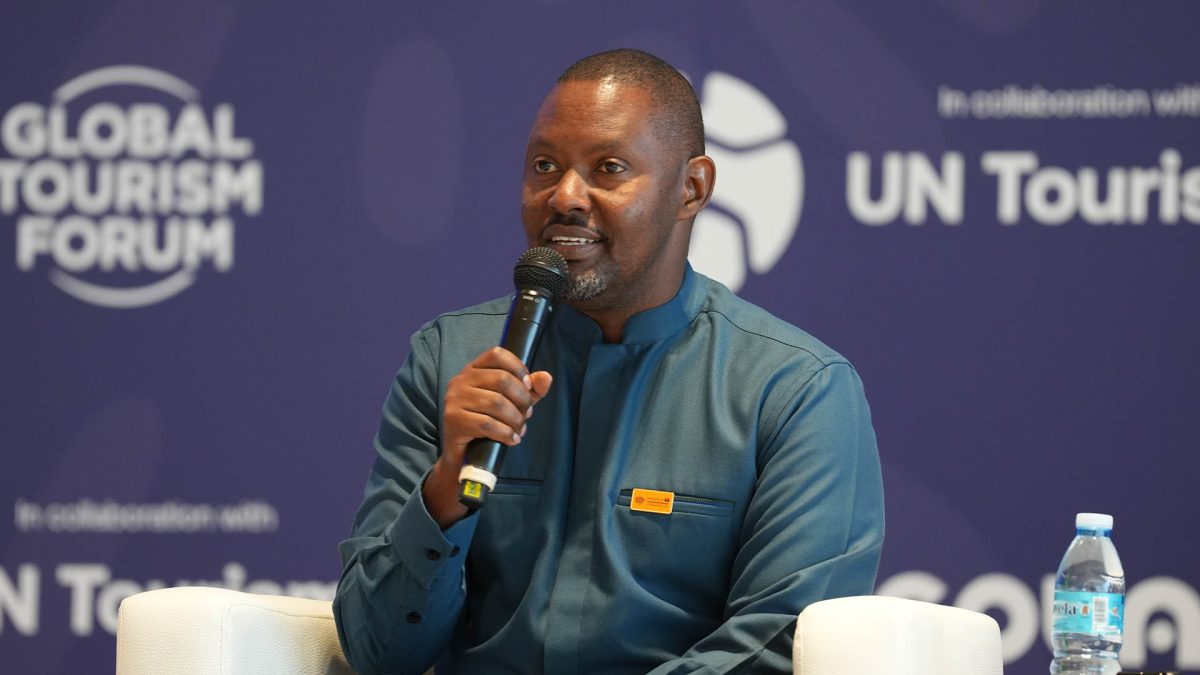
But hosting a conference isn't like rolling out a beach resort. The infrastructure game is brutal. Murangwa stressed that Angola will need far more than nice buildings. Air access matters. Visa policies matter. Professional event staff matter. So does having a dedicated convention bureau with actual bidding power on the world stage. Angola just ticked that box by launching Meet in Angola Convention Bureau, giving the country a real institutional backbone for the first time.
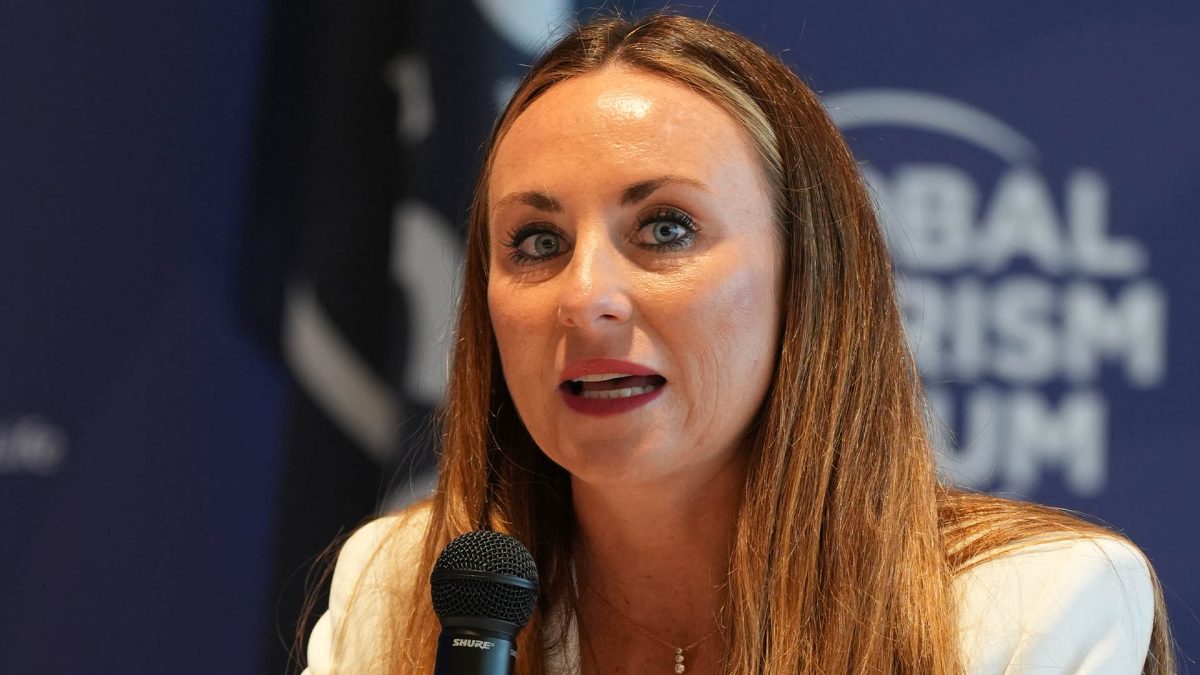
Julia Kleber, CEO of Kleber Group, called the bureau "a crucial milestone." Angola has historically been known for oil, gas, and diamonds. Business tourism? That was barely on the radar. Now it is. Angola's making a massive bet to become Africa's next tourism powerhouse, and business events are front and center in that vision.
Look at Rwanda if you want proof this strategy works. Kigali has built itself into a regional hub for conferences and meetings, and the payoff goes way beyond filled hotel rooms. Investment leads, foreign partnerships, improved brand perception, direct flights to new destinations. That's the blueprint Angola wants to copy, though panelists warned against trying to chase too many tourism segments at once. Focus wins. Scatter-shot approaches fail. Rwanda succeeded because it picked business tourism and committed.
Here's what makes this interesting for travelers though: Angola isn't just building sterile conference centers. Speakers emphasized that modern business delegates expect more than PowerPoint presentations and hotel ballrooms. They want to experience the destination. That means Angola's real tourism gamble starts with its people, not resorts. Luanda could become a gateway where formal meetings combine with curated experiences: local cuisine, nature excursions, genuine encounters with Angolan culture. For the destination, that means training local event professionals, building supply chains, and creating real jobs across hospitality and tourism services.
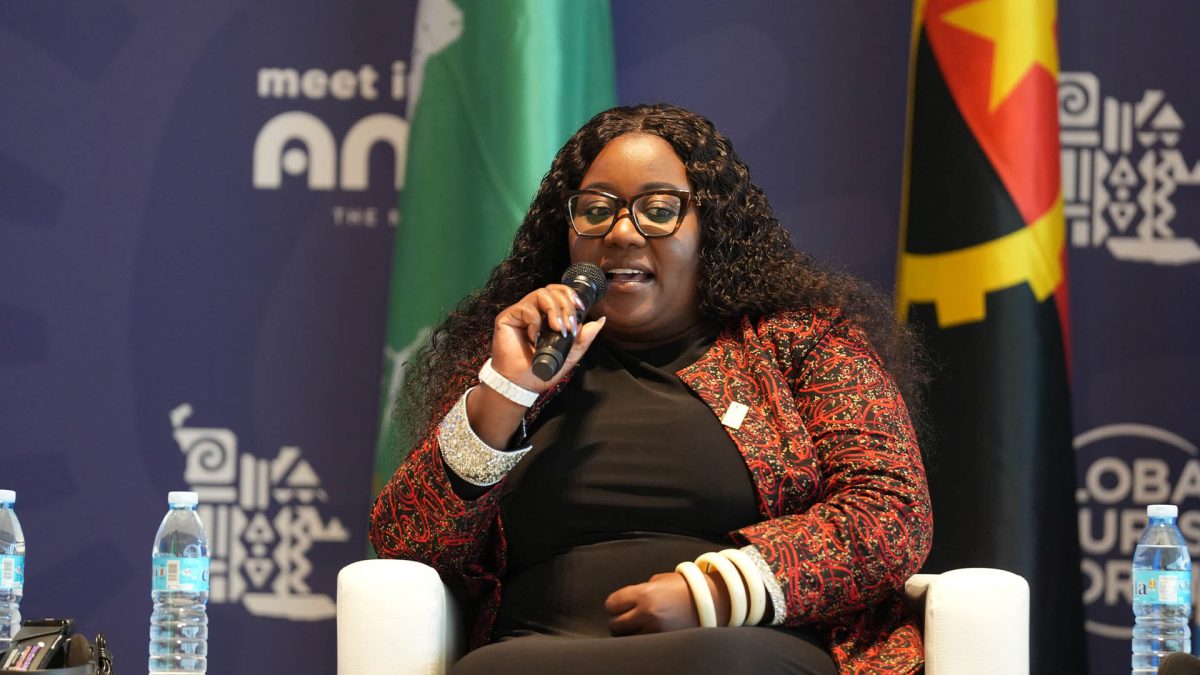
Mulemwa Moongwa, of the Africa MICE Summit, made another shrewd point: the pandemic exposed how vital these business gatherings actually are. When conferences stopped, entire ecosystems collapsed. Hotels lost revenue. Airlines lost passengers. Transport companies went quiet. Venues sat empty. Business tourism keeps dozens of industries humming. Now that everyone understands that value, competition is heating up across Africa.
The wildcard in Angola's favor? Intra-African conferences. Rather than treating neighboring countries only as competitors, African nations could move business events around the continent like a traveling exhibition, building event circuits that strengthen regional connections. That gives airlines hard evidence of passenger demand for new routes and better flight frequencies. For Angola, positioned as a central hub, this could mean becoming the preferred launching point for Pan-African business gatherings.
The real test starts now. Angola has the strategy, the bureau, and the momentum. What matters next is execution. Can they land major conferences? Will they train event professionals to international standards? Can they deliver flawless logistics year after year? Those are the questions that separate ambition from achievement. If Angola nails this, MICE could become its most effective tool for economic diversification and reshaping how the world thinks about the country.