Picture this: a country with desert adventure, pristine coastlines, wildlife corridors, and centuries of cultural heritage all within reach. Now imagine that same country is practically brand new to the global tourism scene, hungry for investment, and throwing open its doors with incentives that would make any developer sit up and take notice. That's Angola in 2026.
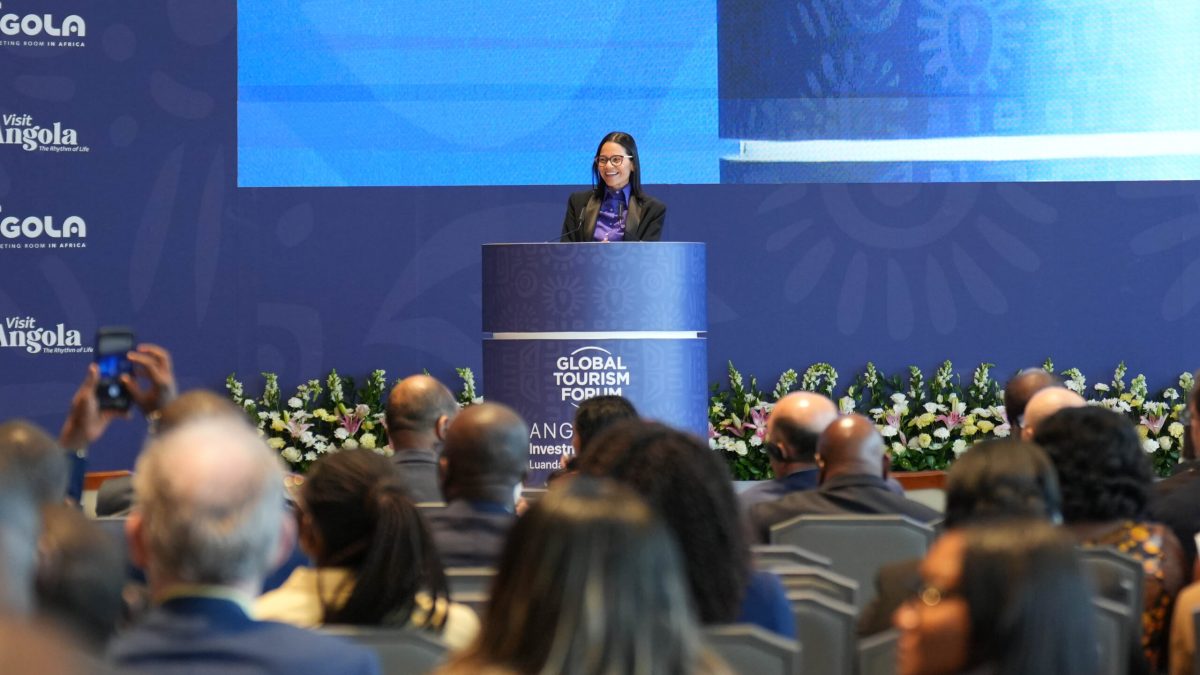
The nation just hosted a summit that brought together 1,000 tourism leaders, investors, and government heads to unveil a detailed blueprint for turning its travel sector into an economic engine. The investment framework, called "Tourism Doing Business: Investing in Angola," reads less like a formal document and more like an open invitation written in the language of hard numbers and real opportunity.
The Numbers Tell a Compulsive Story
Angola's visitor arrivals jumped 28 percent in 2025 alone, with 223,140 international tourists crossing its borders. That jump towers over pre-pandemic levels, a signal that the country has already crossed a threshold where tourism is no longer theoretical. Foreign direct investment in tourism is projected to hit $3 billion this year. For context, that's serious money flowing toward a destination most Western travelers couldn't locate on a map a decade ago.
The timing matters. Angola's government has spent years deliberately weaning itself off oil dependency, and tourism represents a natural alternative. Unlike extractive industries, tourism spreads wealth across provinces, creates jobs in hospitality and services, and gives local communities reason to protect their natural treasures. A new airport capable of handling 15 million passengers annually signals that infrastructure is finally catching up to ambition.
What Makes This Different From Other African Tourism Pushes
Angola isn't asking investors to take a leap of faith into vague promises. The incentive package is concrete: 100 percent foreign ownership rights, full repatriation guarantees, industrial tax cuts ranging from 20 to 100 percent for up to a decade, and visa-free access for visitors from 98 countries. The country also participates in the KAZA UniVisa system, which streamlines travel across Southern Africa. For travelers, that means fewer bureaucratic headaches when exploring the region. For developers, it means reduced financial risk and faster returns.
What sets Angola apart isn't just policy. The geography is exceptional. Coastal resorts on the Atlantic. Desert landscapes reminiscent of Namibia but less crowded. River-based nature experiences. Indigenous culture and colonial architecture in cities like Luanda. Few African nations can package all four into a single itinerary. That diversity appeals to different market segments, from luxury resorts to eco-lodges to wellness retreats, which means developers can tailor projects to specific niches.
The Pipeline is Real
This isn't vapor. The investment guide maps out existing opportunities and bankable projects across multiple regions. It's paired with commitments to green infrastructure and digital services, plus access to a workforce being trained specifically for hospitality. The blueprint bridges the gap between government vision and investor reality by translating policy reforms into language that developers actually understand.
UN Tourism's leadership emphasized that Angola is at an inflection point. The country has done its homework on policy. It's invested in the hard infrastructure. The global appetite for new, less-trodden destinations is genuinely there. Timing, execution, and follow-through will determine whether Angola becomes the next Kenya or Botswana, or whether it remains an overlooked gem.
For travelers who like to get ahead of the curve, Angola represents something increasingly rare: a destination with serious development momentum and authentic character still largely intact. The question isn't whether Angola will become a tourism hub. It's whether you'll visit before everyone else figures it out.