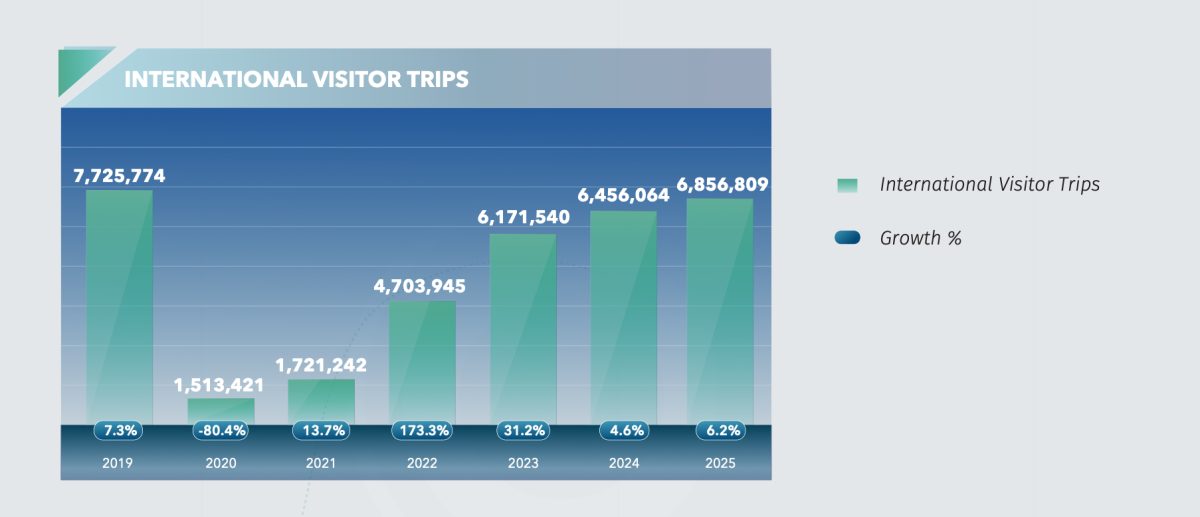
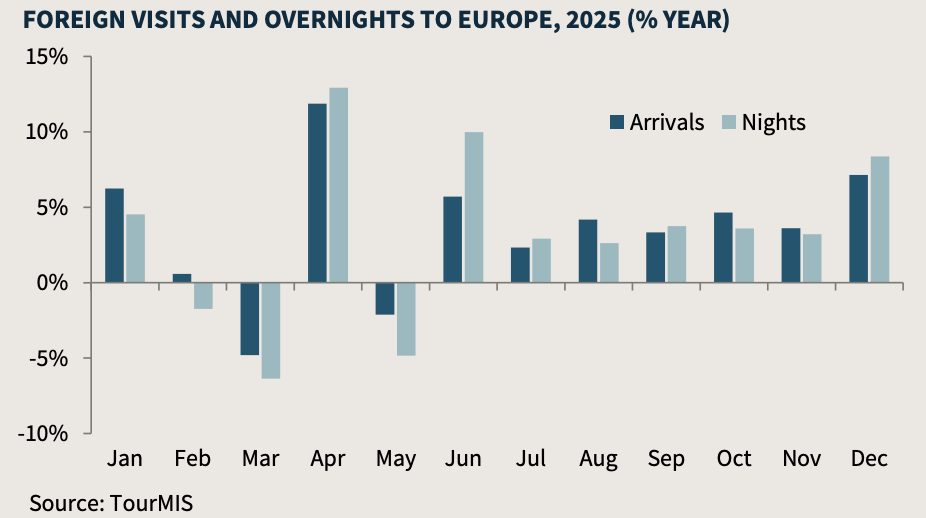
The numbers tell a story that contradicts the doom-and-gloom headlines. European tourism didn't just survive the ongoing Middle East crisis and its cascade of aviation disasters. It flourished. The latest data from the European Travel Commission shows international arrivals jumped 5.6% in early 2026, with overnight stays climbing 5.5% in the same period.
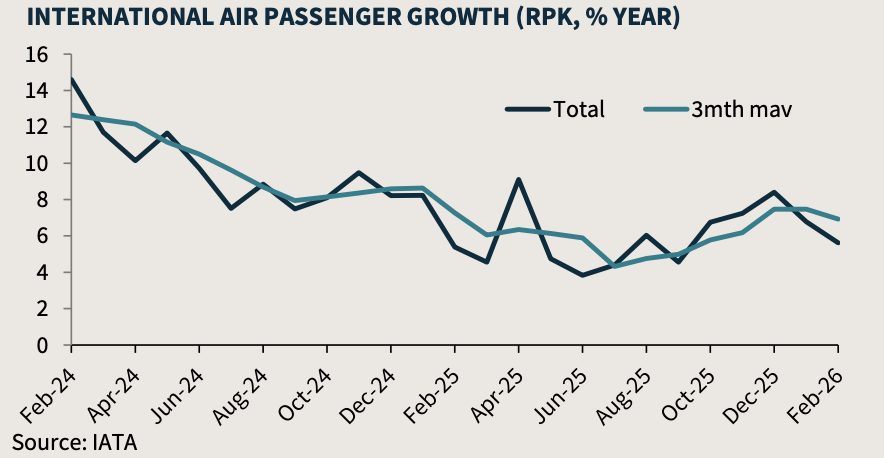
On paper, conditions couldn't have been worse. Airspace closures. Fuel prices that made airline executives wince. Expensive detours around sensitive zones. Flight cancellations. Shrinking schedules. The jet fuel supply chain hung in the balance. Industry observers predicted carnage. Instead, Europe's travel sector kept humming along.
Why Europe stayed the obvious choice
The explanation is partly geographic and partly psychological. When the world feels chaotic, travelers gravitate toward destinations that feel safe and stable. Europe ticked both boxes. Compared to regions where geopolitical tensions ran hot or where getting there meant navigating risky airspace, Europe looked like a rational choice.
Timing helped too. An unusually generous snow season coincided with the Winter Olympics in Italy, creating perfect conditions for anyone dreaming of mountain escapes. The Alps delivered, and visitors responded. Italy saw arrivals spike 14%, Austria jumped 7%, France climbed 5%, and Germany posted 2.7%. Northern Europe and winter destinations as a whole recorded a stunning 13% surge in arrivals during January and February. Ireland led the charge with a 30% increase, while Finland posted a 12% jump, both boosted by growing business travel that provided extra ballast when leisure travel got turbulent.
Mediterranean destinations became the safe haven
When northern Europe basked in snow, the Mediterranean offered its own appeal. Greece saw arrivals climb 33% in early 2026. Cyprus followed with 9%, Croatia with 8%, and Spain with 2%. The pattern holds a clue about modern traveler behavior, though. While arrivals surged, overnight stays didn't always keep pace. People are choosing shorter trips, more selective itineraries, hitting the highlights before moving on.
Miguel Sanz, President of the European Travel Commission, observed that "Europe's tourism sector has shown a strong start to early 2026, underlining the resilience of travel demand amid a more complex global environment." His optimism came with caveats. The organization identified three real vulnerabilities ahead: higher travel costs squeezing margins, airlines consolidating routes to trim losses, and disrupted connectivity through major hubs like Dubai, which faced repeated airspace closures since February. Long-haul travel suffered. Tourism Economics estimated that if the conflict stretched two months, roughly 103 million international overnight stays across Europe could go at risk in 2026 (about 4% of the total). Since the situation had already exceeded that timeline by the report's publication, the actual impact remained murky.
Intra-European travel provided the cushion
Strong demand from within Europe itself became the shock absorber. While distant travelers from Asia and the Americas reconsidered their plans or canceled altogether, Europeans embraced closer-to-home getaways. This shift is expected to persist through the end of 2026. Regional policies promoting local tourism align neatly with this natural traveler behavior.
History offers perspective. Previous Middle East crises typically sent more travelers toward European Mediterranean destinations, seen as accessible havens. The 2026 pattern followed that script. Sanz summed it up: "While tensions in the Middle East are adding pressure on costs and connectivity, Europe continues to benefit from strong intra-regional demand and its reputation as a safe destination. Maintaining competitiveness will require a continued focus on stable connectivity and value for money in the months ahead."
What emerges is a picture of a tourism industry less fragile than critics feared. Europe's appeal doesn't rest on a single factor. It's stability, proven attractions, reasonable accessibility from within the continent, and that intangible quality of feeling like the right choice when uncertainty rises elsewhere. Whether that resilience holds depends on what happens next in geopolitical hotspots and whether airlines can manage costs without gutting the connectivity that makes European travel attractive in the first place.