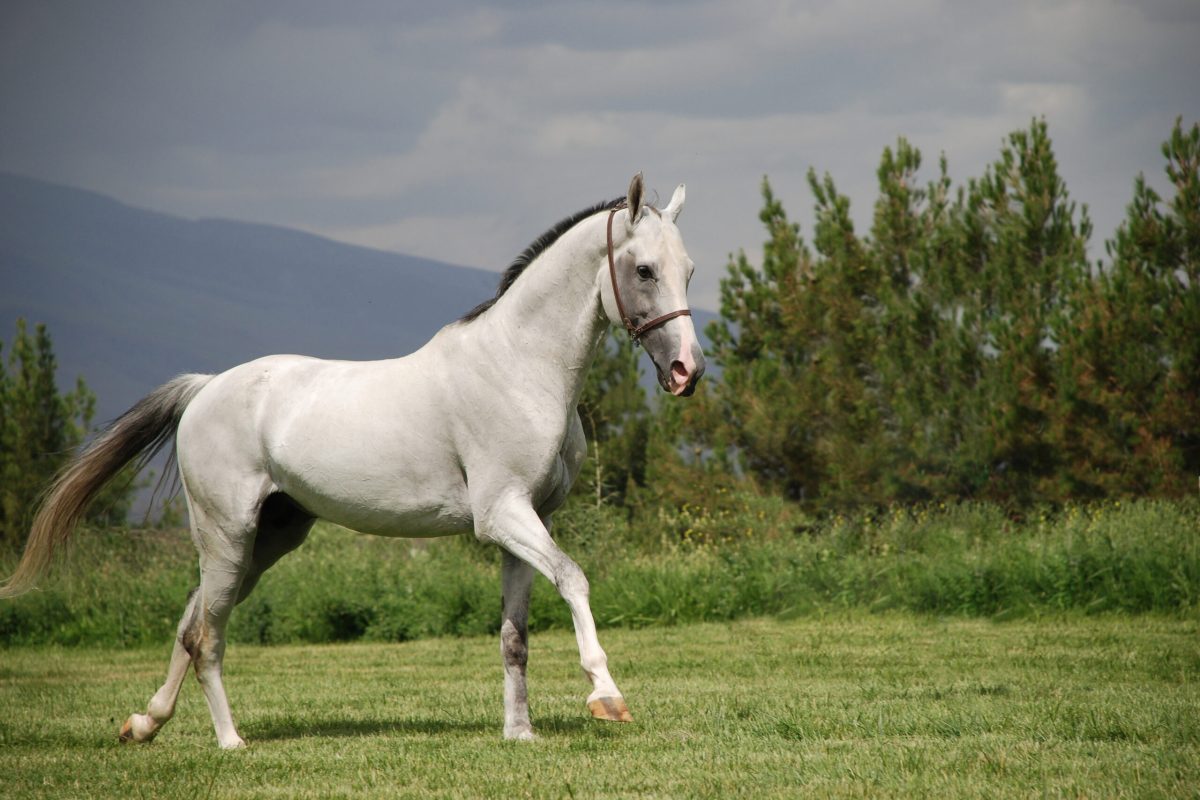
Picture this: a horse whose coat shimmers like burnished gold under sunlight, whose frame stretches tall and elegant, whose very presence seems to carry centuries of desert journeys and nomadic legend. That's the Akhal-Teke, and come September 2026, hundreds of these extraordinary animals will arrive at the Peelbergen Equestrian Centre in Kronenberg, Netherlands, for what promises to be one of the most stunning gatherings of its kind.
From September 4 to 6, 2026, breeders, riders, judges, and horse devotees from across Europe, Asia, and the Middle East will descend on this Dutch venue for the World Beauty Championship and Equestrian Sports Competition of the Heavenly Akhal-Teke Horses. But this isn't just another competition. It's a cultural crossroads where sport, art, heritage, and international fellowship collide. Sculptors, painters, carpet weavers, and photographers will exhibit works inspired by these horses alongside the competition itself. Free entry welcomes all curious travelers, making this accessible to anyone drawn to equestrian culture, Central Asian heritage, or simply something genuinely unforgettable.
A Horse That Belongs in Legend
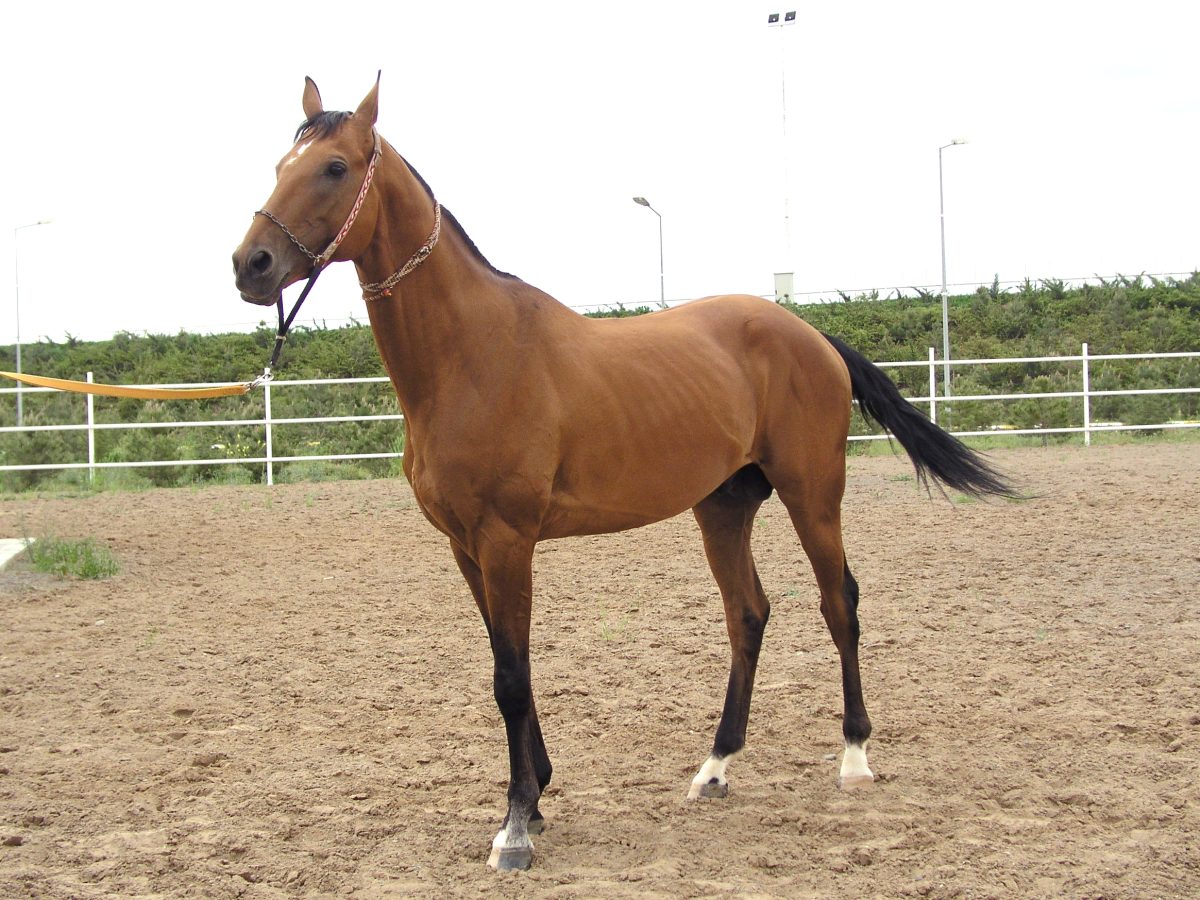
The Akhal-Teke stands apart from every other horse breed on the planet. Bred for thousands of years in the deserts of Turkmenistan, it boasts a frame built for endurance, intelligence that borders on the intuitive, and a coat that catches light like silk dipped in metal. Euronews once called it "the extremely rare horse with satin-like reflections," and the description barely captures the reality of seeing one in person.
This isn't a breed known only to specialists. Kazakh President Kassym-Jomart Tokayev owns Akhal-Tekes. In 1993, the French government received one as a diplomatic gift symbolizing friendship and cultural exchange with Turkmenistan. Western equestrian centers now rank them among the world's most beautiful horses, admired for their tall stature, refined heads, expressive eyes, and preternatural athleticism.
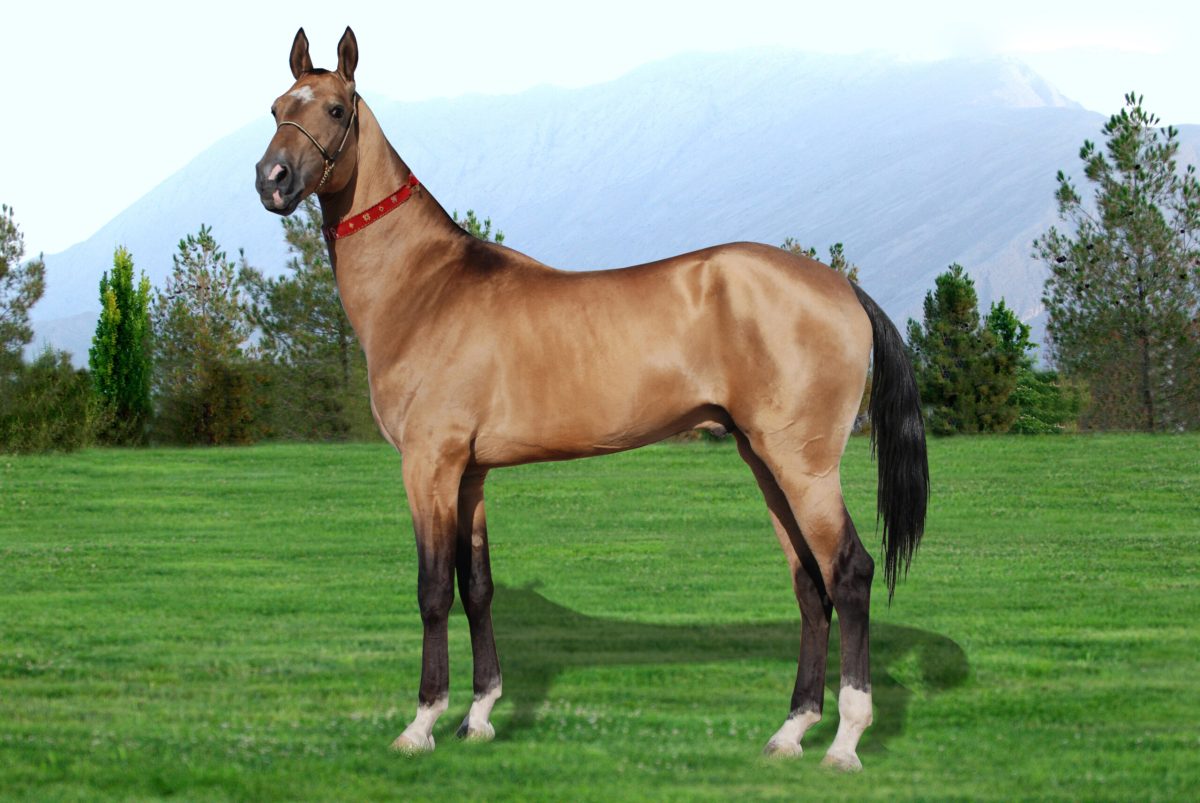
Yet the breed's story runs deeper than aesthetics. For Turkmen people and other Central Asian cultures, horses represented far more than transportation. They meant freedom, honor, survival, and identity itself. That spiritual connection never faded. Today, the Akhal-Teke appears in Turkmenistan's official symbols, national art, literature, and celebrations. It's woven into the country's very sense of self.
Resilience Through Dark Times
The breed nearly disappeared in the 1930s. Soviet collectivization campaigns and political repression decimated traditional horse breeding across Central Asia. Pure bloodlines vanished. Numbers collapsed. Yet dedicated breeders refused to let the tradition die. Their determination saved not just horses, but an entire cultural inheritance for future generations. The Akhal-Teke's survival mirrors the resilience of the people who raised it: tested by hardship, shaped by adversity, unbowed.
What to Expect Over Three Days
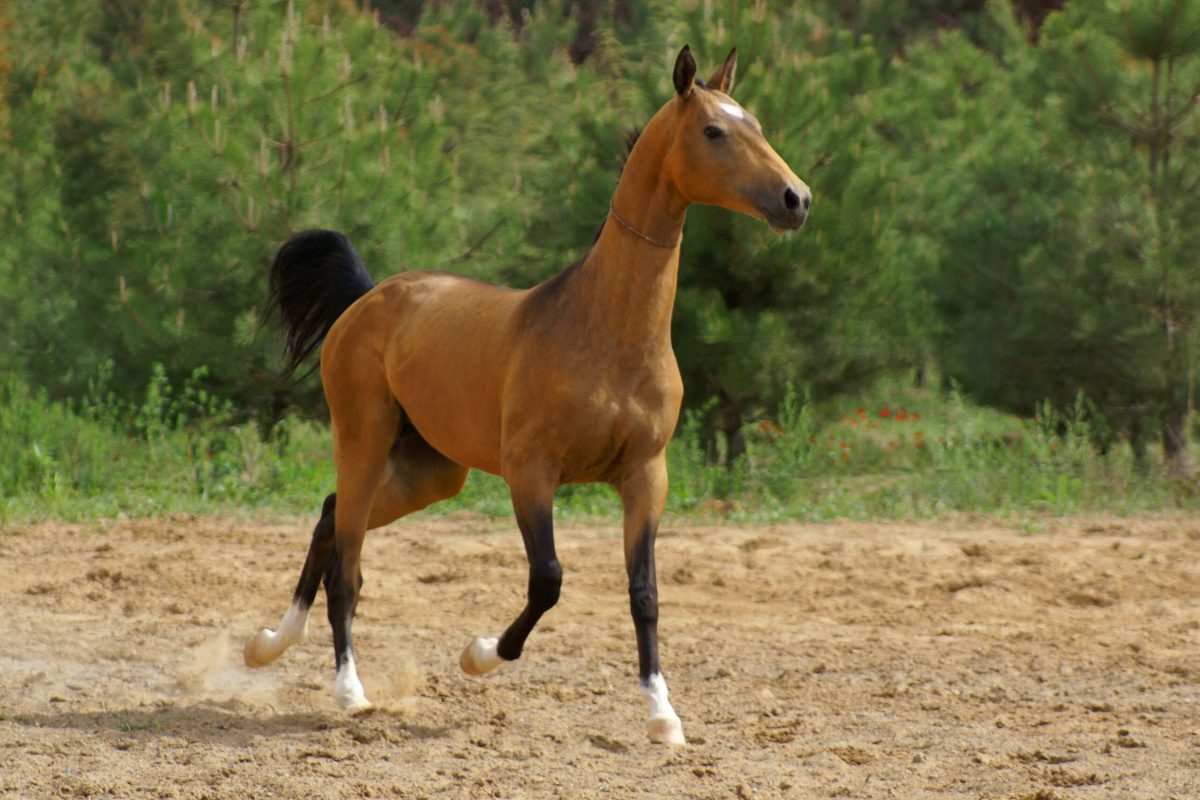
The championship unfolds across a carefully choreographed schedule. On Friday, September 4, the event opens with initial rounds of the World Beauty Championship. International judges will evaluate young horses and mares, assessing conformation, movement, breed characteristics, and overall presentation. The dressage competition also begins that day, giving spectators their first glimpse of what makes the Akhal-Teke so mesmerizing to watch: precision paired with grace paired with undeniable intelligence.
Saturday, September 5, is championship day proper. The afternoon features presentations of adult horses before judges crown the World Champion Akhal-Teke Horse, the highest honor in international breeding. But the schedule extends far beyond ring performance. The International Akhal-Teke Horse Breeding Association holds an open conference. Exhibition halls showcase horse breeding techniques, equestrian culture, traditional craftsmanship, and visual arts celebrating the breed. Awards banquets honor not just winning horses, but the artists, sculptors, and weavers whose work pays tribute to these animals.
The entire experience transforms Kronenberg into a temporary capital of a global Akhal-Teke community. For three days, a small Dutch town becomes the epicenter of something much larger: the continuity of tradition, the bond between humans and horses, and the enduring power of cultural heritage to unite people across continents.
Entry is free for all visitors. More information about the programme and practical details is available on the official Akhal-Teke Championship 2026 event page.
If you're planning travel to Europe in 2026, this sits alongside other major draws on the continent's calendar. Consider pairing your visit with a road trip through nearby European regions or exploring the evolving transport landscape connecting Europe's capitals. The Netherlands itself offers plenty beyond this event, from cycling culture to world-class museums. But September 2026 offers something rare: a chance to witness living history, to see beauty that took millennia to create, and to stand alongside people who've devoted their lives to preserving something irreplaceable.