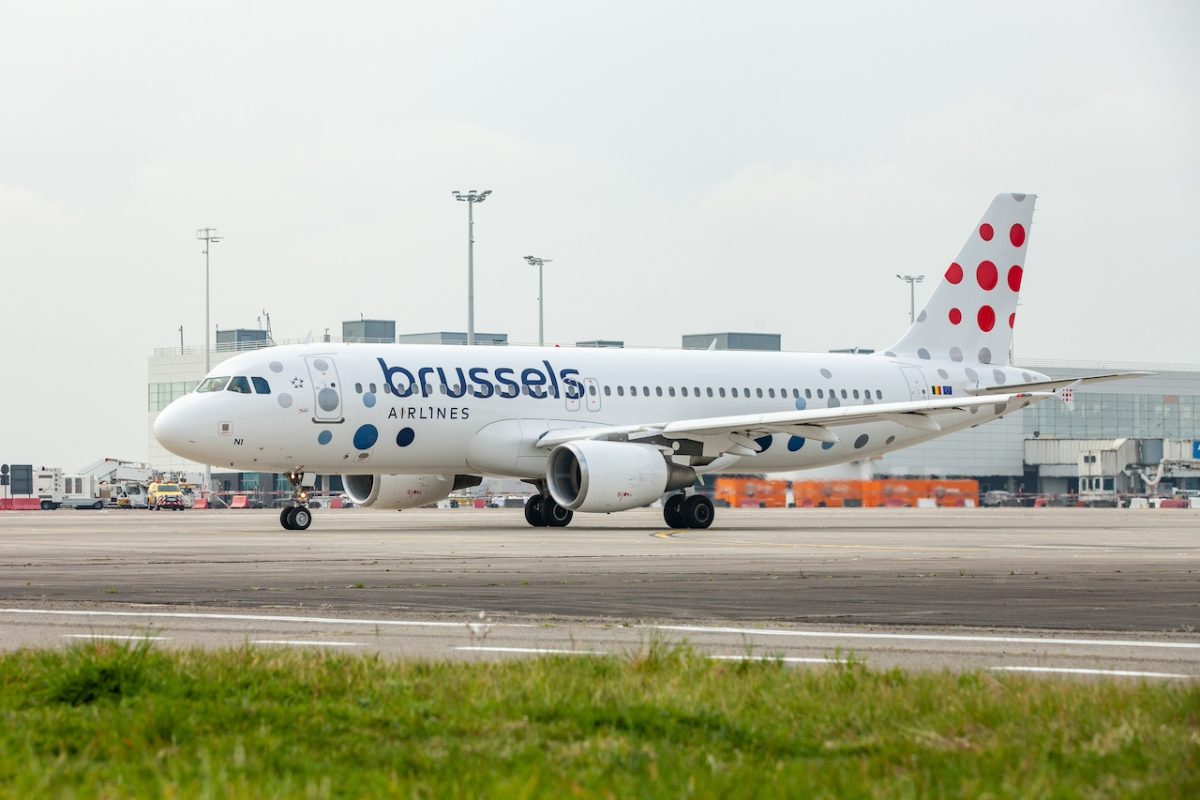
Brussels Airlines just made a smart bet on winter. Starting this December, the Belgian carrier will operate scheduled passenger flights to three Arctic destinations: Evenes in Norway and both Kemi and Kittila in Finnish Lapland. This isn't some experimental charter operation. These are regular, repeating flights on the winter timetable, available to anyone hunting for snow, Northern Lights, and adventure in Europe's far north.
The expansion taps into a surge in Arctic winter tourism that's been building for years. Greet Vandebos, head of leisure sales at Brussels Airlines, frames it clearly: "The Arctic region in winter is no less than magical." The carrier had been working with travel agencies to get passengers to these destinations, but demand has grown enough to justify actual scheduled service. That's a telling sign about where travelers want to go when temperatures drop.
Here's what you can actually book. Kittila gets the most flights with three departures weekly from December 10, 2026 through March 27, 2027. Kemi receives up to two flights per week from December 25 through March 10. Evenes gets one weekly flight in February and March. If you're serious about seeing the aurora borealis or carving through backcountry snow, you now have direct options from Brussels without routing through a charter operation.
Both regions deliver what winter enthusiasts crave. Nordland and Lapland offer snow-covered terrain, outdoor activities ranging from dog sledding to ice fishing, and legitimate chances to witness the Northern Lights. The season matters. Long winter nights in the Arctic give you more hours to hunt for green sky, while the landscape itself transforms into something that barely resembles the rest of Europe.
Solving aviation's seasonal problem
This move reflects a bigger industry challenge. European airlines struggle with extreme seasonality. Summer pushes aircraft to capacity, autumn and spring limp along, and winter becomes a revenue desert. Brussels Airlines has experimented with different solutions: hiring student cabin crew for summer peaks, launching warm-weather routes to the Canary Islands and Madeira. Adding Arctic destinations flips the strategy entirely, targeting travelers who actively seek winter experiences rather than sun and beaches.
It's a genuinely clever diversification. Instead of chasing the same warm-weather crowd as every other European carrier, Brussels Airlines is building a winter leisure network with actual personality. That distinction matters when you're trying to fill seats in February.
What's arriving in the cabin
Beyond route announcements, Brussels Airlines is getting a serious technology upgrade. The carrier is among the first in the Lufthansa Group to receive free Starlink-powered Wi-Fi across its fleet. The rollout started in August with Lufthansa aircraft and will expand to SWISS, Austrian Airlines, and Brussels Airlines over the coming months. By 2029, the entire group expects to operate Europe's largest airline fleet equipped with satellite internet. That means you'll have high-speed connectivity even when you're crossing over the Arctic Circle.
The Nordic expansion lands at a moment when Brussels Airlines is repositioning itself as more than just a connecting hub carrier. Real scheduled service to genuine winter destinations, paired with modern onboard amenities, signals ambition. Winter used to be dead season for leisure travel. Now it's becoming a deliberate destination choice, and Brussels Airlines is betting that travelers will notice.