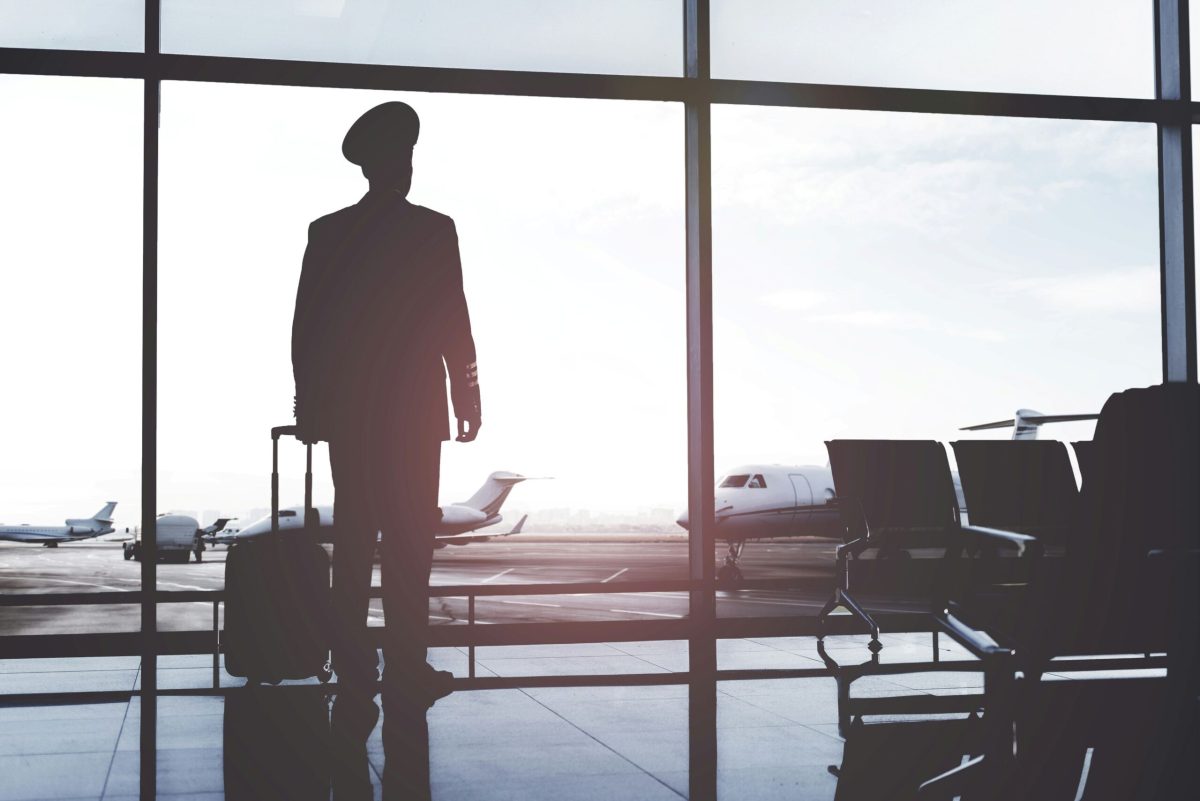
The fantasy of infinite travel never truly dies. We all imagine it: boarding any flight for free, seeing the world without depleting our bank accounts, maybe even getting a peek into the cockpit. For most of us, that dream stays exactly where it belongs,in our heads. The licensing requirements, the training costs, the years of dedication make it impractical for regular folks. But what if you didn't need to become a real pilot to access a pilot's perks?
Dallas Pokornik, 34, from Toronto, had worked as a flight attendant for a Canadian airline from mid-2017 through late 2019. He understood the hidden benefits of that world intimately: the reciprocal travel agreements between carriers, the generous employee standby privileges, the access to crew lounges most travelers never see. When he left the job, something didn't click. He wasn't ready to give up those advantages. He wanted more than what former employees could get. He wanted what pilots had: unlimited, practically free flights and a golden ticket to exclusive airport spaces.
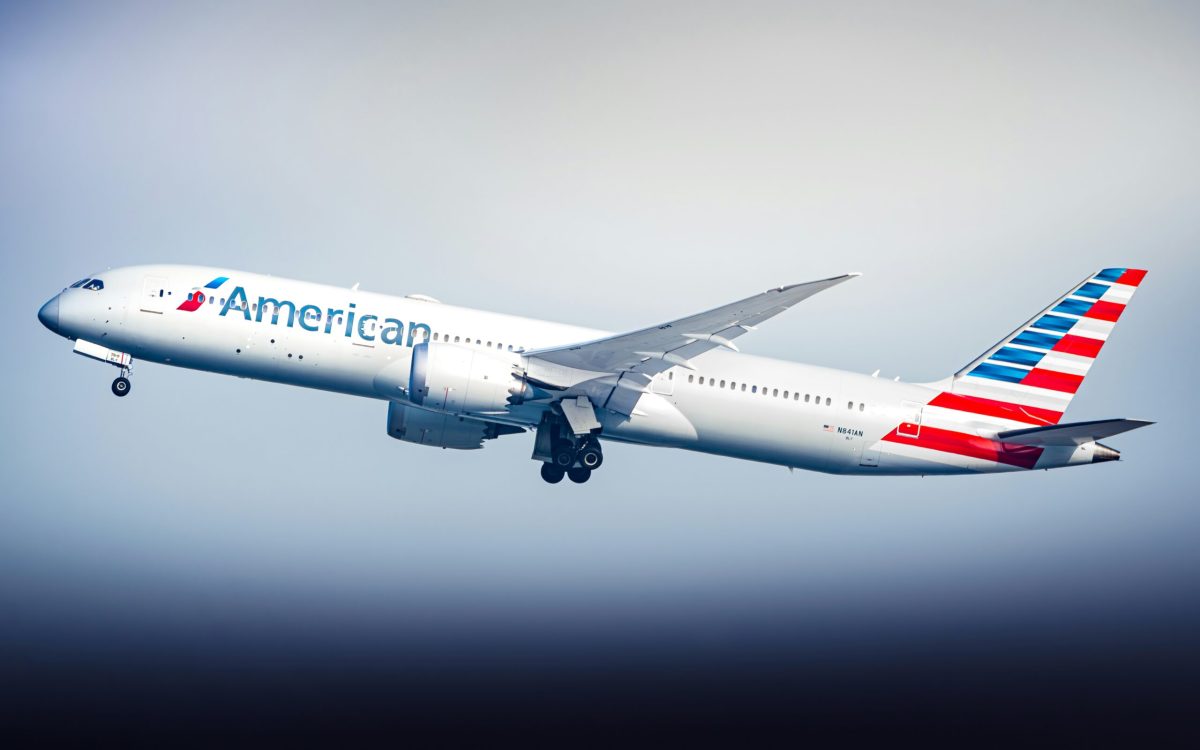
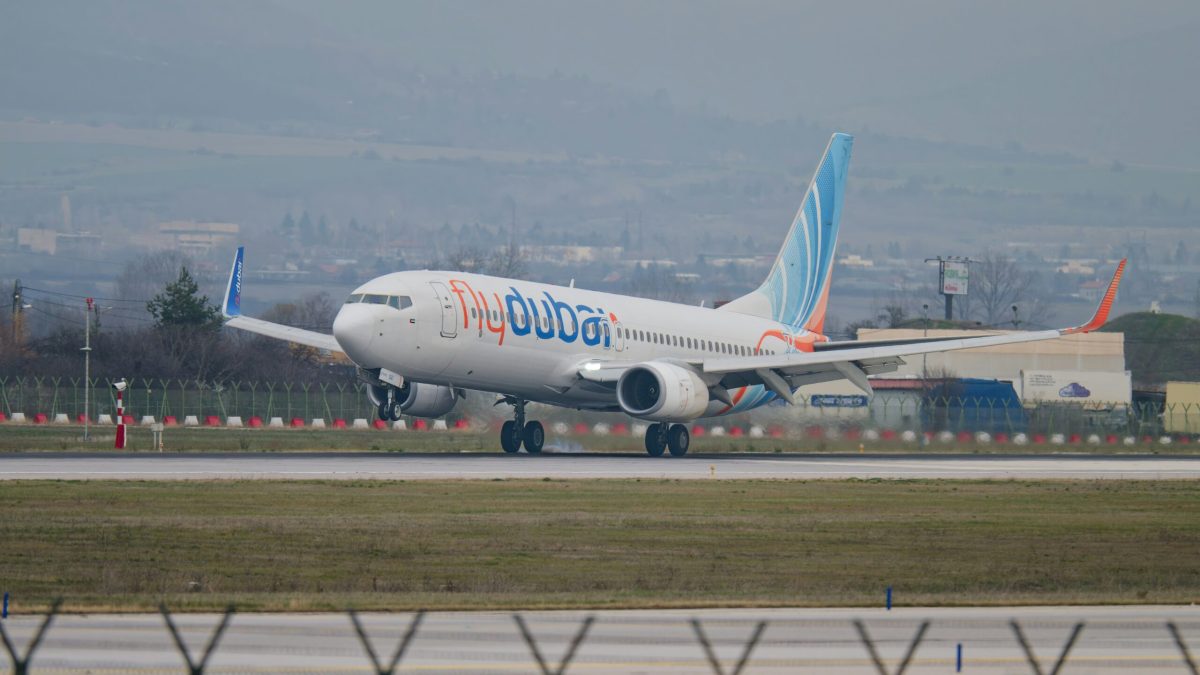
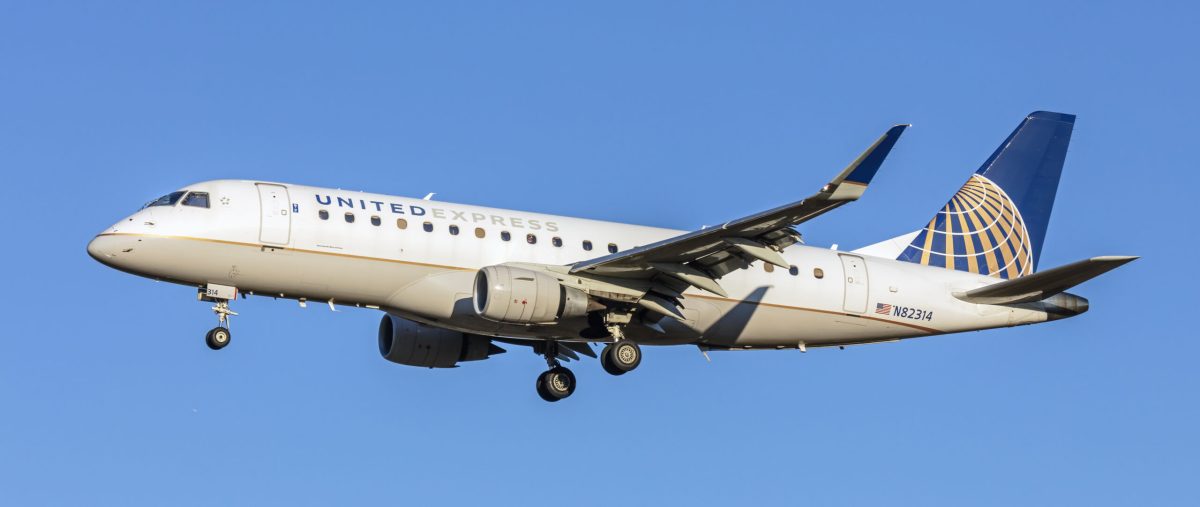
So he manufactured one. Between January 2020 and October 2024, Pokornik posed as a pilot, using a counterfeit employee badge from his former Canadian employer to board flights on three major US carriers. The numbers are stunning: hundreds of free flights, spread across years, none of which were legitimately his to take. He travelled to London, Los Angeles, Mexico, and Phuket, documenting his globe-trotting adventures on social media with the casual confidence of someone who'd actually earned those miles. In one December 2023 photo from London's Heathrow Airport, he posted a selfie with his carry-on, joking about how his friends were getting married and having kids while he was focused on avoiding checked bag fees and securing window seats. The irony is thick: he was flying for free while making light of travel's mundane frustrations.
His scheme relied on a fundamental weakness in security protocols. Fake credentials that look legitimate enough can fool gate agents working at speed, especially when the bearer moves with confidence and knows airline lingo. But eventually, someone pays closer attention than others. An airline employee flagged Pokornik's badge, took a photo, and sent it to his former employer for verification. That's when the facade cracked. The badge bore an expiry date of 2027 and showed other irregularities that real credentials wouldn't have. The jig was up.
Authorities arrested him in Panama and extradited him to the United States. In early 2026, he pleaded guilty to wire fraud in federal court. Now he faces up to 20 years in prison, a quarter-million dollar fine, and years of supervised release. He's also agreed to repay the three defrauded airlines for their losses. His sentencing is scheduled for December 8, 2026.
CJ Ammons, acting special agent in charge of Homeland Security Investigations in Honolulu, said Pokornik "took advantage of travel security protocols for his own benefit, and he will now face the consequences of his actions." Ken Sorenson, US Attorney for Hawaii, echoed the point: breaching these systems means facing justice.
The case reveals something troubling about modern security. Dan Bubb, a former pilot now teaching at the University of Nevada, Las Vegas, told CBC News this was a "wake-up call." In an age of artificial intelligence and advanced technology, creating convincing fake IDs has become disturbingly simple. Airlines and security agencies are scrambling to tighten verification processes, but the cat's already out of the bag. If one person can pull this off for four years, how many others might slip through?
For travelers, the lesson is sobering. The systems designed to keep us safe depend on human attention at crucial moments. One observant employee made the difference between an ongoing fraud and a caught criminal. Security isn't foolproof, and it's not invincible. It's only as strong as the people manning the gates and the procedures they actually follow. Pokornik's free ride is over. Now comes the expensive one.