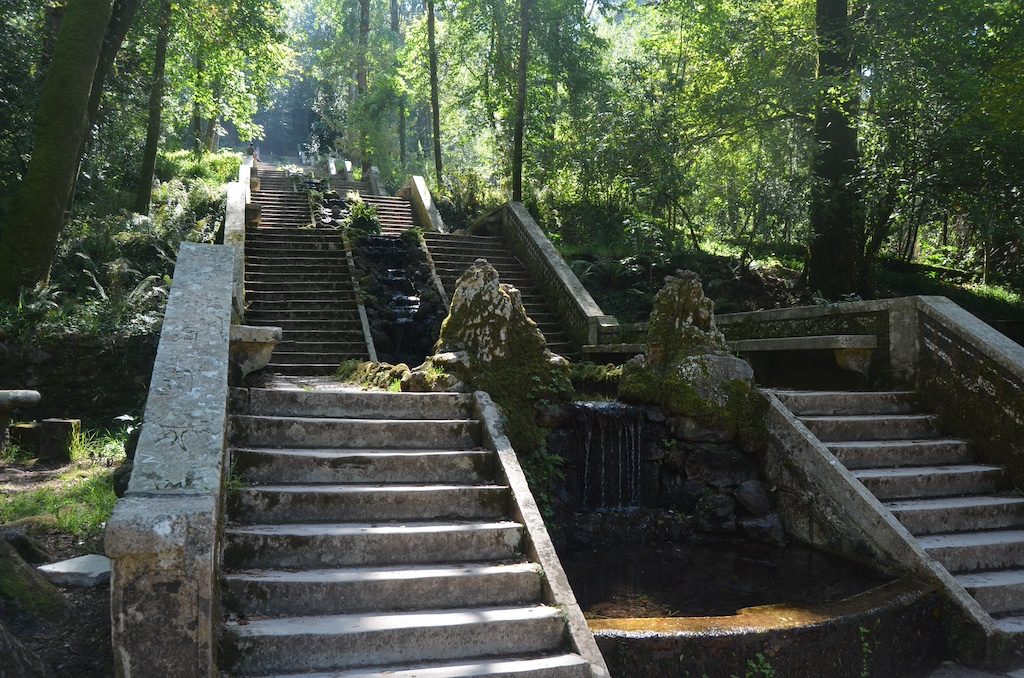
Picture this: you're wandering beneath towering cedars brought from Mexico centuries ago, passing through fern-lined valleys and across moss-covered trails, while trained therapists guide you through structured wellness programs backed by medical evidence. This isn't fantasy. It's what Bussaco National Forest in central Portugal now offers after receiving the official Healing Forest Certificate on July 17, 2024, valid through 2031.
The achievement makes Bussaco the first certified healing forest in southern Europe and on the Iberian Peninsula. Only three other forests worldwide hold this designation, all located in Austria and Germany. For context, this certification doesn't simply mean "nice place to walk around." The International Society of Forest Therapy (ISFT), established in Austria in 2018, maintains rigorous standards that verify both the forest's physical design and the therapeutic outcomes it can deliver.
Why This Forest Is Different From Any Other You've Visited
To earn certification, a forest must prove several things: trained therapists on staff, structured healing programs, natural sound and wind barriers, accessible trails for all mobility levels, designated therapy spaces, and solid medical evidence backing up the health claims. Bussaco clears every hurdle. The forest spans 105 hectares, enclosed by a five-kilometer protective wall and located just 80 minutes south of Porto near the parish of Luso.
The science behind forest therapy is real. Research consistently shows that time among trees reduces stress, anxiety, and depression. Blood pressure drops. Immune function improves. Sleep quality deepens. Cognitive abilities sharpen. These benefits aren't just nice-to-haves; they're measurable outcomes that justify why some forests get certified as therapeutic while others remain simply beautiful.
What sets Bussaco apart is its sheer botanical richness. The forest shelters more than 250 species of trees and shrubs, making it "one of Europe's finest dendrological collections," according to the Mata do Bussaco Foundation. The Bussaco cedar, a cypress species imported from Mexico, gave the forest its name and still stands as its signature tree.
A Forest With More History Than Most Countries Have
The story of Bussaco stretches back to the 6th century when monks from the Monastery of Vacariça began tending the land. Jump forward to 1628, and Discalced Carmelites took over, transforming the forest into a secluded monastic retreat protected by papal decree. When Portugal dominated global maritime trade during the Age of Discovery, exotic species from far-flung colonies found their way into this protected sanctuary. Those Carmelite monks planted many of the oldest trees still standing today, creating a living archive of centuries past.
The 19th century brought dramatic changes. Lakes, ornamental gardens, and formal gardens were added, turning parts of the forest into a landscape design masterpiece. By century's end, King Carlos I commissioned a hunting lodge here. That lodge eventually became the iconic Palace Hotel do Bussaco, a striking example of Neo-Manueline architecture that rivals other famous Portuguese monuments. The palace still operates today; visitors can tour inside and enjoy a coffee after 3:30 p.m. without being hotel guests.
Planning Your Healing Forest Escape
The forest divides into four distinct landscape zones: the Arboretum, Gardens and Fern Valley, Relic Forest, and Pinhal do Marquês. Most visitors need about two hours to properly explore the trails. Wear comfortable, sturdy footwear since paths are uneven. Don't miss Cruz Alta, Fonte Fria, and the Valley of the Ferns, which rank among the forest's most magical spots.
You can drive through the forest (7 euros for a full day pass) and park inside. If you're based in Lisbon, plan for about two hours and fifteen minutes of driving. Early morning or late afternoon visits reward you with better light and fewer crowds. The forest's therapeutic programs, now officially sanctioned, connect visitors with qualified forest therapists who guide customized experiences addressing everything from cardiovascular issues to neurological conditions to psychosomatic concerns.
Gonçalo Breda Marques, president of the Mata do Bussaco Foundation, captured the significance perfectly: this certification "places us among the four therapeutic forests worldwide and as the first on the Iberian Peninsula, gives us global status and brings with it great responsibility." For travelers seeking more than just beach time in Portugal, Bussaco represents something rarer than any resort: a place where wellness comes backed by centuries of stewardship and modern scientific validation.