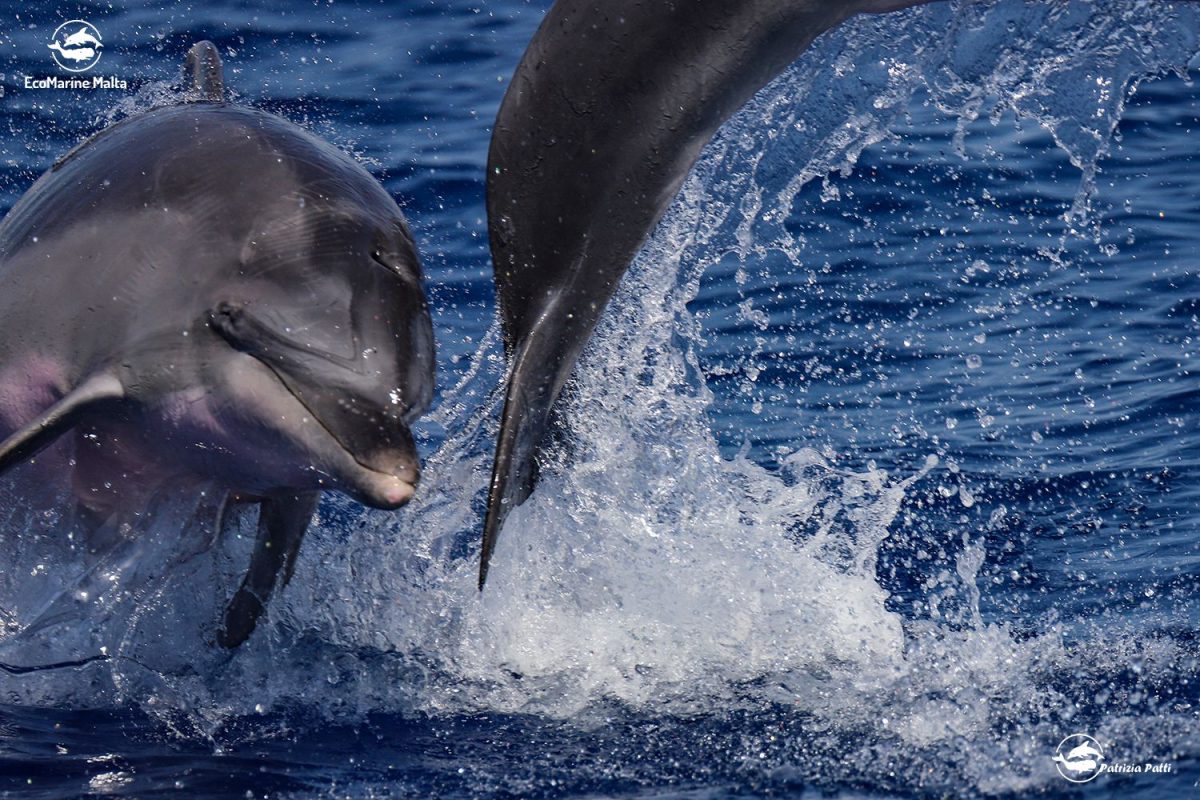
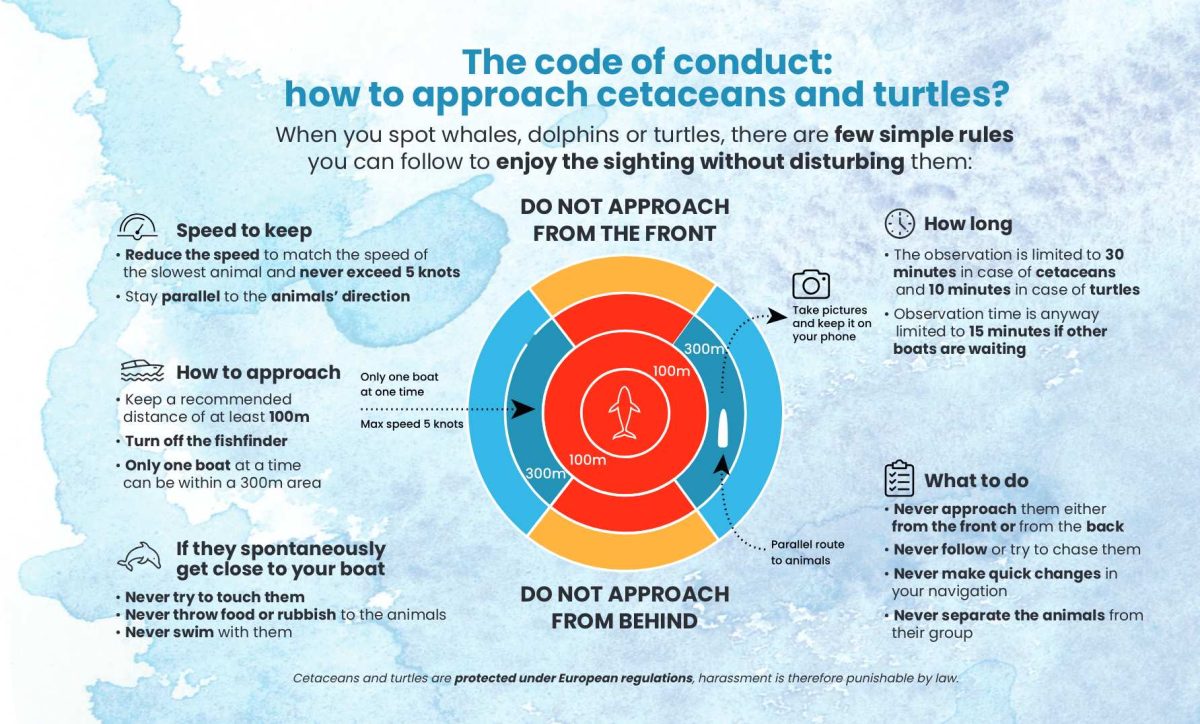
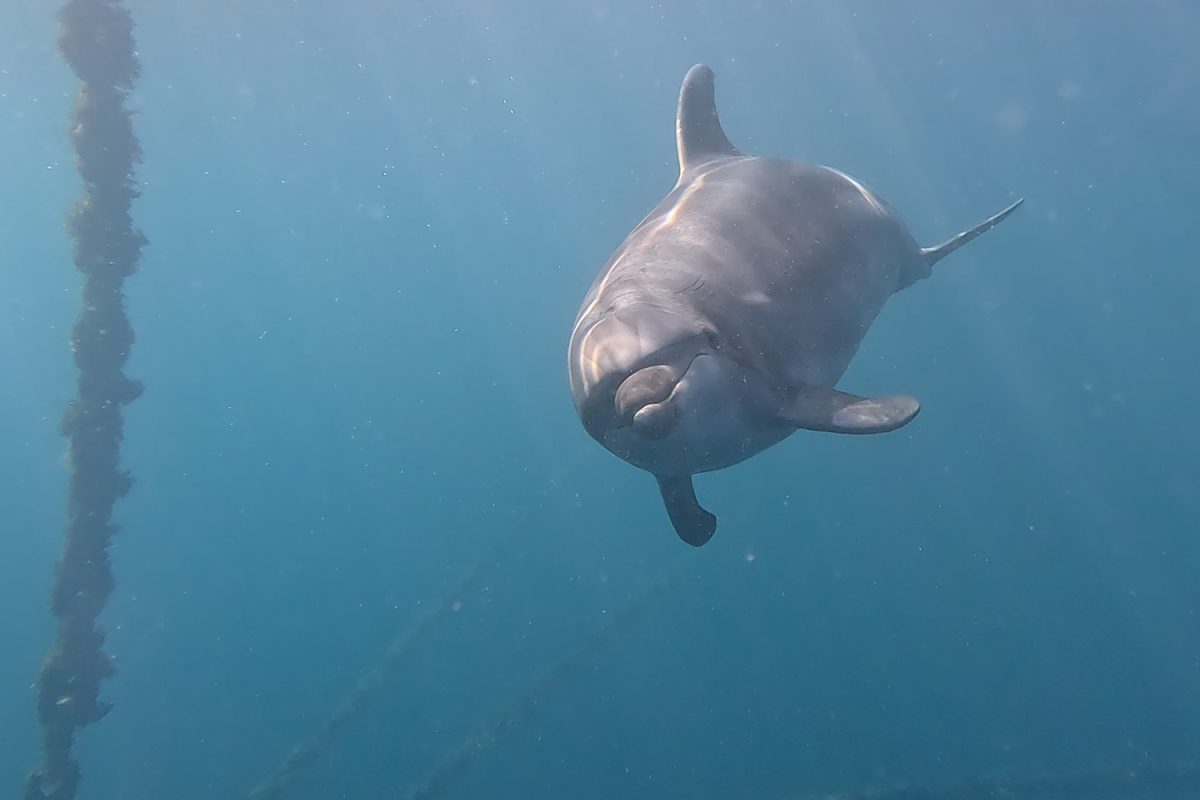
There's a moment that happens on the water off Malta when everything clicks into place. A boat slows to a crawl roughly 300 metres away from a dolphin, approaching from the side rather than head-on. The animal has time to see, hear, and assess the situation calmly. If it perceives no threat, it often chooses to glide closer on its own terms. Passengers witness behavior that feels genuine rather than performative. Nobody needs to be told what's special about it.
This is what responsible dolphin watching actually looks like, and it's become the centerpiece of an unprecedented conservation push in the Mediterranean. Patrizia Patti, a marine biologist who came to Malta and decided to stay, founded EcoMarine Malta nearly a decade ago to study the resident dolphin population. What started as field research has evolved into something far larger: a coalition of 29 organizations, from ranger units to environmental nonprofits to dive operators, all aligned around a single goal. Protect the dolphins. Do it together.
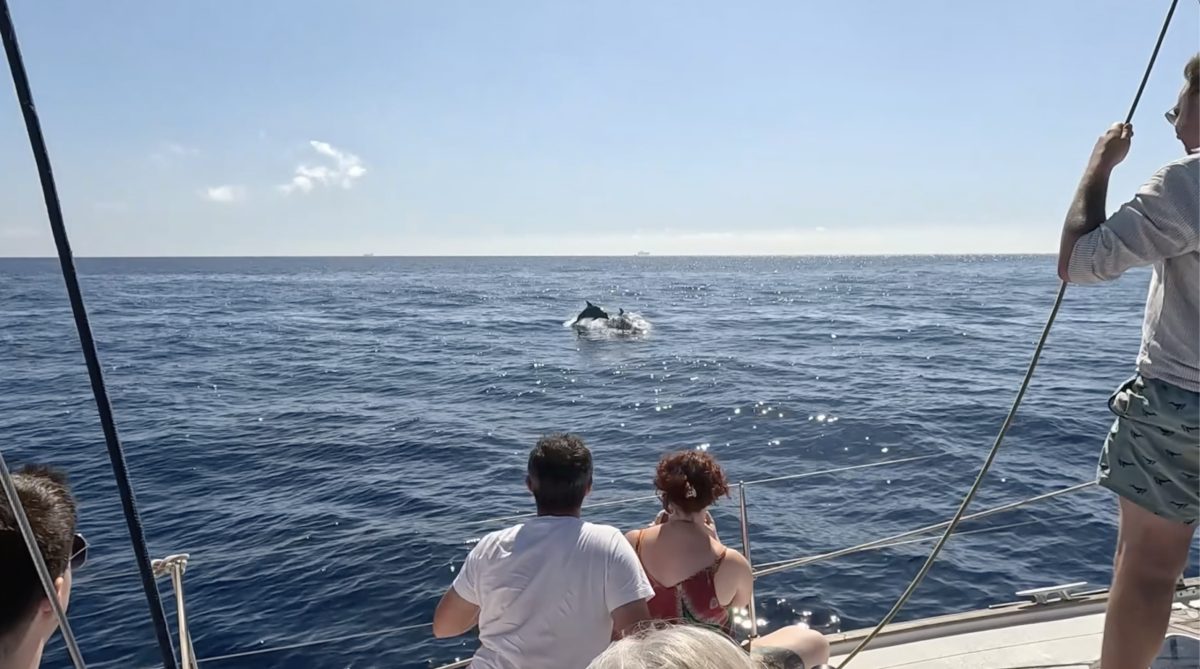
The moment demanding action arrived because Malta's waters are crowded. Boats everywhere. People everywhere. When dolphins surface, enthusiasm kicks in. "Malta doesn't have abundant visible wildlife," Patti explains, "so when dolphins or turtles do appear, people rush toward them." It's rarely malicious. It's almost always ignorance. Nobody wakes up thinking they'll harm a dolphin. They just don't know how.
The science that changed the conversation
Data has a way of cutting through assumptions. Between late 2023 and 2025, EcoMarine Malta deployed underwater acoustic recorders that captured 1,200 hours of dolphin vocalizations independent of boat presence. Paired with nine years of photo-identification data collected during their boat tours, the recordings revealed something crucial: dolphins aren't drifting through. They're resident. Present night and day, fair weather and foul, in a specific zone. That's not a casual observation. That's a scientific hotspot.
The acoustic data also exposed a problem most tourists never consider. Boats create noise. Dolphins use sound to communicate, navigate, and rear calves. Underwater noise doesn't just annoy them. It triggers the same stress response they show around predators, including sharks. For mothers protecting newborns, that's not a minor issue. It's a threat multiplier.
Armed with this evidence, the coalition made specific demands. One stands out: a mandatory speed limit for all vessels in the protection zone to reduce collision risk and underwater noise. Speed limits work. They're not glamorous. They work.
Patti could have positioned herself as the leader of this effort. She didn't. "It's not about who leads the action," she says. "The result is what matters." That deliberate step back mattered. It meant diverse organizations could sign on without egos getting in the way. Ranger units, environmental groups, tourism businesses, government agencies, conservation nonprofits. What united them wasn't ideology. It was genuine care for marine life and respect for the sea.
Guidelines exist. Culture has to catch up.
ACCOBAMS, the Agreement on the Conservation of Cetaceans of the Black Sea, Mediterranean Sea and contiguous Atlantic area, published voluntary guidelines for dolphin encounters long before Patti began her research. They're sensible rules. Approach from the side, not the front or rear. Don't chase. Don't touch. Don't feed. Common sense, really, but common sense isn't common practice.
Malta's Environment and Resources Authority has run awareness campaigns. So has Transport Malta. The message is spreading. Enforcement, though, remains patchy. No laws exist yet. And that brings up a harder question: why do humans need laws to treat animals respectfully?
EcoMarine Malta's answer is to lead by example. Their boat tours don't lecture passengers on what not to do. They show them instead. When the code is followed and dolphins behave naturally, unharrassed and free, something shifts in how people perceive the experience. They often don't ask to go closer. They want to see what happens next. And frequently, dolphins reward that patience by approaching the boat themselves.
Making everyone a guardian
The coalition's statement also called for a formal public reporting system for violations. This turns every visitor into a potential guardian of the sea. Consciousness changes when you know you're being watched and when you know you're watching. The proposal uses escalating warnings rather than jumping straight to fines. Repeat or severe offenders face penalties, but the goal isn't punishment. It's creating better information for better conservation plans.
Government conversations have already shifted. Malta's Environment and Resources Authority has renewed its engagement with the coalition. Operators like EcoMarine Malta continue functioning as eyes on the water, reporting both good and bad behavior. You could compare this to efforts elsewhere. Edinburgh has taxed overnight visitors to manage tourism pressure. Some island nations have cracked sustainable tourism models. Malta is writing its own version, focused on marine life rather than infrastructure or pricing.
What's happening in Malta's waters matters beyond Malta. It proves that tourism and conservation don't have to be at odds. Tour operators can profit while protecting wildlife. Tourists can have unforgettable experiences without causing harm. Scientists can share knowledge with businesses and government agencies and actually get results. It requires patience, cooperation, and a willingness to let go of ego. It requires treating responsibility as something everyone shares rather than something others should enforce.
That's not a small thing. That's the entire future of travel.