What started as a hardline immigration proposal just became a nightmare scenario for anyone planning to fly into the United States. The Department of Homeland Security is considering a radical move: withdrawing customs processing from airports in so-called sanctuary cities and funneling international flights to Republican-leaning alternatives instead.
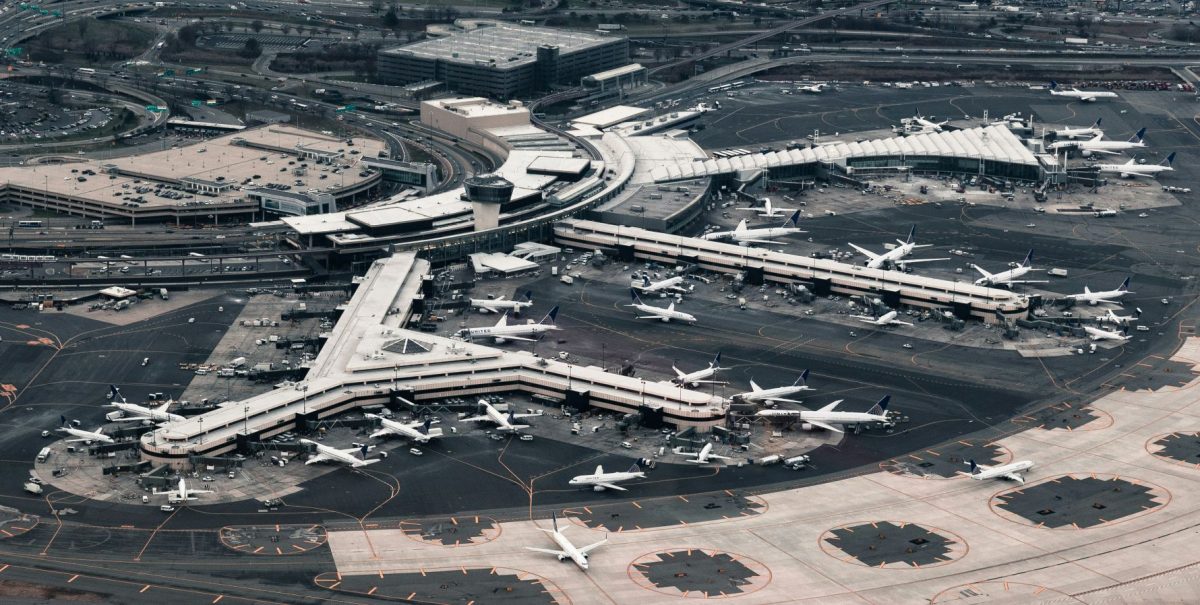
Homeland Security Secretary Markwayne Mullin announced in late May that the Trump administration could pull customs operations for international arrivals and cargo from cities where local governments resist federal immigration enforcement. The threatened locations include Newark, Boston, Chicago, Denver, Los Angeles, Philadelphia, San Francisco, and Seattle. These aren't random picks. Each has seen protests against Immigration and Customs Enforcement operations and declines to fully cooperate with federal immigration policies.
The travel industry exploded. Major airlines, business groups, and tourism organizations issued a joint statement warning that weaponizing customs capacity would unleash chaos across America's air transportation network. Airlines for America, the US Chamber of Commerce, and the National Retail Federation all hammered the proposal as reckless and destabilizing.
How a policy proposal becomes a travel disaster
The math gets ugly fast. Consider a typical international arrival: an American Airlines flight from London Heathrow to New York's JFK. Remove customs capacity at JFK and suddenly that flight needs rerouting. Maybe Dallas Fort Worth. Maybe another hub entirely. But those airports have limited slots and staffing. Passengers miss connections. Cargo piles up waiting for transport. The costs multiply across handling fees, new scheduling arrangements, and passenger disruptions.
With 18 sanctuary city airports at risk and 68 million international passengers annually depending on them, the US Travel Association estimates the broader economy could lose $70 billion. Newark alone accounts for $8 billion in annual tourist spending. Strip customs from that airport and you're not just inconveniencing travelers, you're gutting the hospitality sector that depends on them.
The cascade effect spreads beyond the airports themselves. International aviation networks are tightly woven together, meaning operational failures ripple across the entire system. Schedule a 200-person diversion at one hub and downstream effects hit Dallas, Atlanta, Chicago. Supply chains hiccup. Cargo shipments face delays. The damage compounds.
American travelers face the biggest hit
Here's the bitter irony: US citizens trying to return home would suffer most. As airlines cut flights to major gateway cities, Americans traveling internationally would find their return flights either diverted to distant alternatives or simply canceled. Want to fly back to Boston from Europe? Don't count on landing there anymore. Rebook yourself in Charlotte and drive five hours instead.
This timing is particularly brutal. The FIFA World Cup arrives in weeks, and the US hospitality sector has been banking on that influx of international visitors to offset what the industry calls the "Trump Slump" in inbound travel. Millions of international guests suddenly facing flight disruptions would scar America's reputation as a welcoming destination for years.
What makes this proposal especially troubling is the uncertainty it creates. Nobody knows where the cost burden falls. Will passengers cover new ticket prices for rerouted flights? Will airlines absorb the losses? Who pays for extra staffing at non-sanctuary hubs? Will your World Cup trip even happen as planned?
What happens next
The proposal remains a threat, not law. Industry pushback has been forceful and widespread. But the fact that serious people in the Trump administration are considering it suggests the travel ecosystem needs to prepare for disruption. Booking international flights right now carries new risk. Airlines could be forced to restructure entire networks. Popular routes might disappear. Prices could spike further if airlines operate with reduced capacity and flexibility.
If you're planning to travel to or from the US in the coming months, pay close attention to this story. Flight booking is already complicated and expensive, and a customs chaos scenario would only make it worse. International travelers should build extra buffer time into connections, consider alternative gateways away from sanctuary cities, and watch for updates on whether this proposal advances further.
The fundamental question remains unsettled: can you weaponize airport infrastructure for political purposes without breaking the very system that makes modern travel possible? The travel industry's answer is a resounding no.