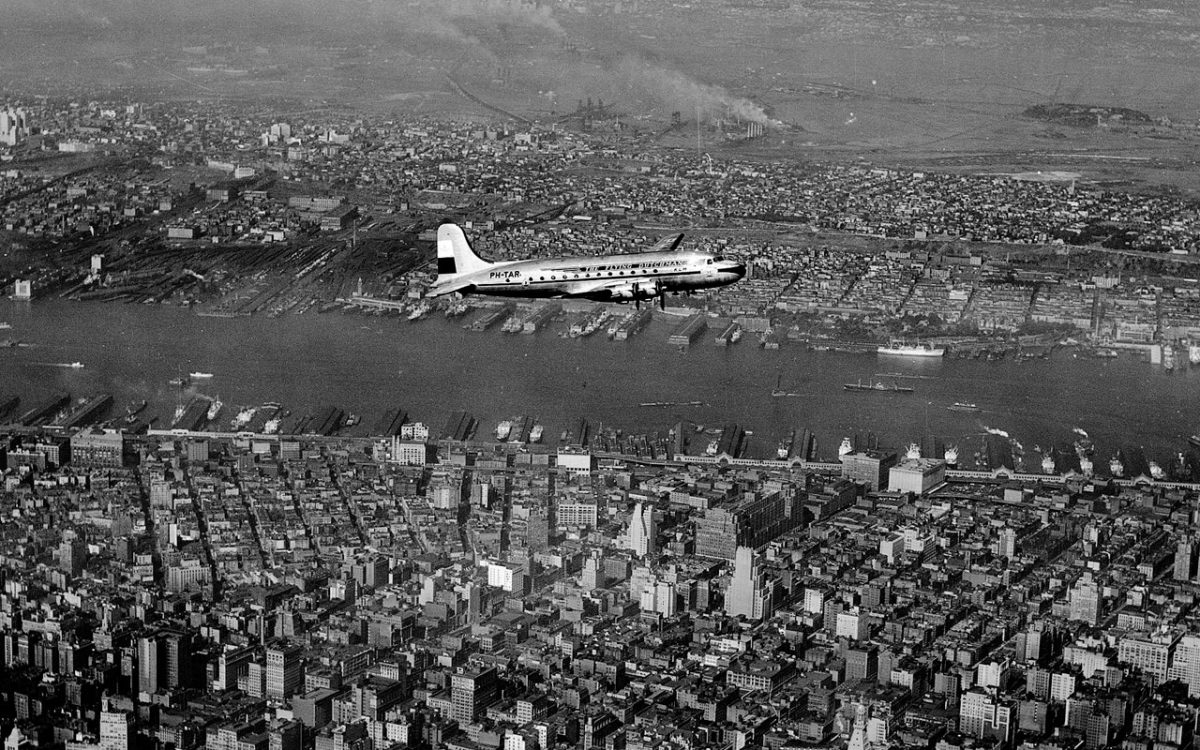
Imagine strapping into a seat aboard a repurposed military aircraft, knowing you're about to spend 25 hours crossing the Atlantic. That's what 32 passengers experienced on May 21, 1946, when KLM launched the first European commercial service connecting Amsterdam and New York. The Douglas C-54 Skymaster, originally built to haul cargo and troops during wartime, had been retrofitted with windows and seats. Among the passengers were the mayors of Amsterdam and Rotterdam, along with crew captain Evert van Dijk, who would guide the plane through refueling stops in Prestwick, Scotland and Gander, Canada.
For a company that had been largely grounded during Nazi occupation, this flight represented more than just a route opening. It was a declaration that Europe was ready to look outward again. KLM, founded after World War I by eight Dutch entrepreneurs and shepherded through expansion by aviation visionary Albert Plesman, had spent the war years watching. The airline's West Indies division managed to keep flying, but the continent remained off-limits. Liberation changed everything. Within months of the war's end, KLM rebuilt its operations and committed to pioneering what seemed impossible: a regular passenger service spanning an ocean.
That Douglas C-54, with its cramped cabin and rattling fuselage, became iconic not because it was comfortable but because it worked. The aircraft remained in service until the late 1950s, symbolizing an era when crossing the Atlantic transformed from wartime necessity to civilian privilege. The plane itself, painted in that original PH-TAR livery, now sits restored at Amsterdam's Aviodome aviation museum, where visitors can step inside the cabin and experience what those first travelers endured. It's a humbling reminder of how quickly air travel expectations have changed.
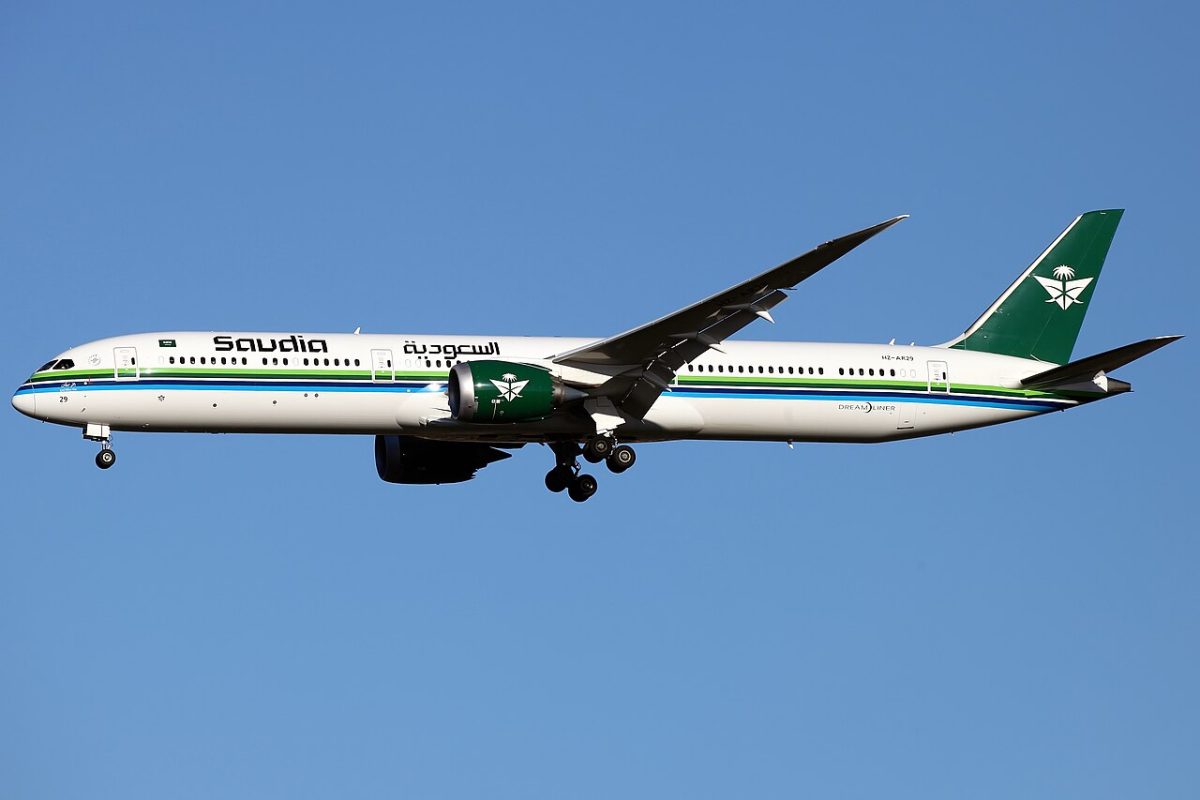
Today's journey bears almost no resemblance to that marathon flight. KLM and Delta Air Lines now operate up to four daily services between Amsterdam and New York, with modern aircraft like the Boeing 787 Dreamliner cutting flight time roughly in half. Last year alone, nearly half a million passengers traveled this route, supported by over 17 million kilograms of cargo. What started as a daring experiment has become essential infrastructure for transatlantic business, tourism, and trade.
The route's evolution mirrors the broader transformation of how Europeans travel long distances. KLM made a crucial decision in 1952 by introducing economy class, a move designed to open flying to ordinary travelers rather than just the wealthy elite. The gesture stuck: King Willem-Alexander, a fully licensed commercial pilot, reportedly worked part-time as a co-pilot for KLM's regional subsidiary Cityhopper for over two decades, famously flying economy alongside regular passengers.
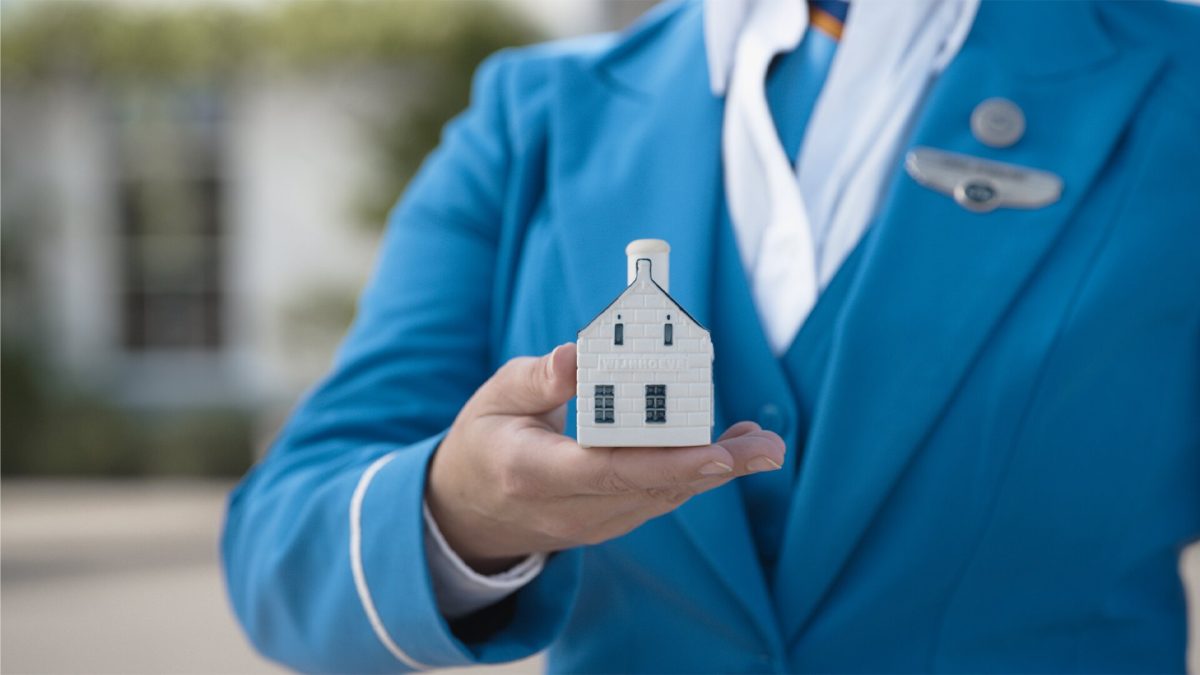
To mark this milestone, KLM is hosting exhibitions on both sides of the Atlantic. The New-York Historical Society in Manhattan displays vintage travel memorabilia and the original china used on those first flights, offering a stark contrast to today's plastic packaging. There's even a limited-edition Delft Blue miniature house modeled on the museum building itself. Meanwhile, the Aviodome's new exhibition, "The PH-TAR and the Journey to the New World," goes deeper, letting visitors board the restored aircraft and sit where history was made.
KLM CEO Marjan Rintel reflected on what this route has meant: "What began in 1946 as a groundbreaking connection has grown into a vital link for business travellers, tourists, and cargo traffic. For decades, this route has supported trade, investment, and cultural exchange." She's right. Those 25 hours in May 1946 didn't just connect two cities. They stitched together two continents that spent the next eight decades building prosperity, culture, and ties that fundamentally reshaped the modern world.
The aircraft flying today are worlds apart from that C-54, equipped with advanced sustainability technologies as Amsterdam pushes harder on climate commitments. But the route's fundamental purpose remains unchanged: bringing people together across distance, making the impossible feel routine, and turning what once took a full day into a morning's commute. That's the real legacy of 80 years.