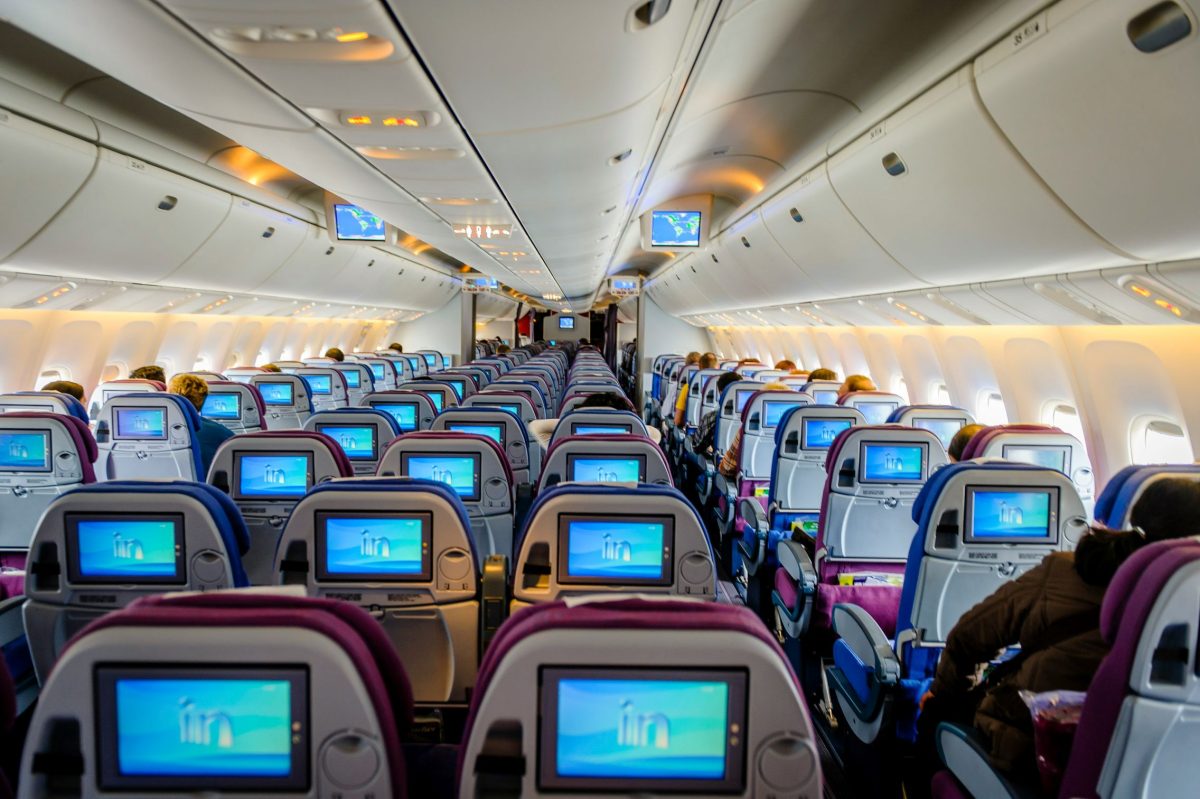
You're settled into your seat, scrolling through the in-flight entertainment menu, when the cabin lights suddenly fade to black. It happens before every takeoff and landing, and most passengers assume it's meant to help them relax or drift off. Wrong. That darkness is pure survival strategy.
Takeoff and landing are when things go wrong most often. Flying is statistically safer than driving, but these two phases demand extra vigilance from everyone on board. Airlines dim the lights because human eyes need time to adjust from brightness to darkness, a process that takes several minutes. Here's why that matters: if an emergency evacuation becomes necessary, passengers whose eyes have already adapted to the dark can spot exit signs, floor lighting, and escape routes immediately. The clock is brutal. Aviation authorities require planes to be evacuated completely in 90 seconds, even when half the emergency exits are unusable. Those extra minutes of eye adjustment beforehand could cost lives.
Learning from disaster
This procedure didn't come from guesswork. It came from hard lessons learned after aircraft accidents over the decades. Investigators studying emergency evacuations found that darkness, smoke, and panic created a deadly combination. Passengers couldn't locate exits fast enough. That research sparked a cascade of safety improvements: illuminated floor path markers, better-lit emergency exit signs, and this practice of dimming cabin lights before critical flight phases. Each piece builds on the last.
The darker cabin also gives your flight crew superpowers, in a sense. With fewer glare reflections bouncing off the windows, flight attendants can see outside the aircraft far more clearly. They spot problems instantly that might otherwise go unnoticed: smoke, fire, engine damage, debris from a bird strike. If the aircraft suddenly loses electrical power and plunges into darkness, a cabin crew trained to navigate the dimmed space can keep passengers moving in an organized, purposeful way rather than descending into chaos.
Why window shades matter too
This safety focus explains another request you hear often: open your window shade before takeoff and landing. Natural light pouring through the windows serves multiple purposes. If the plane loses power, that daylight becomes the cabin's emergency lighting. It also gives crew and passengers a clear view of what's happening outside, making external damage or fire immediately visible. On overnight flights, this request is less common since visibility is already shot, though some airlines still prefer shades open out of caution.
Let's squash some myths while we're here. The dimming isn't about saving electricity. It's not designed to create a soothing pre-flight mood. A minor benefit is that dim cabins reduce glare in the cockpit, helping pilots see runway lights and navigation markers more clearly, but passenger survival has always been the primary driver. Nothing more, nothing less.
Beyond emergency protocols
Cabin lighting does other interesting work during different stages of flight. On long-haul overnight journeys, airlines dim the lights for hours to encourage sleep. Modern aircraft like the Boeing 787 Dreamliner and Airbus A350 go further, equipped with advanced mood lighting systems that shift color throughout your journey. Warm sunset-like tones during early evening help your body wind down. Cool daylight hues appear as you approach your destination, nudging your circadian rhythm toward arrival time and reducing jet lag's grip. These systems transform the cabin into a sleep laboratory designed around your biology.
The next time you fly, that sudden darkening won't feel mysterious anymore. It's not theater or marketing. It's decades of safety research compressed into a simple action: keep passengers ready to evacuate in seconds if the unthinkable happens. Aviation is obsessive about small details because small details save lives.