When the FIFA World Cup kicks off in 2026 across the United States, Canada, and Mexico, the anticipation is real. Fans are planning trips, hotels are preparing for surges, and host cities are dreaming of economic transformation. But new research from Oxford Economics has dropped a sobering reality check: the actual tourism bounce will be far more modest than organizers have promised.
All 11 American host cities will see above-average growth in leisure and hospitality sectors, which sounds promising until you dig deeper. The gains are expected to be temporary and relatively small, partly because no significant new stadiums or infrastructure have been built for this tournament, unlike in previous World Cups held in Germany, South Africa, Brazil, Russia, and Qatar.
Which cities will actually benefit most
The picture changes dramatically depending on where you look. Smaller metropolitan areas stand to gain the most employment opportunities. Kansas City, San Jose, Atlanta, Houston, and Los Angeles are forecast to see the strongest job creation. Meanwhile, established tourism powerhouses like New York, Miami, and Seattle will experience only minimal employment growth because they already pull massive numbers of international visitors year-round. For these cities, World Cup visitors simply replace tourists who would have come anyway.
When measuring GDP growth, Houston, New York, San Jose, Seattle, and Dallas lead the pack. But here's the catch: these gains are expected to spike during the tournament and flatten almost immediately after the final whistle blows. History backs this up. During the 1994 World Cup hosted in the United States, only Boston, San Jose, Washington, and New York saw meaningful leisure and hospitality job growth that year. Most other host cities saw similar or higher gains in 1995, suggesting the strong overall economy deserved more credit than the tournament itself.
The headwinds nobody predicted
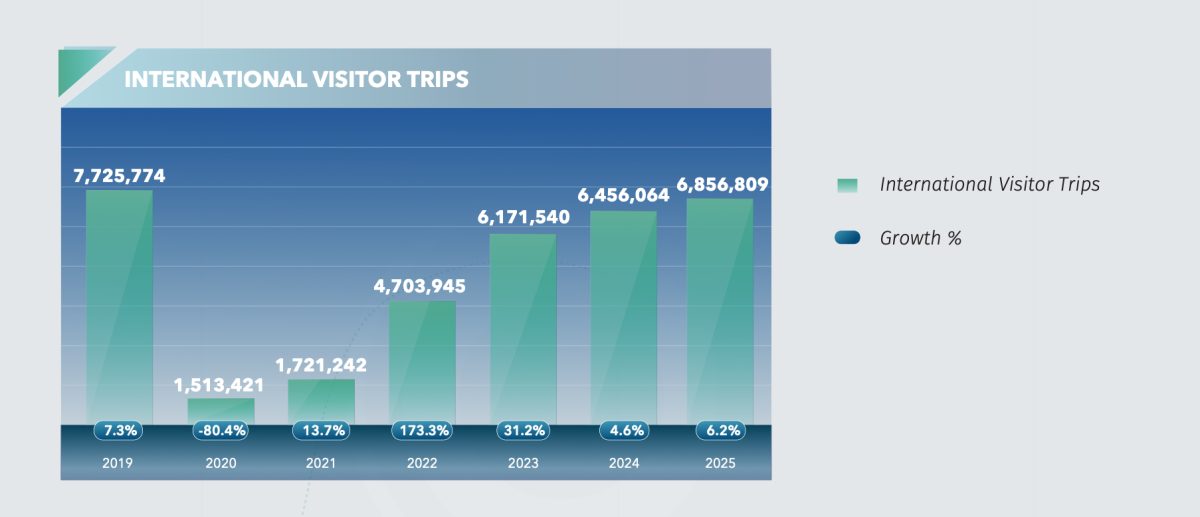
International travel demand has already started showing weakness that wasn't in the original economic forecasts. Spending by international visitors dropped 2 percent in 2025, while Canadian visitor spending contracted by 20 percent. For Seattle especially, this is a major problem. Nearly two-thirds of its inbound international tourism comes from Canada, and Canadian visitor numbers have fallen 33 percent with little recovery expected.
Back in March 2025, the World Economic Forum cited projections of $40.9 billion in global GDP impact and the creation of 824,000 full-time jobs worldwide. Those eye-catching figures, however, were produced during a very different economic moment and geopolitical climate. Most travel experts now see those numbers as overly optimistic.
Uneven demand across the three nations
Demand for World Cup travel is rising unevenly across the host countries. Mexico is experiencing the sharpest increase in interest, while Canada is seeing steadier growth. Cities like Boston, Mexico City, and Vancouver are attracting the strongest increases in travel searches and bookings. Air connectivity, domestic tourism flows, hotel capacity, and local transportation infrastructure will ultimately determine which cities emerge as the real economic winners.
There's another crucial factor: most jobs created around major sporting events are temporary and barely show up in annual employment statistics. Workers hired for the tournament period typically return to unemployment once the matches end. Tourism policies that focus on sustainable growth have shown better long-term results than betting everything on a single mega-event.
That said, Oxford Economics and the WEF both note that not all economic benefits appear on GDP spreadsheets or employment reports. Supporters will pump temporary spending into hotels, restaurants, and retail, especially as their favorite teams advance deeper into the tournament. Sporting events can generate broader community benefits and international visibility when local conditions align properly. But for travelers planning their 2026 World Cup adventure, the real appeal isn't the economic impact statistics. It's the chance to witness one of sports' greatest spectacles alongside passionate fans from around the world. That magic doesn't need a financial forecast to be worth the trip.