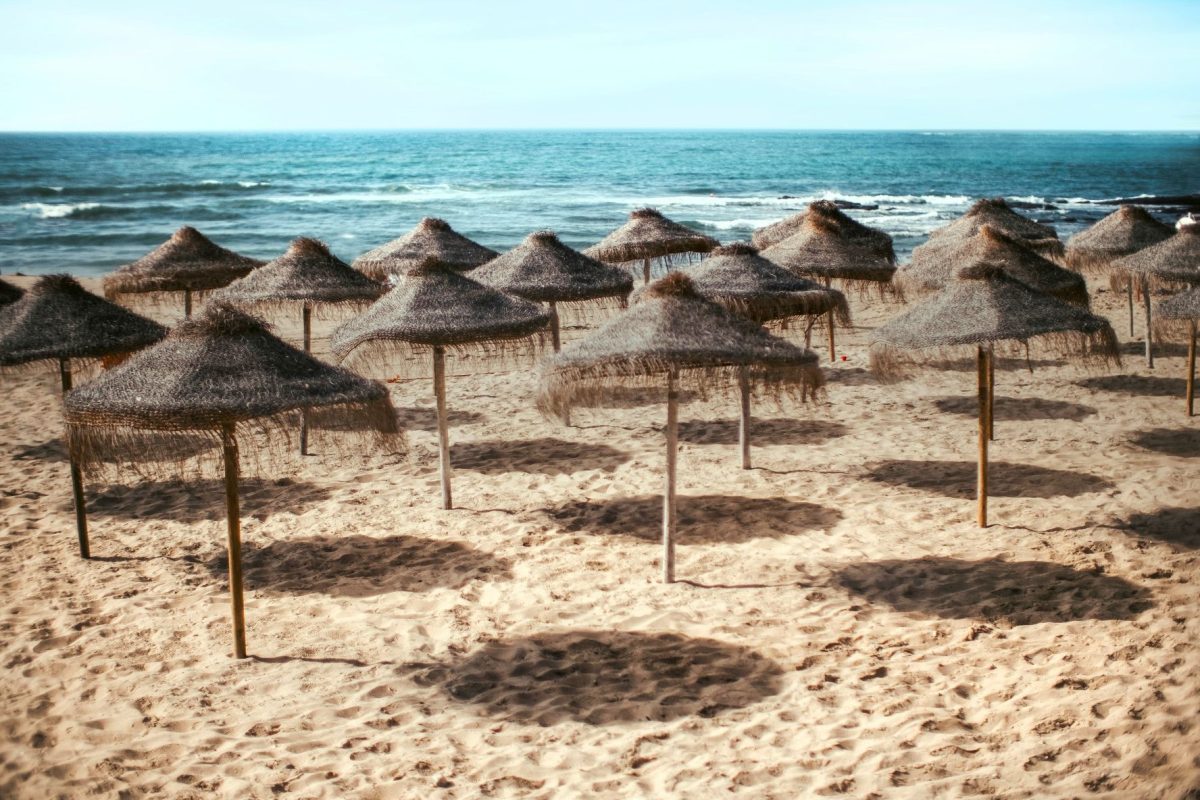
Imagine packing your beach bag, arriving at the sand with your own umbrella, and being told you can't use it. That scenario has frustrated countless visitors to Portugal's most popular beaches, often creating awkward (and unnecessary) conflicts. This summer, a straightforward solution is rolling out across the Algarve and Alentejo coast: color-coded zone maps posted at beach entrances that tell you exactly where you stand.
The confusion runs surprisingly deep. For years, travelers assumed they could only plant their own umbrella in designated free areas, or else they had to rent one from a beach vendor. Nobody actually passed a law requiring rentals. But the misconception stuck around, and beach concession holders sometimes enforced it anyway. When José Pimenta Machado, president of Portugal's Environmental Protection Agency, called this practice "an abuse," it sparked a national conversation. Even official government guidance didn't clear things up. So Portugal's Minister for Environment and Energy, Maria da Graça Carvalho, decided to cut through the noise with maps.
Each map divides the beach into four zones. Concession areas are where businesses operate loungers and umbrellas for rent (capped at 30% of usable beach space). Circulation zones keep pathways clear so people can actually move around safely. Safety areas stay reserved for emergency access and lifeguard operations. Everything else belongs to the public. Bring your own umbrella, beach tent, or a towel and call it home. The layouts differ from beach to beach, so every location gets its own custom diagram.
This tidier system arrives as Portugal welcomes nearly 30 million international visitors annually, with numbers climbing each year. The country has become a heavyweight on the European tourism circuit, and peak summer months pack the sands shoulder to shoulder. Like other popular destinations grappling with overtourism, Portugal is trying to manage the crush without killing the vibe. Clearer beach organization is part of a broader push to encourage travelers to explore lesser-known coastal towns and extend visits outside the traditional summer peak.
The Algarve and Alentejo regions are the test zones. The Algarve delivers those postcard-ready golden cliffs, long stretches of sand, and protected nature reserves like Ria Formosa. Alentejo offers a quieter alternative, drawing travelers who want fewer crowds and more breathing room. Both regions attract domestic and international visitors in waves each summer, and both have seen tempers flare over parking spots and umbrella placement. The maps won't change the actual rules, but they remove the guessing game that breeds conflict.
Municipalities are responsible for creating the maps before installation. Each one needs approval from both the Environmental Protection Agency and the Maritime Authority before it goes up. The government is pushing local authorities to get them in place as soon as possible since bathing season is already underway. Mayors support the move, according to Carvalho, because they're tired of fielding complaints from frustrated beachgoers.
For travelers, this is purely good news. No new restrictions. No surprise rules. Your right to bring your own umbrella hasn't changed. You'll just know where to put it before you claim your spot. That simple clarity makes the difference between a stressful arrival and a smooth start to your beach day. If you're heading to Portugal's southern coast this summer, look for those diagrams at the gate. They're designed with you in mind.