If you're flying into Brussels this summer, arrive at the airport with patience and a good book. The capital's main hub is facing a perfect storm of border control bottlenecks that officials are now openly calling unsustainable.
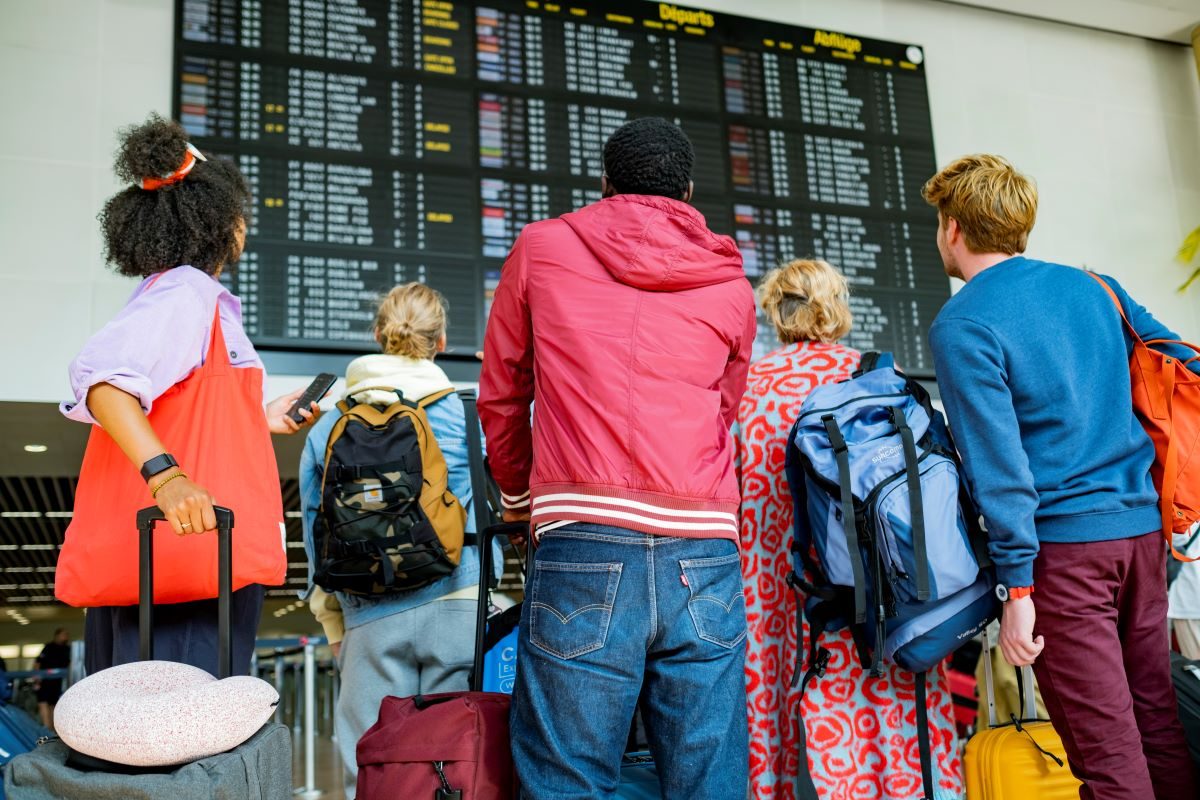
CEO Arnaud Feist pulled no punches during the airport's May results presentation, describing the situation as heading toward "absolute chaos" without urgent action. Passengers arriving at Brussels are already queuing for two hours or more just to clear immigration, and that's before the peak summer travel season hits. For a major European gateway, this is far from acceptable.
Why queues are spiraling out of control
The culprit is the EU's new Entry/Exit System (EES), a digital border control setup now rolling across 29 countries in the Schengen Area. Instead of the quick stamp in your passport, non-EU travelers now need to provide fingerprints, facial scans, and detailed passport information at a biometric kiosk. It's more secure, yes. It's also slower. Much slower.
The system processes digital data on-site, which takes considerably longer than traditional checks. When operators tested it during winter months, waiting times already hit 90 minutes on busy days. Now that the system is mandatory across the board, officials worry congestion could become genuinely dangerous. Feist highlighted a real but often overlooked problem: overcrowded holding areas pose health risks. If a passenger falls ill while crammed into a queue for hours, airport staff struggle to respond quickly.
There's also a staffing crisis. Federal police handling border control are short 25% of their required staff levels. Those officers are working flat out with inadequate resources, yet passengers and politicians blame them for delays beyond their control. The airport has been warning about this bottleneck for years.
What Belgium is doing about it
Interior Minister Bernard Quintin and Migration Minister Anneleen Van Bossuyt acknowledged the crisis and made a tactical decision: they've temporarily suspended full biometric registration requirements for the EES in Belgium. That buys some breathing room, though enhanced checks for non-EU travelers remain in place at Brussels Airport.
For the summer push, officials are rolling out several fixes. Automated e-gates will see wider deployment to speed processing for non-EU passengers. Some EU countries, including Portugal and Sweden, are testing mobile apps that let travelers pre-register EES data before arrival, cutting down border queue time significantly. The European Commission has signaled that temporary flexibility measures could stay in place until September 2026, softening the blow on airport operations across the continent.
The bigger picture
The EES itself is working. Since rolling out, it has tracked 52 million border crossings, identified nearly 700 security risks, and blocked entry to more than 27,000 people who posed concerns. For border security, it's doing exactly what it was designed to do. The problem is the infrastructure wasn't ready for the volume.
For travelers, the message is clear: if you're heading to Belgium this summer, budget extra time at the airport. Check-in earlier than usual. And if you're frustrated by queues, direct your energy toward advocating for adequate border staffing rather than blaming the officers themselves. Brussels Airport is dealing with multiple operational challenges simultaneously, and the summer season will test whether these temporary fixes hold or whether chaos actually arrives at the gates.