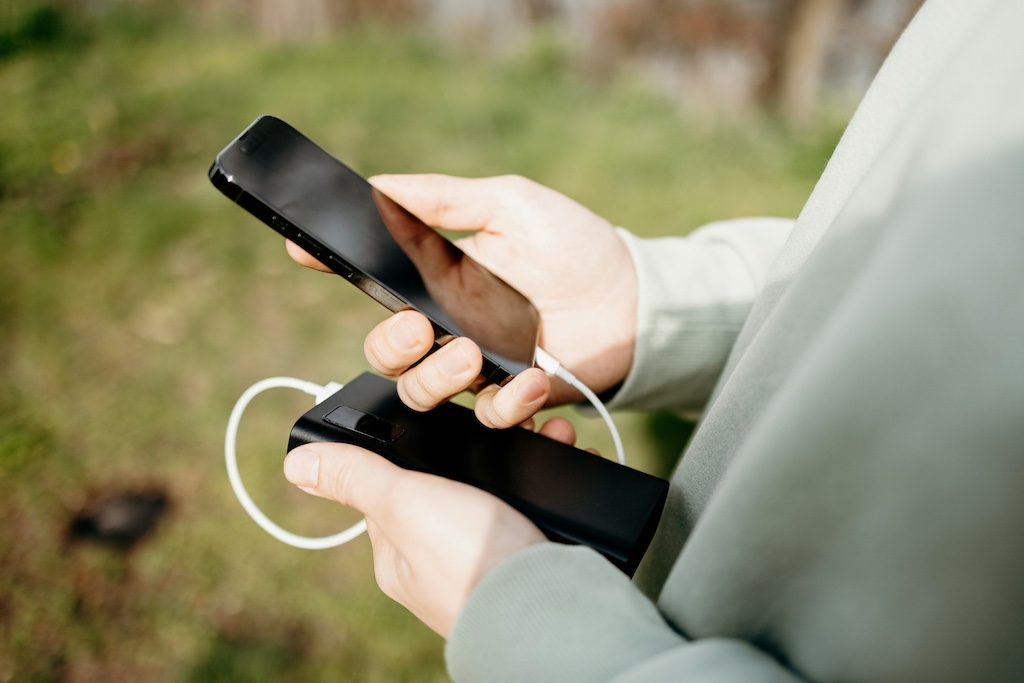
You probably threw your power bank into your checked suitcase without a second thought. The UK Civil Aviation Authority would like a word about that.
The regulator has just labeled lithium batteries the single biggest safety threat facing commercial aircraft, and the numbers are genuinely alarming. In 2024, authorities logged 316 aviation incidents involving lithium battery devices found in hold baggage. By 2025, that figure nearly doubled to 643 incidents. These aren't close calls or near-misses. These are real events that disrupted flights and put passengers at risk.
Here's the physics problem nobody talks about: when a lithium battery overheats, it doesn't just get warm. It enters something called "thermal runaway," a chemical chain reaction where excess internal heat triggers exothermic reactions that generate even more heat, faster and faster. In a checked baggage hold where nobody can see it, this becomes an uncontrollable fire that could spread rapidly. Release toxic gases. Explode. The consequences in a sealed cargo hold are, frankly, catastrophic.
What's Actually Causing These Fires
Your innocent everyday gadgets are the culprits. Nearly everyone flies with a mobile phone (92% of travelers), more than half carry laptops (55%), and almost half bring power banks (49%). Add in e-cigarettes and vaping devices, and you've got a tinderbox scenario playing out on hundreds of flights per week.
The batteries themselves don't spontaneously combust. They overheat due to preventable reasons: fast charging at excessive wattages, charging multiple devices at once, poor ventilation during packing, or using aged, damaged, or defective batteries and cables. All of these are things travelers do routinely without thinking twice.
On a packed Airbus A380, you could have thousands of lithium batteries if each passenger brings multiple rechargeable devices. The solution sounds simple: follow the two-device limit per passenger rule, and keep everything in your carry-on where it's visible and monitored. Yet CAA data shows more than one-third of travelers (36%) remain completely unaware of the dangers.
Why This Is Happening Now
The surge in battery incidents coincides with peak summer travel. The UK Civil Aviation Authority has launched a campaign called "Pack Right. Safe Flight" specifically targeting the busiest season, working with major airlines including Virgin and airports like Heathrow to educate passengers before they board.
Giancarlo Buono, the CAA's director of aviation safety, frames it simply: "Flying is by far the safest way to travel, and we want to keep it that way. Pack right for a safe flight, and that means don't put your batteries in your checked bag. Take them into the cabin with you. This simple tip will make your flight safer for you and the other passengers you're flying with."
Tonya Fielding, Head of Security at Heathrow, echoes the urgency. "The risks still aren't fully understood by some travelers," she says, noting that as summer approaches, airlines are working hard to provide clear guidance so passengers can travel with confidence.
What You Need to Do Before Your Next Flight
The rules are straightforward. Any rechargeable device (power banks, phones, laptops, vapes, e-cigarettes, tablets) must go in your carry-on bag. They must meet safety standards, not exceed power limits, and be packed where you can see and easily access them. Packing them incorrectly risks delays or, worse, an in-flight fire.
If your battery is visibly damaged, swollen, or defective, don't bring it on the plane at all. Replace it before traveling. If you must charge devices en route, use only low-wattage chargers and avoid simultaneous charging of multiple items. Keep them in well-ventilated areas, never in sealed pouches or cases.
Over 100 million batteries are being packed incorrectly on flights right now, according to the CAA. That's not a statistic to ignore. It's a reminder that safety on commercial aircraft depends partly on regulations and partly on individual travelers making smart choices about what they pack and where they pack it. Your convenience is never worth putting 300 strangers at risk.