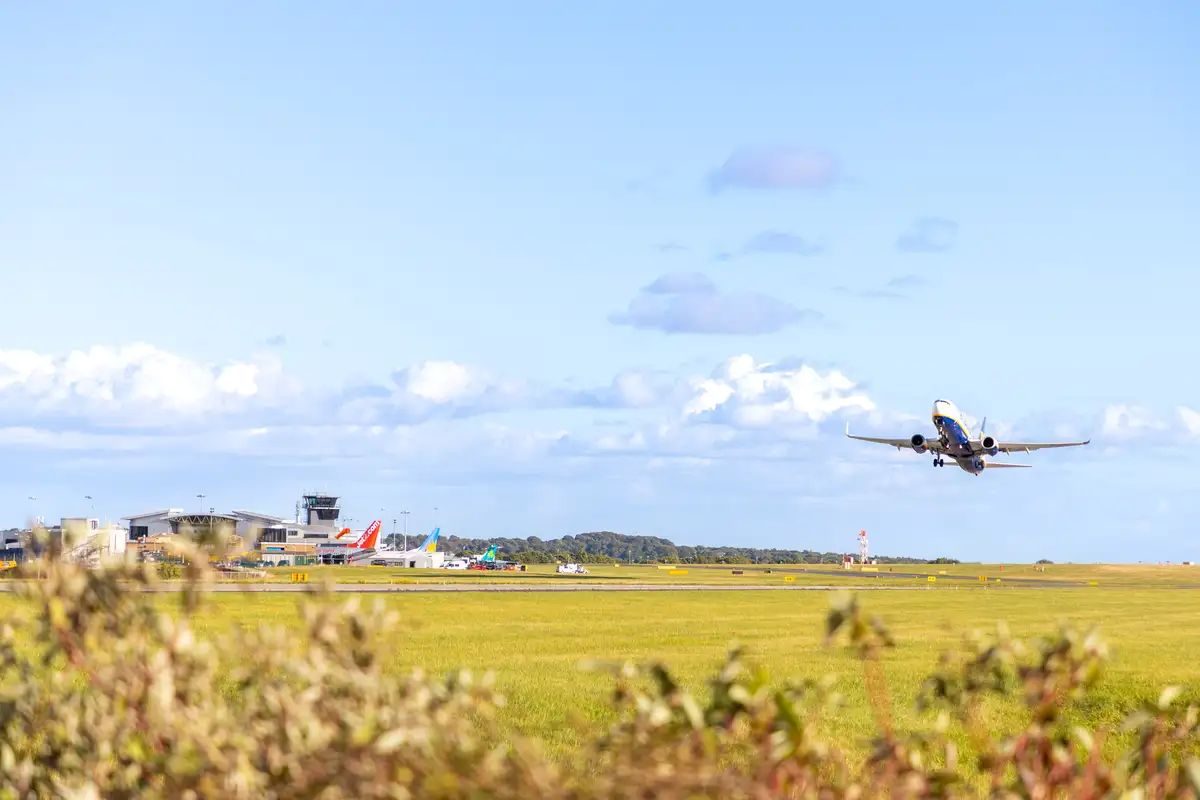
If you're flying through Leeds Bradford Airport in mid-October 2026, you might want to brace for turbulence. Around 130 Unite union members, including air traffic controllers, security officers, and cleaners, are set to walk out for two days, starting at 3:00 am on 16 October and ending at 6:00 pm on 18 October. The union warns the strike will effectively shut down the airport, with no flights able to take off or land and no staff to help passengers in the terminal.
The industrial action is the latest twist in a ten-month dispute over pay and conditions at the regional hub. The previous four-year pay deal ended last December, and Unite says wages have failed to keep pace with those at similar airports. For example, staff at Newcastle Airport, which handled 5.5 million passengers in the same period, earn more for comparable roles. Leeds Bradford, meanwhile, saw a record 4.45 million customers pass through its gates last year, and the airport reported a turnover of £61.5 million (around €70.9 million) for the year ending 31 March 2025, a 14% increase from the previous year.
Unite general secretary Sharon Graham didn't mince words: "Our hardworking members should not be paid less than those doing the same jobs at other airports." The union points to the airport's profitability as proof that it can afford better pay. But the airport authority has hit back, calling its offer "fair and responsible" and "significantly" above inflation. It insists profits are reinvested into the airport and that it will run "near-normal operations" despite the strike.
So who's right? The airport says it can minimize disruption, while the union says the walkout will paralyze operations. That leaves passengers in a frustrating limbo. If you have a booking around those dates, here's what you need to know.
Your Rights as a Passenger
Under UK law, airlines and airports must give passengers at least seven to 14 days' notice of any cancellations. If your flight is canceled, you're entitled to a refund or an alternative booking. Depending on the timing of the alternative flight, you may also be able to claim fixed-sum compensation of up to £350 (around €412). That's a decent chunk of change, but it won't make up for a ruined weekend away.
If you're proactive, check your ticket's terms and conditions, your airline's policy, and your travel insurance. Some policies cover strike-related disruptions, but not all. It's also worth contacting your airline directly to see if they're offering flexible rebooking options ahead of the strike.
What to Do If You're Flying
If your travel dates are flexible, consider moving your flight to avoid the strike window. The airport or airline will likely offer alternatives, but you might have to ask. If you're booked on a flight during the strike, don't wait for the airline to contact you. Reach out now to explore your options.
For those who can't change their plans, prepare for potential delays and cancellations. Pack essentials in your carry-on, have a backup plan for accommodation, and keep your phone charged. It's also a good idea to check the airport's website and social media for updates.
This strike is just one of several labor disputes affecting European travel. If you're flying elsewhere, keep an eye on airBaltic's bankruptcy filing, which serves as a warning shot for European flyers. And if you're heading to Portugal, easyJet cabin crew strikes could disrupt your holiday plans in October and December.
For now, the situation at Leeds Bradford remains uncertain. The airport and union are still in talks, but with the strike date looming, passengers should prepare for the worst. The strike runs from 3:00 am on 16 October to 6:00 pm on 18 October, so if you're flying then, act now. Compensation of up to £350 may be available if your flight is canceled, but you'll need to claim it. And remember, check your travel insurance for strike coverage before you assume you're protected.
Travelers have been through enough this year, from Etna's ash cloud grounding flights in Sicily to measles outbreaks at US airports. The last thing anyone needs is a strike that leaves them stranded. But with a little planning, you can navigate this disruption and keep your travel dreams alive.