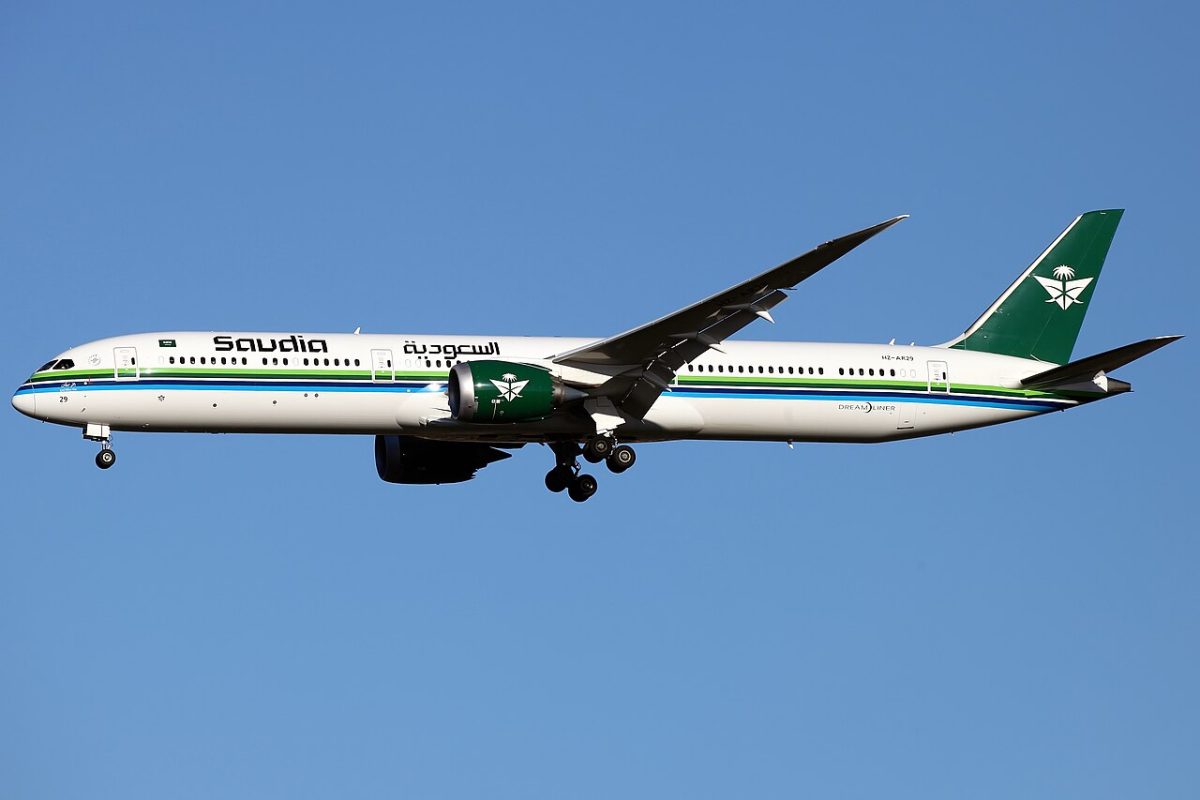
Riyadh's King Khalid International Airport became the scene of chaos on Thursday, 8 October, when an attack set a Saudia passenger jet on fire and killed three Saudi nationals. The aircraft, parked near a terminal, was severely damaged as smoke billowed into the sky. Emergency teams rushed to the scene under the airport's approved response plans, and the injured, including several foreign residents, were taken to hospitals with injuries ranging from minor to serious.
Saudi Arabia's General Authority of Civil Aviation (GACA) confirmed on Friday that two separate attacks had targeted airport facilities and the national carrier's aircraft. The cause of the fire remains unclear. Three people briefed on the incident told Reuters that the plane may have been struck by shrapnel from an intercepted missile or another projectile. No passengers were believed to be on board at the time. The precise origin of the fire has not been officially confirmed, and there has been no announcement about whether the aircraft is a total loss.
The attack has already had a ripple effect on travel. Lufthansa Group suspended Riyadh flights through 16 October, while Air India and Akasa Air cancelled services through 10 October, and IndiGo halted flights through 9 October. An Air India flight from Delhi to Riyadh turned back mid-route. By Thursday afternoon, nearly half of Riyadh's scheduled departures had been cancelled, according to Cirium data cited in reports. Flightradar24 showed the airport closed again on Friday morning, with 124 flights cancelled that day.
By Friday afternoon, Saudi civil aviation authorities said air traffic had returned to normal, and some Middle Eastern airlines resumed services. But the resumption of airport operations doesn't mean all suspended international routes have restarted. Travelers should check with their airlines before heading to the airport.
The attack was claimed by Yemen's Iran-aligned Houthi movement, which said it was responding to Saudi support for Yemen's internationally recognized government. This is not the first time the group has targeted Saudi airports. Previous attacks on Riyadh and Abha airports reportedly killed three people and injured 36 others. The Houthis have threatened further strikes on Saudi airports and energy infrastructure, adding a layer of uncertainty for airlines operating in the region.
For travelers, this is a stark reminder of how quickly geopolitical tensions can disrupt air travel. If you're planning to fly to or from Riyadh, keep an eye on official announcements and be prepared for last-minute changes. And while the situation is specific to Saudi Arabia, it's worth remembering that airport disruptions can happen anywhere, from Brussels to Miami.
The Saudia aircraft fire is a sobering event, but it also highlights the resilience of airport emergency teams and the importance of robust safety protocols. As investigations continue, the travel industry will be watching closely to see how airlines and authorities respond to the ongoing threat.