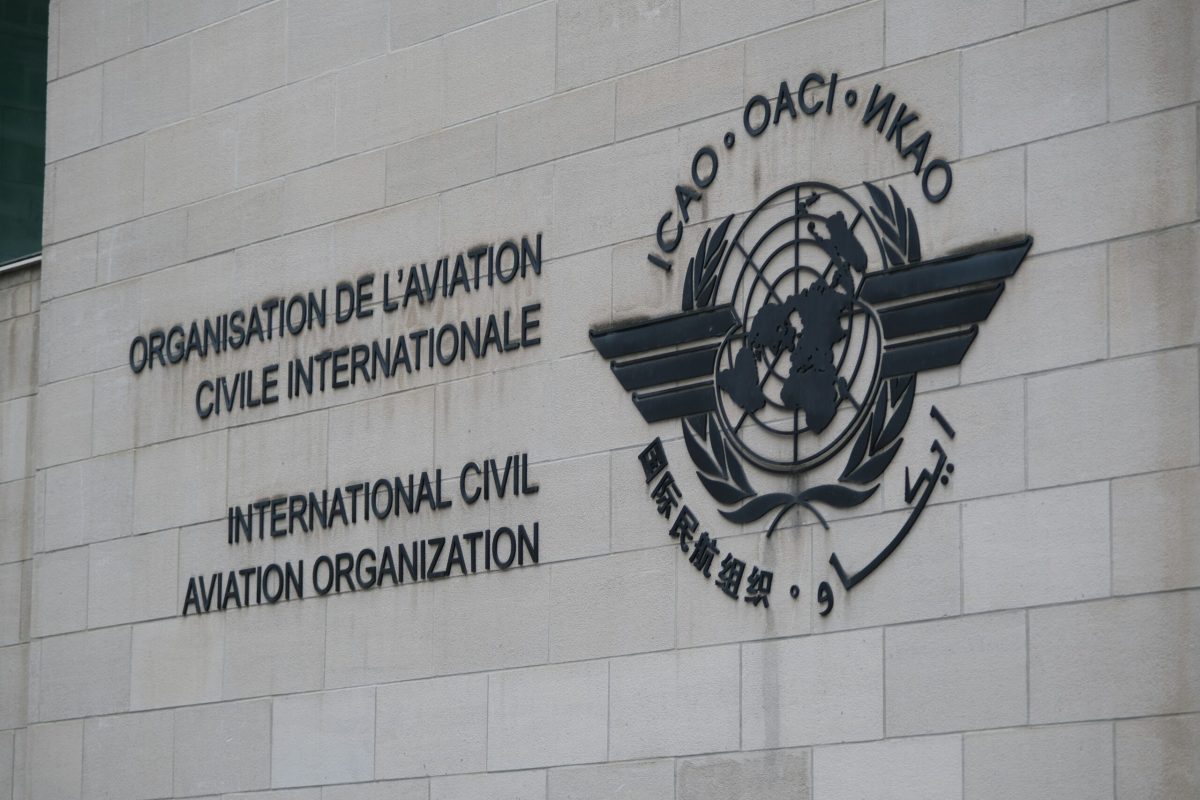
Imagine a sky where planes don't follow invisible highways but instead pick the most direct route between two points, like a bird navigating by instinct. That's the future the United Nations' International Civil Aviation Organization (ICAO) is pushing for, and it could change how you experience air travel.
At a recent gathering in Montreal, ICAO brought together airlines, airports, and air traffic controllers to hammer out a new set of global standards. The goal is simple, to cut delays, reduce emissions, and make flying more predictable. But the details are anything but simple.
What's Actually Changing
The centerpiece is something called Airport Collaborative Decision Making (A-CDM). Instead of each player working in a silo, decisions about when a plane pushes back, which runway it uses, and how it sequences into the flow of traffic would be made together, in real time. The idea is that if everyone shares the same information, the whole system runs smoother.
Another big shift is the move toward free route airspace. Instead of being locked into pre-defined flight paths, pilots would be able to choose the most efficient route for their specific flight. That could mean shorter flying times, less fuel burned, and fewer emissions. It's a concept that's already being tested in parts of Europe, and the early results are promising.
ICAO is also looking at how to safely squeeze more planes into the same airspace. That means reviewing the minimum separation distances between aircraft. If those distances can be reduced without compromising safety, the sky can hold more traffic, which could mean fewer delays on the ground.
Why This Matters for Travelers
For passengers, the most immediate benefit could be fewer delays and cancellations. If airlines and airports are working from the same playbook, they can anticipate problems before they snowball. That's a big deal, especially if you've ever been stuck on a tarmac because of a ripple effect from a storm in another city.
But there's a bigger picture here, too. Aviation is a major contributor to climate change, and the industry is under pressure to clean up its act. ICAO projects that by 2050, international aviation emissions could triple compared to 2015 levels. In the EU alone, aviation accounts for about 4% of total greenhouse gas emissions, and it's the second biggest source of transport emissions after cars. So these reforms aren't just about convenience, they're about survival.
The European Commission has already proposed a review of its emissions trading system, and ICAO is pushing for a global framework. The idea is that if flights are more efficient, they'll burn less fuel, and that's a win for everyone.
What's Next
The talks wrapped up on October 9, 2026, and ICAO says it will update its guidance to member states to help them roll out the new procedures. But don't expect changes overnight. This is a slow-moving industry, and it'll take years for these reforms to become standard practice worldwide.
In the meantime, there are other signs of progress. ICAO's announcement highlights the potential of these reforms, but it's worth remembering that they're still just proposals. The real test will be in the implementation.
If you're a frequent flyer, you might notice some changes sooner rather than later. Some airlines are already experimenting with more flexible routing, and the KLM flight from Amsterdam to Hamburg is a prime example of how these concepts are being tested in real life.
Of course, air traffic control is just one piece of the puzzle. France's air traffic control strikes have been a headache for travelers for years, and these reforms won't solve that overnight. But if they can make the system more resilient, it could help.
For now, the message from ICAO is clear. The future of flight is about working together, using data, and being flexible. It's a vision that could make your next trip a little smoother, and the planet a little healthier. And that's a journey worth taking.