If you thought holiday travel at home got crowded, consider this: China's train system recorded 117 million passenger trips during the five-day May Day holiday in 2026. To put that in perspective, that's more people than the entire population of Japan, all moving by rail in less than a week.
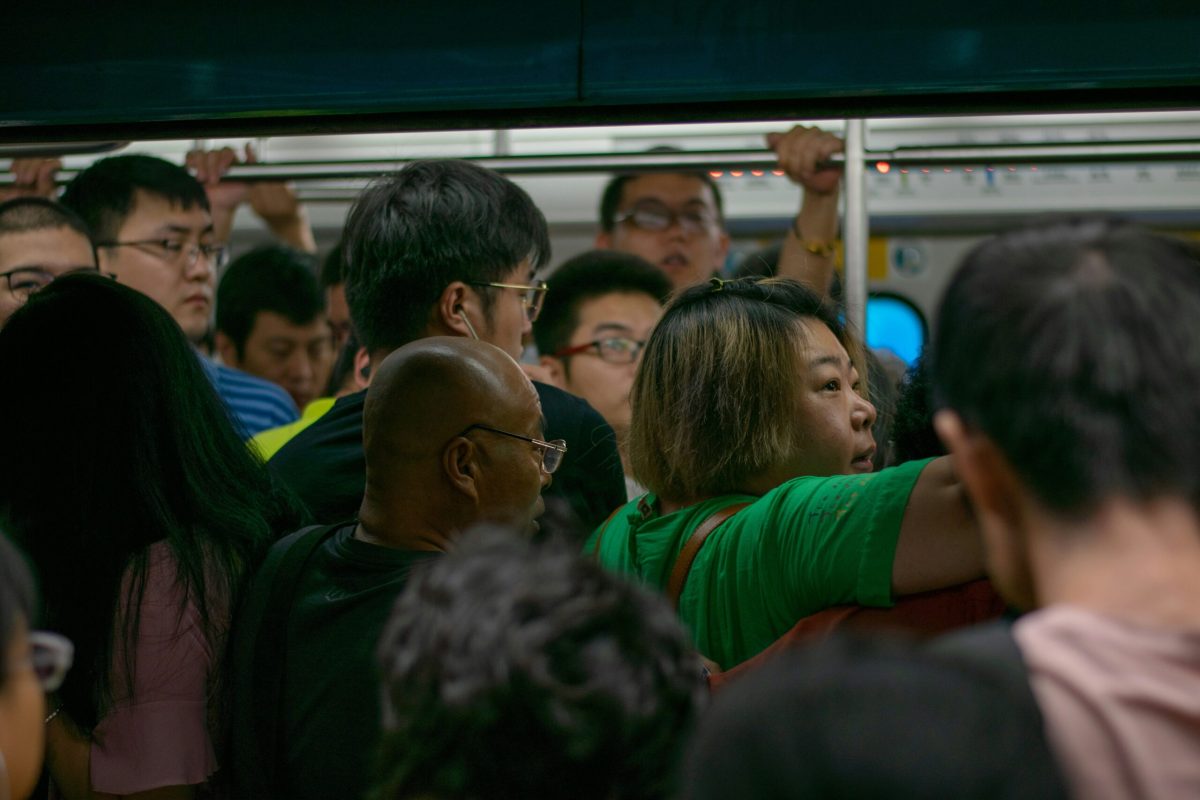
The numbers tell a remarkable story about how modern infrastructure handles mass movement. May 1st alone saw 24.8 million people board trains across China, shattering the previous single-day record. To manage this surge, the state railway scrambled to add 2,070 extra trains just for that day. By the final day of the holiday on May 5th, another 23 million passengers were expected to travel, with an additional 2,225 train services scheduled. The system didn't just survive,it operated smoothly and safely throughout.
The Usual Suspects and Surprising Discoveries
You'd expect Beijing, Shanghai, and Guangzhou to dominate the list, and they did. But alongside these perennial favorites, Chengdu and Shenzhen also drew massive crowds. What's interesting isn't just where people went, but how they're choosing to spend their time once they arrive.
The traditional model of rushing through famous landmarks is fading. Travelers increasingly want immersive, hands-on experiences rather than quick photo ops at crowded monuments. Suzhou's intangible cultural heritage workshops filled up fast. Chengdu's indoor ice-climbing gyms saw surges in bookings. Paper-making classes in Jingxian County and fruit-picking excursions outside major cities became unexpected winners. Even the Jiangsu Football City League drew significant visitor interest.
This shift reflects a broader evolution in how Chinese travelers think about vacation time. They're staying longer, spending more per person, and prioritizing authentic cultural encounters over checking boxes at tourist hotspots. Government policy has actively encouraged this transformation, promoting what officials call "high-quality development" of the cultural and tourism industry.
Beyond the Trains
The railway didn't carry all the holiday travelers. Total cross-regional movement hit 1.52 billion trips during the May Day period, with millions choosing cars, flights, and waterway transport. That scale of movement is worth understanding if you're planning any travel during major Chinese holidays.
Social media gave real-time glimpses of the chaos and excitement. Videos from Shanghai's Bund, Beijing's Forbidden City, and Chongqing's Hongyadong district went viral, showing both the energy and the shoulder-to-shoulder crowds that come with peak travel season in China. If you're considering a trip during these periods, expect lines, packed trains, and accommodations at premium prices.
Planning Your Own Trip
The May Day holiday reveals something crucial for travelers heading to China: timing matters enormously. Major public holidays turn popular destinations into human rivers. If you have flexibility, traveling just before or after official holidays offers dramatically better experiences with shorter waits and more authentic interactions.
The explosion of interest in cultural experiences over sightseeing also suggests a smart travel strategy. Skip the obvious photo locations during peak season and seek out smaller workshops, local food experiences, and regional performances. You'll dodge crowds, spend wisely, and actually connect with the places you're visiting rather than just passing through them.
China's railway system handled this record-breaking May Day season with impressive efficiency, but the real lesson for travelers is simpler: go where others aren't looking, stay longer, and trade bucket-list checkmarks for genuine discovery.