Europe's aviation map is about to get redrawn. Air France-KLM, the continent's largest airline group, plans to shed its dual-brand identity and adopt a new name: The Blue Group. The rebrand is part of a sweeping consolidation strategy that could reshape how you book flights across Europe.
The company has operated under its current name since 2004, when Air France and KLM merged. Back then, executives briefly considered neutral alternatives like French European Airlines, but stuck with the founding names instead. Now, after two decades, that's changing. The pivot reflects a fundamental shift in the group's ambitions and structure.
Why Now? The Consolidation Story
The timing isn't random. Air France-KLM is in the middle of absorbing Scandinavian Airlines (SAS), with regulatory approval expected by the end of 2026. More significantly, the group is also pursuing a takeover of TAP Air Portugal, potentially outbidding rival Lufthansa. Factor in existing stakes in Air Corsica, Kenya Airways, and WestJet, and you're looking at a sprawling multinational operation that doesn't fit neatly under two airline names anymore.
Rising fuel costs, economic pressures, and middle-market competition have turbocharged consolidation across the aviation industry. Like Spirit's Collapse Just Changed the Game for Everyone Who Flies, major structural shifts are reshaping the competitive landscape. A holding company name that transcends national boundaries makes strategic sense.
"It's perfectly logical to hold the discussion about a new name, given that we plan to add new brands to the Air France-KLM Group," a company spokesperson explained. "The current name only reflects our two historical brands."
The Blue Group Explained
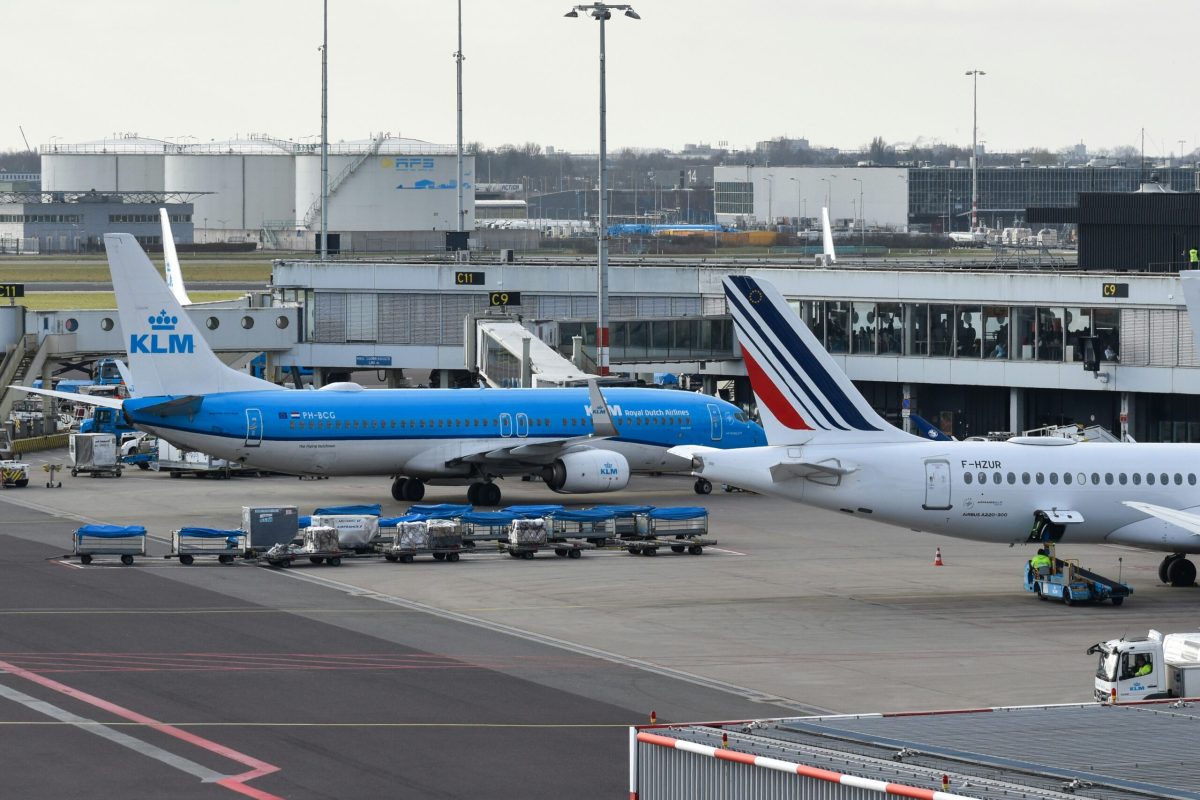
The name "The Blue Group" isn't accidental. Blue already anchors the visual identity of Air France, KLM, and SAS, making it a unifying symbol across the portfolio. CEO Ben Smith backs the rebrand, though some senior managers view it as risky. Insiders describe the name change as "a heavy step," suggesting internal debate over whether dropping Air France from the masthead could dilute brand equity.
The move mirrors what British Airways and Iberia did under International Airlines Group (IAG), creating a neutral corporate umbrella while preserving individual airline brands. The strategy allows sub-brands to operate with distinct identities while answering to a single parent entity.
What This Means for Travelers
For you, the rebrand may feel abstract at first. You'll still book Air France, KLM, SAS, and TAP flights. Nothing changes immediately at the counter or cabin level. But the consolidation driving this name change has real implications for how competition works, which routes get funded, and what frequent-flyer programs might eventually merge.
The bigger wildcard is operational integration. KLM subsidiary AirTrade, a package operator, already moved under Paris-based management. Last year, KLM's chief commercial officer and COO were absorbed into the Paris holding group. Some observers worry that the rebrand signals deeper autonomy losses for Amsterdam-based KLM, traditionally fiercely independent.
There's also the Portugal question. TAP Air Portugal's acquisition has been long negotiated, with Portuguese authorities keen to preserve national interests in any deal. Whether they'll accept a fully integrated "Blue Group" structure remains unclear. A holding company name might ease concerns, or it might become another sticking point in negotiations.
The rebrand, if approved, would formalize a shift already underway. Air France-KLM has been behaving like a true holding company for years, quietly consolidating operations and functions. The new name just makes it official. For travelers, that means smoother connections, potentially more route options, and a more efficiently run network. It also means less competition, which could eventually translate to fewer discounted fares. The wins and losses will balance out differently depending on which routes you typically fly and which airlines you prefer.