
The Middle East conflict has turned aviation upside down. Flight routes are being redrawn, airspace is closing, fuel costs are spiking, and travel operators are cancelling holidays left and right. But before you panic about losing your deposit, there's something important you should know: the UK's Civil Aviation Authority just reminded every travel company in the country that they owe you cash, not vouchers.
Since February 28, when tensions escalated in the region, the domino effect has been impossible to ignore. Airlines aren't just dodging conflict zones themselves. Routes between Europe and Asia are being diverted hundreds of miles out of the way to avoid restricted airspace. These detours mean longer flights, burning extra fuel, which sends costs soaring. Airlines are feeling the squeeze from fuel prices climbing faster than ever. Some routes have become financially unworkable, forcing cancellations to places nowhere near the actual conflict.
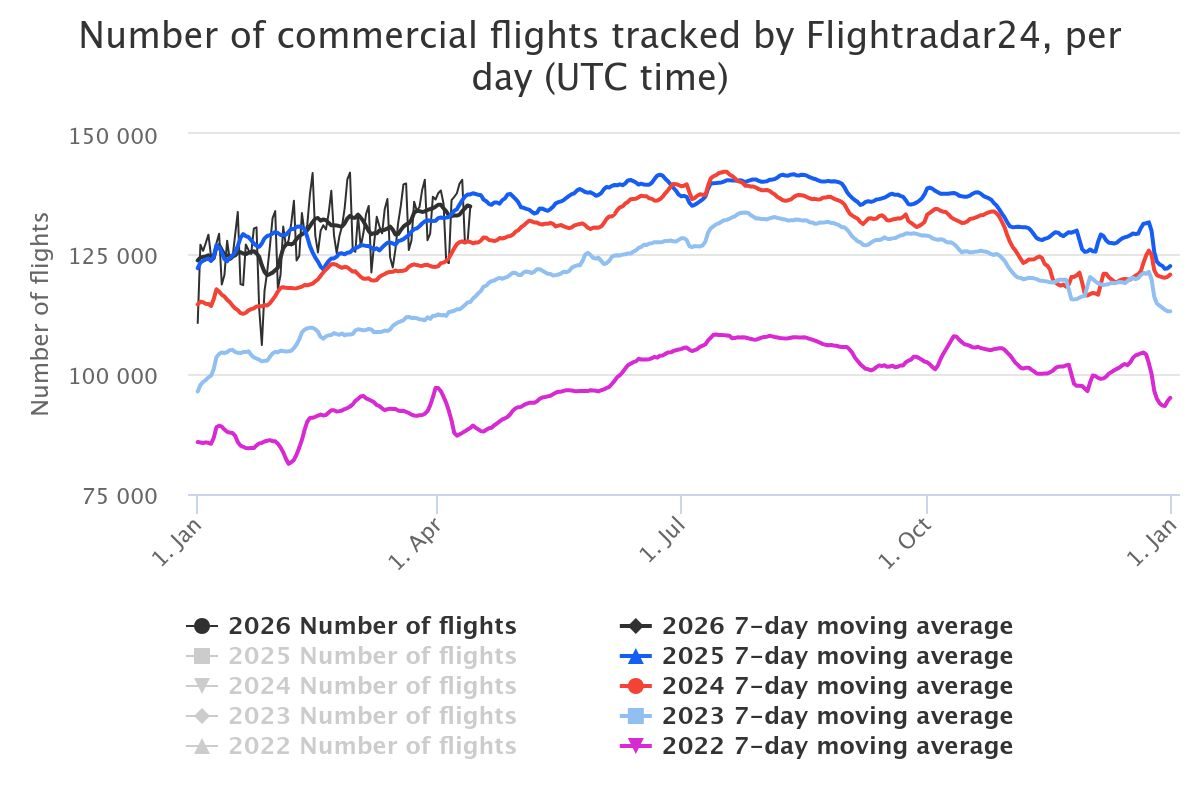
The numbers are staggering. Hundreds of disrupted routes, countless suspended services, and more than 25 airlines gutting their Middle East schedules. If your holiday got caught in this mess, you deserve clarity on where you stand.
Your Right to a Refund, Not a Voucher
Here's the crucial bit that travel companies sometimes gloss over: when a trip gets cancelled due to "unavoidable and extraordinary circumstances" (which definitely includes regional conflict), you have the legal right to a full cash refund. Not a credit note. Not a voucher. Real money, back in your account.
Geoff Wingfield, the ATOL spokesperson at the UK Civil Aviation Authority, put it plainly: "We recognise the challenges that travel companies are facing with the evolving situation in the Middle East. It is important that passengers' holidays are protected." This spring, the CAA reminded all licensed operators of their obligations. If they offer you a voucher instead of cash, they must explicitly tell you that you can refuse it and demand a refund instead. And here's the thing: those vouchers aren't protected by ATOL insurance, so if the company goes bust, your voucher goes with it.
Timeline and Government Travel Advice
The UK Foreign, Commonwealth and Development Office has advised against all but essential travel to the Middle East. That matters legally. If you're holding a package holiday to the region and government advice says don't go, you can cancel your booking without paying any penalty. Period. And you get your money back within 14 days, whether your operator cancelled or you did.
The catch: you need to act decisively. Don't sit around hoping things improve. Check the FCDO website, make your decision, contact your travel company, and follow up in writing. Keep all communications. If they're dragging their heels on that 14-day refund window, that's a breach of the Package Travel and Linked Travel Arrangements Regulations 2018.
What's Actually Protected
Right now, 1,674 UK travel businesses hold an ATOL licence, which is your safety net. Companies like Jet2holidays, TUI, Loveholidays, easyJet Holidays, and On the Beach are all ATOL holders. When you book a package holiday with them, ATOL protects your money. If they collapse, you're covered. If they cancel, you get reimbursed. Interestingly, some regions are seeing a tourism surge as travellers pivot away from the Middle East entirely, but that doesn't help anyone with existing bookings.
Real talk: the aviation industry is under genuine stress right now. Fuel costs are punishing carriers, airports are making dramatic moves, and supply chains are tangled. Travel companies aren't being difficult for the sake of it. But they also can't hide behind "circumstances beyond our control" when it comes to your money.
What You Should Do Right Now
If your booking is affected, first check whether your destination is on the FCDO advice list. Then contact your travel company in writing (email counts) and ask clearly: is my holiday cancelled or amended? If it's cancelled, request a cash refund, not a voucher. Reference the ATOL regulations if they push back. Give them 14 days. If nothing happens, escalate to ATOL itself or consider a chargeback through your bank or credit card company.
Keep receipts, screenshots, and emails. You're not being paranoid; you're being smart. The system is set up to protect you, but only if you know it exists.