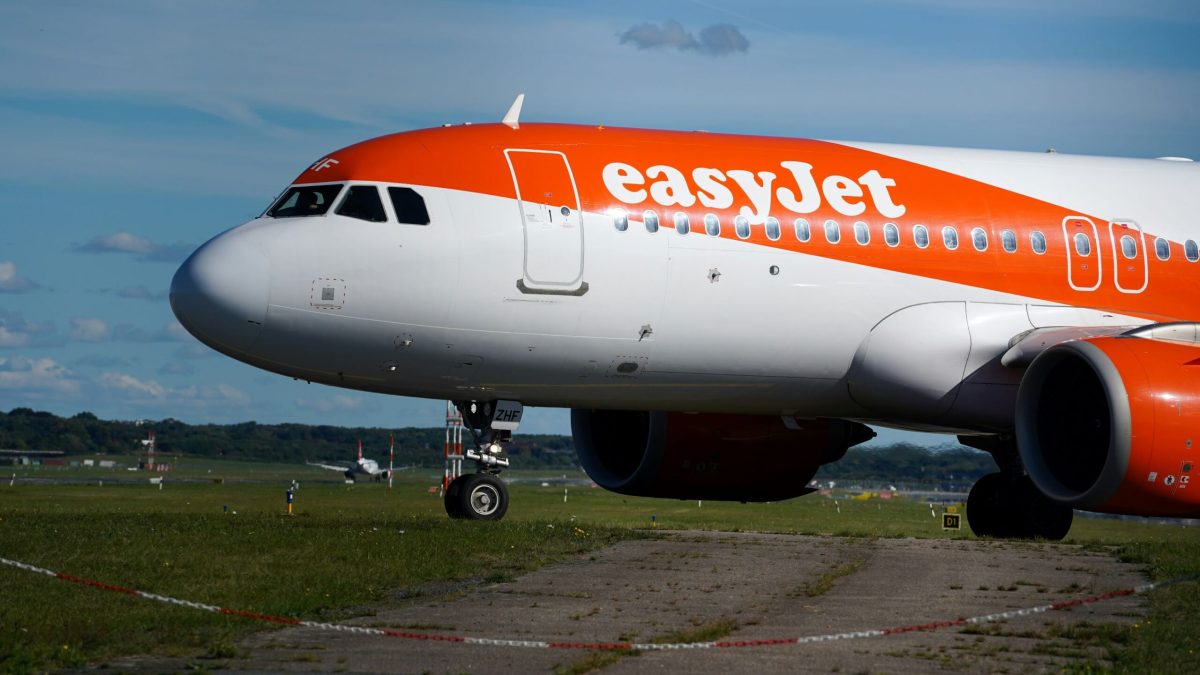
In late May 2026, Italy's antitrust authority opened a formal investigation into easyJet, accusing the airline of pulling travelers' purses tighter with misleading baggage pricing on its website and app. The Autorità Garante della Concorrenza e del Mercato (AGCM) claims easyJet engineered its booking system to make you think baggage costs less than they actually do.
How the Game Works
Here's the trap: when you book a round-trip flight and want to check bags, easyJet pre-selects the "bundled purchase" option. This means the airline automatically adds baggage fees for both legs of your journey, even if you only need to check a bag one way. The catch? The price it shows you first is the average cost across both legs, not the actual price per leg. One-way passengers and those who need bags for just one direction face extra friction: they have to actively interrupt their booking and override the airline's default settings to pay only for what they actually need.
"Only the average price of the service was advertised, and the default option was set to the combined purchase of the service for both legs of the journey, even when the customer was not actually interested," the AGCM explained in its complaint. The watchdog argues this violates Italian consumer protection law on multiple fronts.
Not the First Time Around
This isn't easyJet's debut in the regulatory hot seat. Back in May 2021, the AGCM handed out 2.8 million euros in fines to easyJet, Ryanair, and Volotea for refusing to offer cash refunds when Italy lifted COVID-19 restrictions. Instead, the airlines pushed vouchers on stranded passengers. EasyJet fought back in court but lost that appeal in February 2025.
The budget airline industry's relationship with regulators has grown increasingly strained. Ryanair has faced its own hammering from authorities, most recently receiving a 255 million euro fine in December 2025 for what regulators called an "abusive strategy" against third-party travel agencies. Ryanair allegedly used facial recognition checks, payment blocks, and mass account deletions starting in April 2023 to scare booking sites into avoiding their flights. The Irish airline is contesting the decision.
What Happens Next
EasyJet has stated it will cooperate with the investigation and maintains it operates within the law. "We believe we have always acted in line with applicable consumer laws and remain committed to ensuring transparency and fairness for our customers," a company spokesperson said. The airline added that it would review the AGCM's findings and determine next steps.
For travelers planning trips through Europe, this saga highlights a bigger picture. Budget airlines have built their business model around hidden fees and surprise charges at checkout. When regulators start cracking down on these practices across Europe's travel networks, it could shift the entire game. The AGCM investigation follows an earlier request for voluntary compliance that easyJet apparently ignored, suggesting the airline may have underestimated how seriously Italian authorities take consumer protection.
If Italy's watchdog succeeds, we could see cleaner pricing across the board. Until then, travelers booking with budget carriers need to stay sharp: read every default selection carefully, don't assume any baggage is included, and check exactly what you're paying for before hitting confirm.