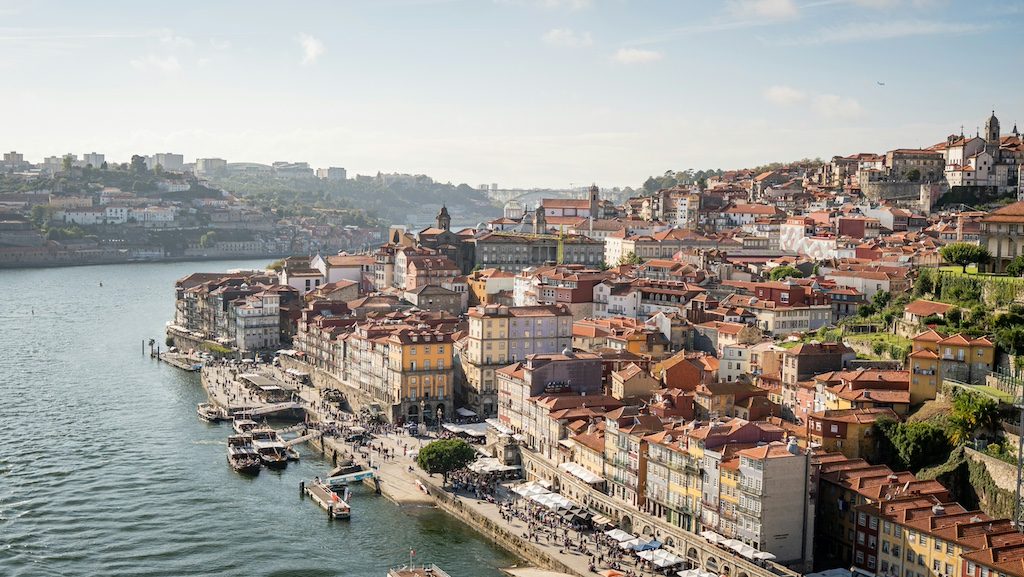
When geopolitics reshapes the travel map, some destinations gain while others lose everything. Right now, Portugal is cashing in on a uncomfortable reality: travelers spooked by Middle East instability are rewriting their vacation plans and pointing their compasses southwest instead.
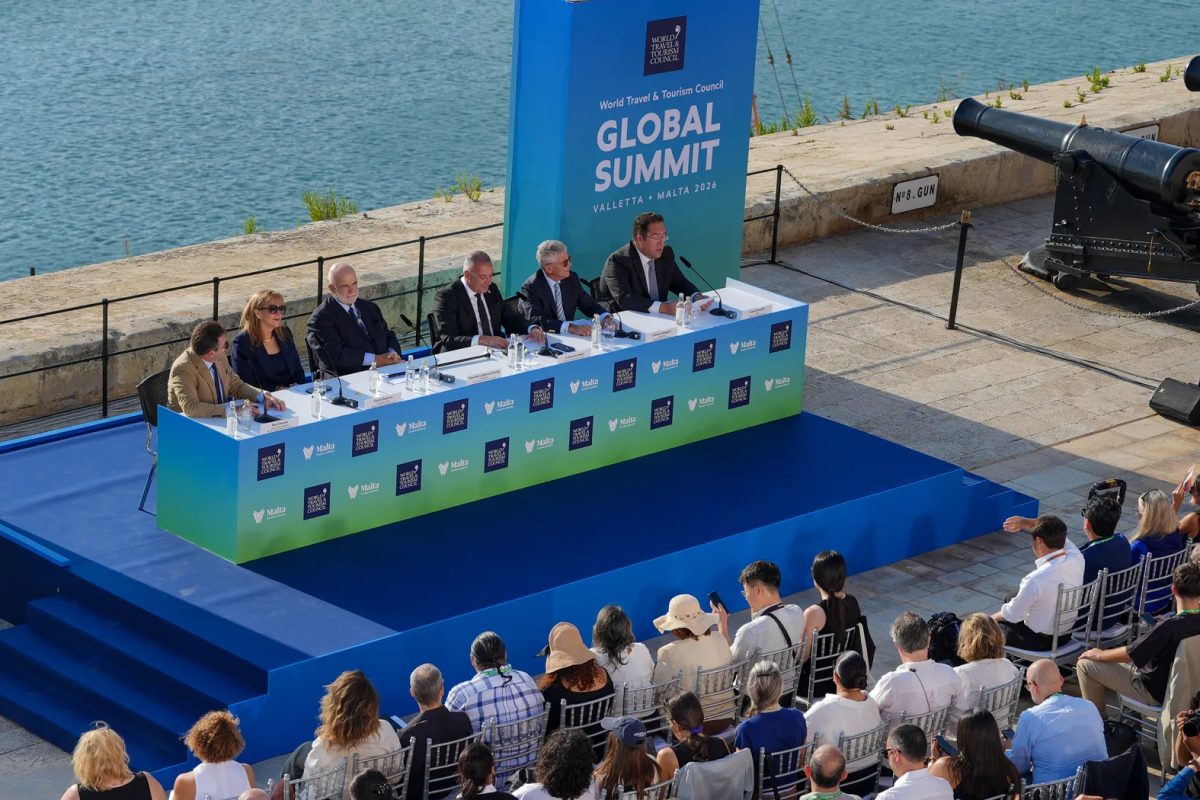
The numbers tell the story. The World Travel and Trade Council estimates the Middle East is hemorrhaging $600 million daily since drone and missile strikes began in late February 2026. Airlines have suspended routes, grounded aircraft, and essentially abandoned the region. Meanwhile, travelers who might have booked Cairo or Dubai are frantically searching for alternatives. Enter Portugal, a short-haul flight from most of Western Europe that requires no detours around hostile airspace.
This shift isn't random. Tourists are deliberately seeking what Portugal offers: warm weather, zero political drama, established hotels and restaurants, and most importantly, a genuine sense of personal safety. The country has spent the last decade building exactly this reputation. You can work remotely from a Lisbon cafe for a month and pay less than a week in Amsterdam. You can island-hop in the Azores without worrying about airline cancellations. You can trust that your hotel booking will actually exist when you arrive.
The numbers are staggering
At the International Hospitality Investment Forum 2026, Portuguese tourism officials revealed jaw-dropping figures. The country just hit €29.1 billion in tourism revenue, powered by 32.5 million visitors and 82.1 million overnight stays. Tourism now represents 12 percent of Portugal's entire GDP. The country ranks fifth in Europe for hotel investment volume. These aren't niche statistics. This is mainstream economic transformation.
Germany alone represents a massive opportunity. Strategic analysis from IPDT Tourism Intelligence suggests Portugal could pull in €500 million from German travelers who might otherwise have chosen Egypt, translating to roughly 300,000 new visitors and 2.4 million extra nights in Portuguese beds. Brits, Dutch, and American travelers are already familiar with the destination, so they're jumping in eagerly. Middle East chaos is sending travelers to Europe instead, and the Iberian Peninsula is catching them.
But there's a shadow side
Here's where the good news gets complicated. Southern Europe is already suffocating under overtourism. Barcelona's residents are protesting tourist saturation. Rental prices in Spanish cities are exploding. Housing shortages are real. Now Portugal risks becoming the next victim of its own success.
Tourism authorities can't simply let everyone pile into Lisbon and the Algarve. The infrastructure doesn't exist, and local residents don't want to become theme park extras in their own country. IPDT is urging intelligent distribution of visitor demand. That means actively steering travelers toward central Portugal's less-explored regions. Towns inland, away from the coast, could use the economic boost without drowning in suitcases.
The real challenge is managing growth without destroying what makes Portugal attractive in the first place. Once a destination becomes overrun, once locals resent tourists, once infrastructure creaks under pressure, the reputation for safety and stability evaporates. Portugal has a narrow window to get this right.
For now, travelers booking Portugal this summer are making a smart bet. They're finding a destination that actually works: flights arrive on time, accommodations range from luxury to budget-friendly, food is excellent, people are genuinely welcoming, and you can still find quiet corners if you venture beyond the usual suspects. The question isn't whether Portugal will keep winning geopolitical roulette. The question is whether it can handle winning.