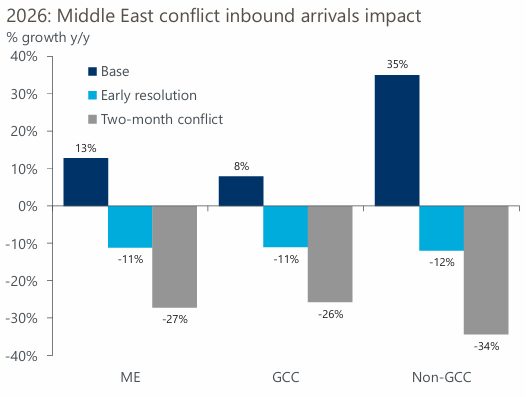
The numbers tell a sobering story. If regional tensions persist, the Middle East could lose 23 million international visitors and approximately $34 billion in tourism spending over the next year, according to forecasts from Tourism Economics and insights from industry analysts tracking the fallout.
This isn't about beaches or landmarks anymore. The crisis exposes something deeper happening in global travel right now: where people go depends less on what's there and more on whether they feel secure getting there.
When Travelers Start Changing Their Minds
Bulut Bağcı, an expert tracking these shifts, pointed out that tourism has survived countless geopolitical shocks over the decades. People keep traveling. They just travel differently. "Travelers shift destinations, airlines, even the type of vacation they take," he explained to Al Jazeera. More than 5,000 flights were cancelled in the first days of the conflict, sending immediate ripples through airports, hotels, airlines, tour operators, and investors across the region.
The projections paint two possible futures. In a best-case scenario with early conflict resolution, the Middle East loses 23 million arrivals. If tensions drag on, that number climbs to 38 million visitors and $56 billion in lost revenue. Either way, the impact reverberates far beyond hotel occupancy rates.
Aviation Takes the Biggest Hit
The Middle East accounts for roughly 14 percent of the world's international transit traffic. It's a critical hub. That means airspace closures don't just disrupt flights to Dubai or Doha. They scramble global travel networks.
Dubai International Airport saw passenger traffic plummet during the first quarter of 2026 as demand weakened. Emirates and other Gulf carriers have become accidental casualties of a conflict they didn't create. Cities like Abu Dhabi that have invested heavily in aviation networks and tourism infrastructure now face a disconnect between what they've built and the confidence travelers feel about using it. When major carriers start pushing flight resumptions back by months, the message to travelers is unmistakable: wait.
Safety Becomes the New Luxury
Here's the pivot that matters. A decade ago, tourism marketing focused on five-star hotels, Michelin-starred restaurants, and Instagram-worthy monuments. That still counts. But now it counts less.
The travelers making decisions in 2026 weigh security, political stability, airport reliability, and visa friction before they think about what the view looks like. A destination offering streamlined visas, dependable infrastructure, and crisis management competence now has real competitive leverage. Bağcı was direct: "Countries that deliver security, facilitate visas, offer strong airports, and maintain political stability will attract more tourists."
Winners Emerging in Unexpected Places
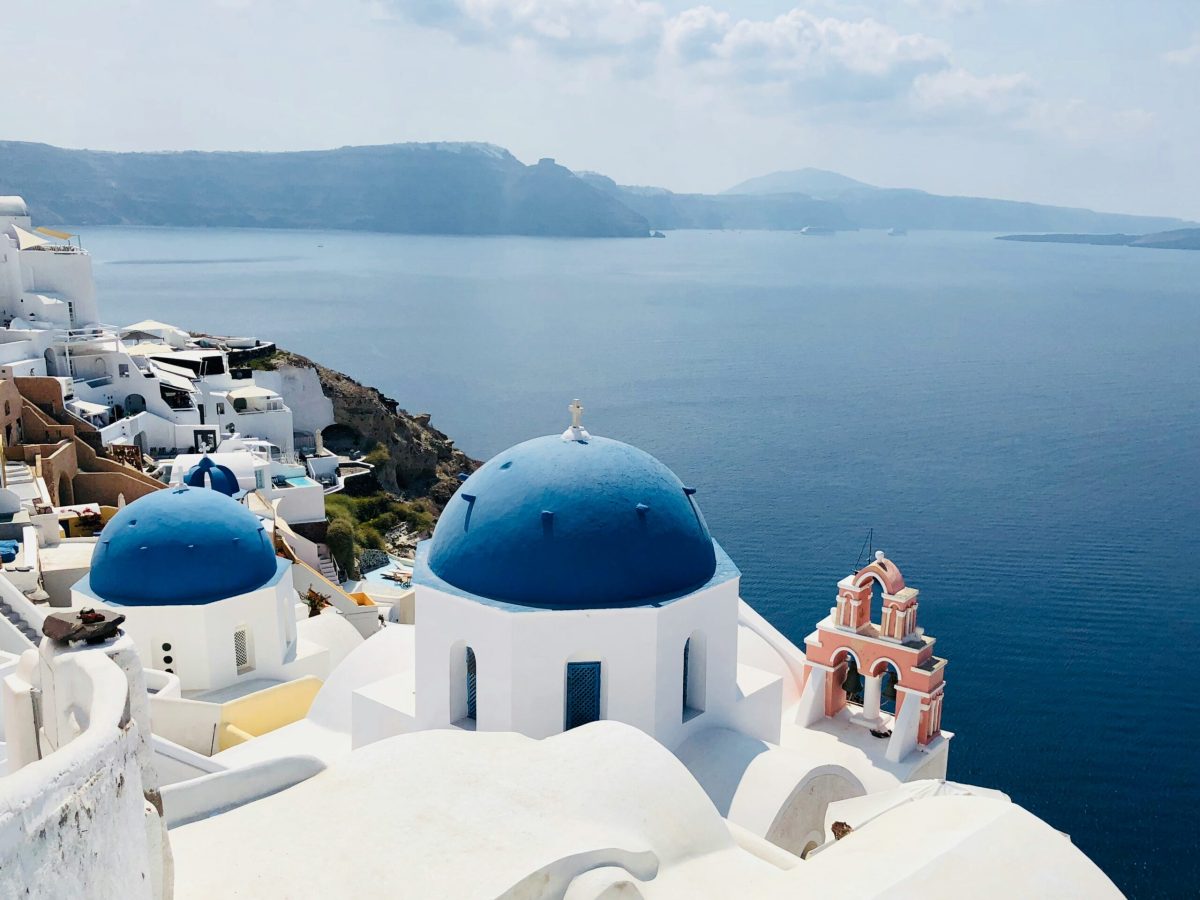
As demand pivots away from perceived instability, other destinations become magnets. Turkey, Greece, Spain, Italy, Morocco, and Egypt in the Mediterranean and North Africa are positioned to capture that shift. So are Thailand, Indonesia, and the Maldives in Southeast Asia.
Southern Europe wins partly through geography and infrastructure. Established tourism systems, strong airline networks, sunny climates, and cultural depth all matter. But the real advantage is psychology: travelers perceive these regions as predictable and stable.
The Bigger Picture
Global tourism won't collapse. Bağcı was clear on that. Instead, travelers are redistributing themselves. They're voting with their bookings for destinations that feel secure. The conference rooms, the hotel lobbies, and the airport lounges will shift geographically. The money will follow the perception of safety.
The long-term lesson cuts across the entire industry. Attractions and hospitality built the modern tourism boom. But in a world that feels increasingly fragile, stability and security aren't add-ons anymore. They're the foundation. A world-class museum or a pristine beach doesn't overcome the feeling that you might not want to go there. That's the new reality travelers are pricing into their decisions, and no destination strategy can ignore it.