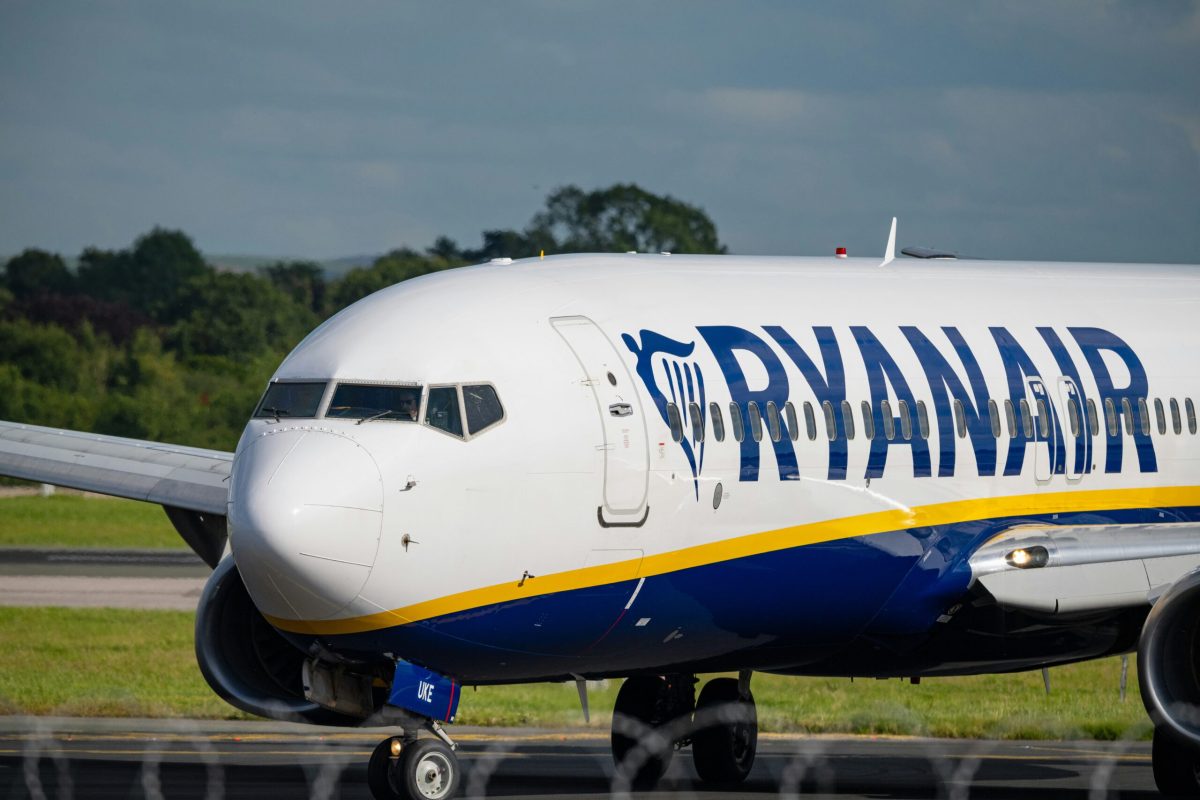
Budget airlines have a talent for rebranding inconvenience as innovation, and Ryanair is about to prove it again. Come November 10, 2026, the Irish carrier will close its baggage check-in and drop-off desks a full hour before departure, pushing the cutoff back from the current 40-minute window to 60 minutes. That's a 20-minute squeeze that will force anyone traveling with luggage to show up at the airport earlier than they do today.
On the surface, Ryanair is spinning this as an improvement. The airline frames the tighter timeline as a way to give passengers more breathing room to navigate airport security and passport control lines. But let's be clear about what's really happening here: Ryanair is betting that the change will frustrate only a sliver of its customer base.
The 80-20 gamble
The math works in Ryanair's favor. Roughly 80 percent of the airline's passengers don't check bags at all. They're the carry-on crew, flying light and leaving airports within minutes of landing. These travelers won't notice the difference. It's the remaining 20 percent who'll need to recalibrate their arrival times and adjust their pre-flight routines. For them, an extra 20 minutes of airport time matters, especially on tight connections or when juggling kids and luggage.
The move arrives against a backdrop of real chaos brewing across European airports. The European Union's new Entry Exit System (EES) is creating genuine headaches at border control. Third-country nationals, including British travelers post-Brexit, now must register biometric data, passport details, and trip information when entering EU member states (with a few exceptions like Ireland and Cyprus). The system is thorough, but it's slow, and airports are paying the price.
When baggage control melts down
The EES rollout has turned major travel hubs into bottleneck zones. Humberto Delgado Airport in Lisbon called in the national guard to manage queues. The Port of Dover created dedicated EES lanes to separate the flow. Greece opted out of the system entirely for the summer 2026 season. Then there was that EasyJet incident where 122 passengers missed their flight at Milan because they couldn't get through airport procedures in time. That kind of failure is a publicity nightmare no airline wants.
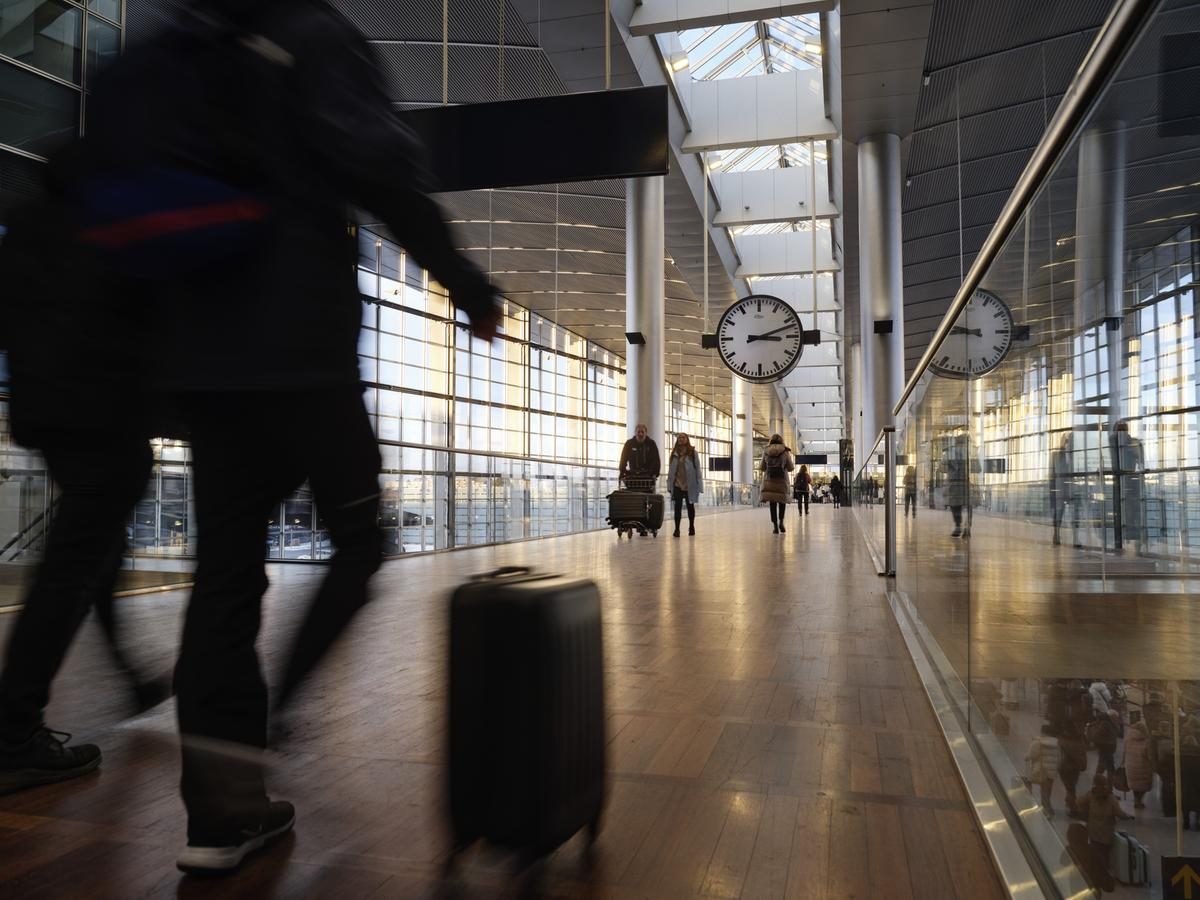
Ryanair clearly doesn't want its name attached to a similar fiasco. By pushing passengers to arrive earlier, the airline is essentially trying to create a buffer zone. More arrival time should mean fewer people left behind at gates, fewer missed connections, and fewer angry posts on social media. It's a defensive move disguised as passenger care.
What travelers need to know
The airline isn't leaving passengers entirely unprepared. Ryanair will open check-in desks earlier to accommodate the new schedule. More importantly, the carrier is installing self-service baggage kiosks at over 95 percent of its airports by October 2026. These automated drop-off stations should move luggage faster than traditional desk lines, cutting time spent queuing and speeding up the whole process for that 20 percent who do travel with checked bags.
For travelers planning budget trips across Europe, this is a practical adjustment rather than a deal-breaker. The shift won't affect most Ryanair passengers, and those who check luggage will benefit from speedier kiosks. The real lesson here is broader: airports across Europe are tightening up in response to new security protocols and system changes. Plan for longer airport visits, arrive with extra time, and download airline apps to track check-in deadlines.
Travel agility beats rigid schedules every time. Whether it's baggage deadlines shifting earlier or broader changes reshaping European travel patterns, flexible travelers adapt and thrive. Build in buffer time, stay informed about airline policy updates, and remember that a 20-minute adjustment today beats a missed flight tomorrow.