Picture this: you've just watched Brazil take on France at Lincoln Financial Field. The final whistle blows. You're buzzing with adrenaline, your voice is hoarse from cheering, and all you want is to get back to your hotel without emptying your wallet. In Philadelphia during the 2026 World Cup, you won't have to.
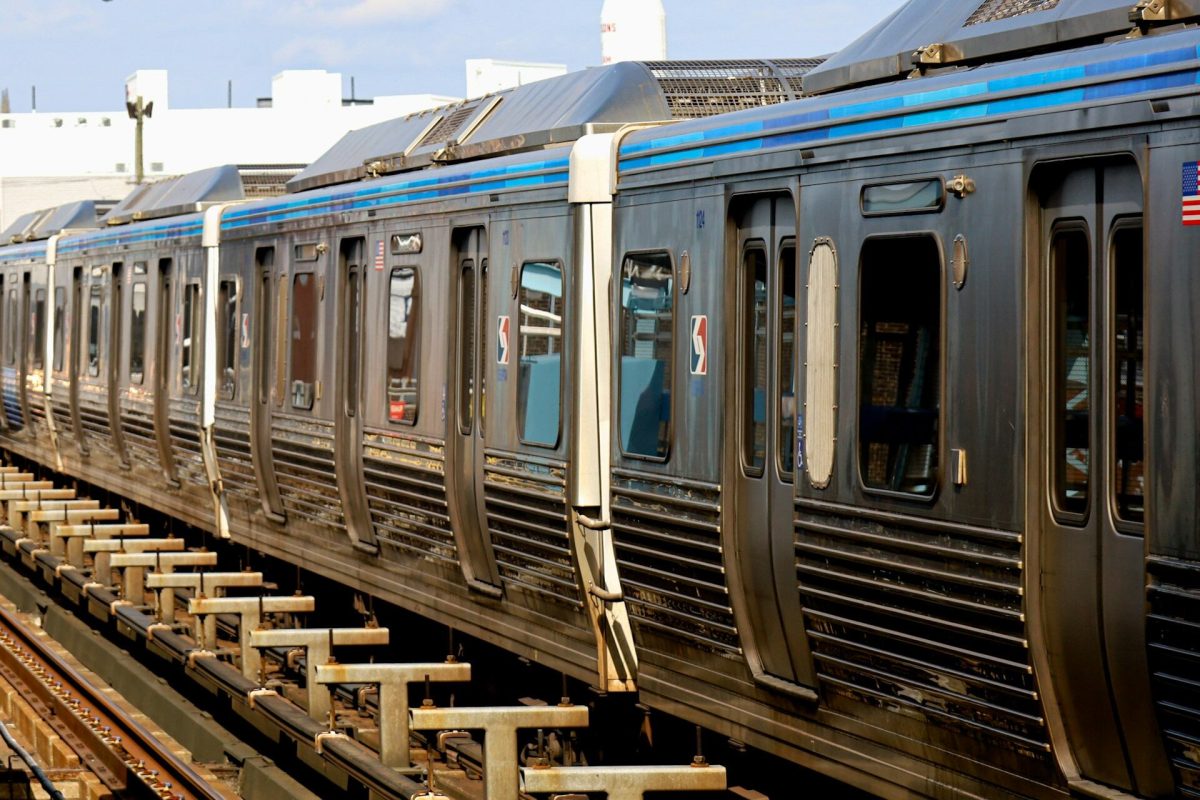
The city has partnered with Airbnb to offer something genuinely rare in major sporting events: free train rides home after every match. The catch? You'll pay a standard $2.90 fare to get to the stadium, but from halftime through two hours after the final whistle, your return journey on SEPTA's Broad Street Line costs nothing. Six matches will benefit from this offer, and it's a move that cuts directly against what's happening just across the river.
New Jersey's approach tells a starkly different story. Fans heading to MetLife Stadium face a bill up to $150 for a round-trip train journey. That's not a typo. The backlash has been brutal, with even FIFA raising eyebrows at the cost. Governor Mikie Sherrill pointed out the absurdity on social media: New Jersey Transit inherited a $48 million transportation bill while FIFA walks away with $11 billion in revenue. Someone had to foot that tab, and it's being passed directly to fans.
So why can Philadelphia play it so differently? Early planning and smart partnerships matter. The city locked in support from both public and private sponsors, with Airbnb's backing being essential to covering those free rides. There's also the geographic advantage: a stadium nestled near the city center means shorter journeys and lower costs overall. Compare that to the sprawl of New Jersey's MetLife, and you see why distances (and bills) pile up fast.
The contrast reveals something larger about how American cities are preparing for this World Cup. Kansas City is offering free airport shuttles and discounted passes. Dallas is layering affordable train tickets with free buses to AT&T Stadium. Philadelphia's free return journey tops them all, sending a clear message: we want visitors to show up and feel welcome.
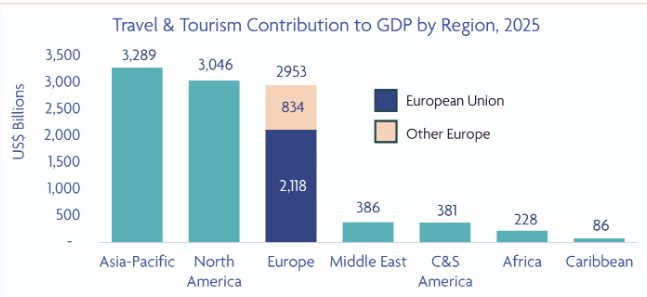
This matters more than it might seem. The United States has been struggling to attract international tourists in recent years. Visa policies, political uncertainty, and general skepticism abroad have taken a toll. Early bookings for the 2026 World Cup suggest demand remains soft. When visitors do arrive, their experience will depend heavily on small frictions like getting from the stadium back to the city. Free or cheap transit removes a barrier. Expensive transit builds one.
Philadelphia is hosting some of the tournament's biggest draws. Brazil and France are confirmed. One match falls on Independence Day, July 4, 2026, adding layers of symbolic weight. For international visitors unfamiliar with SEPTA or how American transit works, having a straightforward, free option after the game ends isn't just nice. It shapes whether they leave feeling like the city rolled out a welcome mat or handed them a bill.
The real story here is about planning, not charity. Cities that prepared early and secured mixed funding (public money, corporate partners, creative use of existing infrastructure) can offer better experiences. Those that cut things close or left transportation to chance end up passing costs to fans. As you're booking your World Cup trip, check which host city you're visiting. That decision might change more than just where you watch the match.