Picture this: you show up to the airport six hours early for your flight. You think you're being smart, getting ahead of the crowds. Then you realize it still might not be enough. That's the reality unfolding at America's busiest airports right now, where a federal budget deadlock has turned security screening into a test of patience that would break most travelers.
Since Congress failed to reach a budget agreement in mid-February 2026, the Transportation Security Administration has been operating on empty. Around 50,000 TSA officers continue working without paychecks, and more than 300 have already walked away from the job entirely. The numbers tell a grim story: absences at major hubs have skyrocketed to unprecedented levels. Houston Hobby Airport saw a 53% absence rate on March 8th. New York's JFK averaged 21% absences, while Atlanta's Hartsfield-Jackson hit 19%. Compare that to the usual 2% absence rate, and you start to grasp just how severe the situation has become.
The human cost cuts deeper than any statistic. Security staff are burning through savings. They're skipping meals, delaying mortgage payments, and deciding whether they can afford to keep showing up. Marcos Crespo, vice president of the American Federation of Government Employees Local 1260, didn't mince words: "This paycheck coming up, we're going to miss completely. So it's going to really start affecting people come this weekend." When paychecks disappear, people have no choice but to seek work elsewhere. The hiring pipeline for TSA positions could dry up entirely if this becomes a pattern, making future crises even worse.
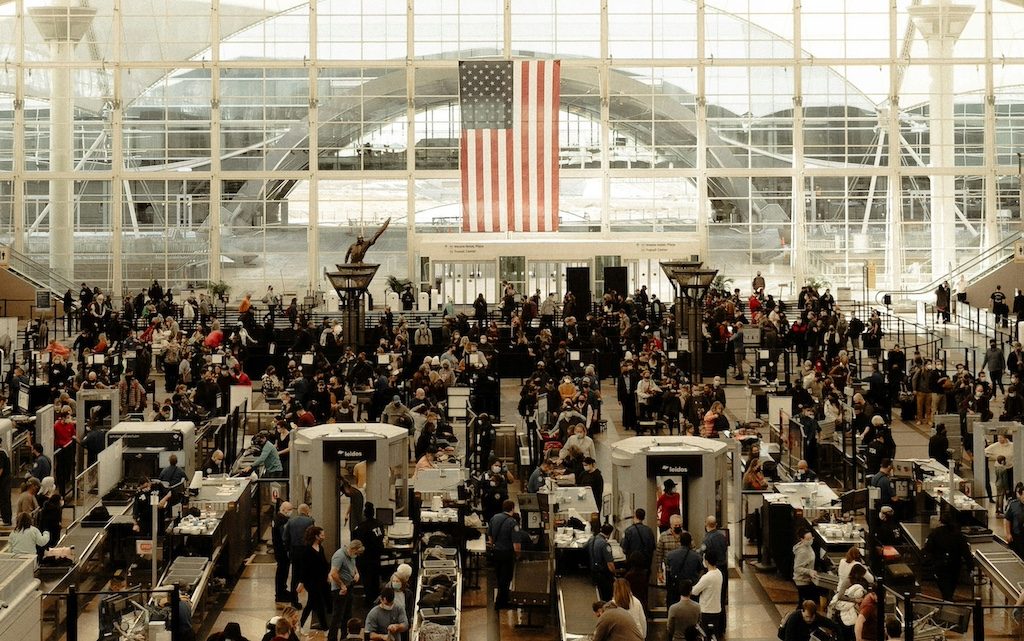
If you're flying soon, brace yourself. Security screening times at major airports are now exceeding rush hour delays during peak travel season. Queues are snaking through terminal buildings and spilling onto sidewalks outside. Passengers are missing flights and connections because they simply cannot clear security in time, even when arriving hours early.
Here's a practical problem that's making things worse: the TSA's wait time tracker and similar tools are also offline due to the shutdown. You can't use those apps and websites that normally help you plan your arrival time. Your best bet? Check individual airport social media feeds and airline apps for real-time information. Don't trust estimates from a few days ago. These situations shift hourly.
A historic blizzard on February 23rd compounded the crisis, disrupting schedules and adding weather-related chaos on top of staffing shortages. The combination created perfect conditions for travel meltdown. Even seasoned frequent flyers are reportedly starting to show strain, and the broader travel sector can't afford more bad press right now.
The Bigger Picture
This isn't the first time this has happened, and that's what makes it truly alarming. The most recent shutdown lasted 43 days and forced 1,100 TSA officers to quit, according to former TSA Administrator John Pistole. We're only weeks into this one. If history repeats itself, things will get dramatically worse before they improve.
The broader US travel industry is already reeling from what analysts call the "Trump Slump," where negative consumer sentiment has dampened bookings and confidence. Adding images of queue chaos snaking outside airport buildings to that narrative doesn't help. People need to trust that they can actually get on their flights. When that trust erodes, travelers look elsewhere.
There's also a long-term recruitment nightmare brewing. Who would sign up to be a TSA officer if the job frequently involves working for nothing? The American Dream usually includes getting paid for your work. Future hiring campaigns will face skepticism from candidates who remember these shutdowns. Building back that workforce could take years.
For now, arrive earlier than you think you need to. Check real-time airport updates constantly. Consider whether your trip can be delayed or rerouted entirely. The system is under extreme stress, and relief depends on Congress doing its job. Until then, travelers are the ones paying the price.