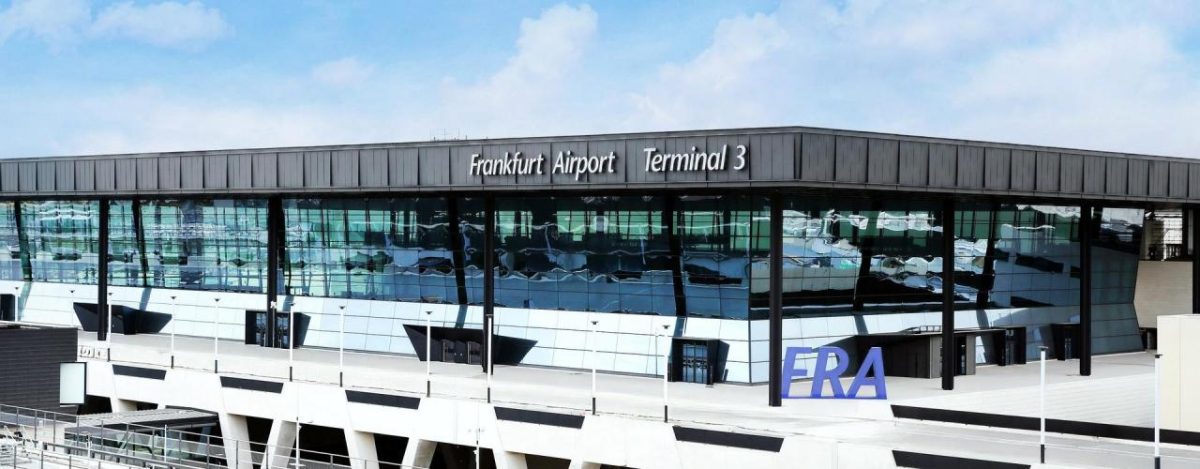
On April 23, 2026, Frankfurt Airport flipped the switch on Terminal 3, a building so large it required 112,000 tons of steel and sprawls across 403,000 square meters of floor space. This isn't just another terminal expansion. It's a statement that airports have stopped being places you tolerate and started being places you might actually want to spend time in.
The numbers are impressive in their own right. Terminal 3 was designed to handle between 19 and 25 million passengers annually, gradually absorbing operations from the aging Terminal 2. An 11-year construction timeline, starting back in 2015, finally came to fruition this spring. Airlines including Cathay Pacific, Emirates, Qatar Airways, and Korean Air have already made the switch, with others following a staggered schedule you can check on the airport's website. A people mover called the Sky Line whisks travelers to other terminals in eight minutes, so the new space doesn't isolate you from the rest of the airport ecosystem.
Why This Terminal Doesn't Feel Like an Airport
The genius moves happened during the design phase. German architect Christoph Mäckler approached Terminal 3 as if designing a small city rather than a transit hub. "These days airports have become a destination in their own right. In fact, they typically receive more visitors than many city centres," he explained. That observation sparked a rethink: if airports outpull actual destinations, shouldn't they function like them?
That philosophy shows everywhere. Piers and gates became streets and squares. Lounges transformed into gathering spaces. The whole thing reads less like an airport and more like a compact city you'd actually want to wander through. Airports have become destinations themselves, and Frankfurt decided to lean hard into that shift.
Art That Actually Means Something
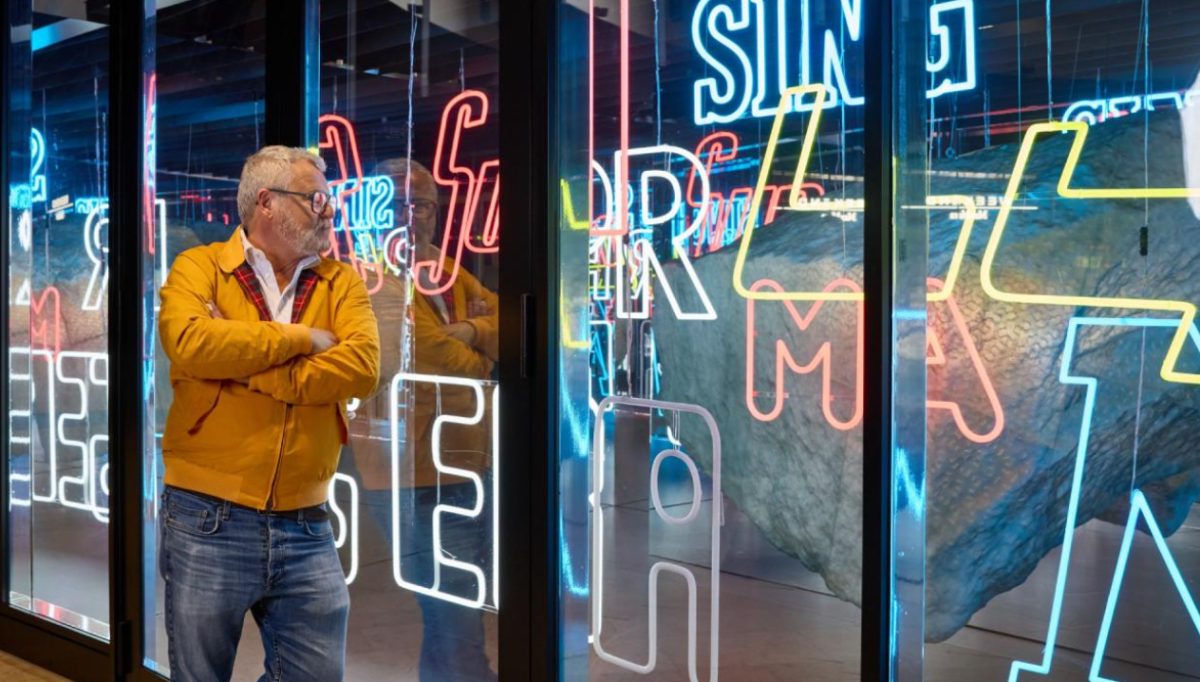
Here's where Terminal 3 gets properly interesting. Frankfurt Airport tapped Tobias Rehberger, a Venice Biennale Golden Lion winner and professor at Frankfurt's prestigious Städelschule, as Artist in Residence. His work centers on transition, which happens to be the entire reason airports exist.
You'll see his slogans throughout the terminal: "Say Hello To Goodbye" and "In 2 Days Tomorrow is Yesterday Somewhere Else." These aren't decorative afterthoughts. Rehberger's point cuts deeper. "These neutral spaces often sap your energy," he noted. "However, when you turn these 'non-places' into places, a sense of identification arises." Art, he argues, doesn't just decorate the space. It transforms how your brain processes being there. What was once a sterile waiting area becomes a place with personality, where you could actually say "let's meet there" without sounding ridiculous.
You'll Actually Want to Eat and Shop Here
The culinary and retail offerings don't feel like airport afterthoughts either. Two food courts offer grab-and-go options, but there's also a proper bar and restaurants including EL&N London, Sophia Loren Restaurant, and Origin Bar + Eatery. Standard duty-free shops share space with elevated retailers like BOSS, FALKE, and LONGCHAMP, giving you actual choices beyond airport generic.
None of this is revolutionary on paper. But Terminal 3 gets the mood right. The lighting works. The sightlines feel intentional. The art lands. Sometimes the difference between a draining airport experience and a tolerable one comes down to whether someone bothered to think about how you'll actually feel in the space.
If you're connecting through Frankfurt or departing from here, Terminal 3 is worth exploring even if you have time to kill. It's the kind of airport architecture that reminds you travel doesn't have to feel grinding before it even starts.