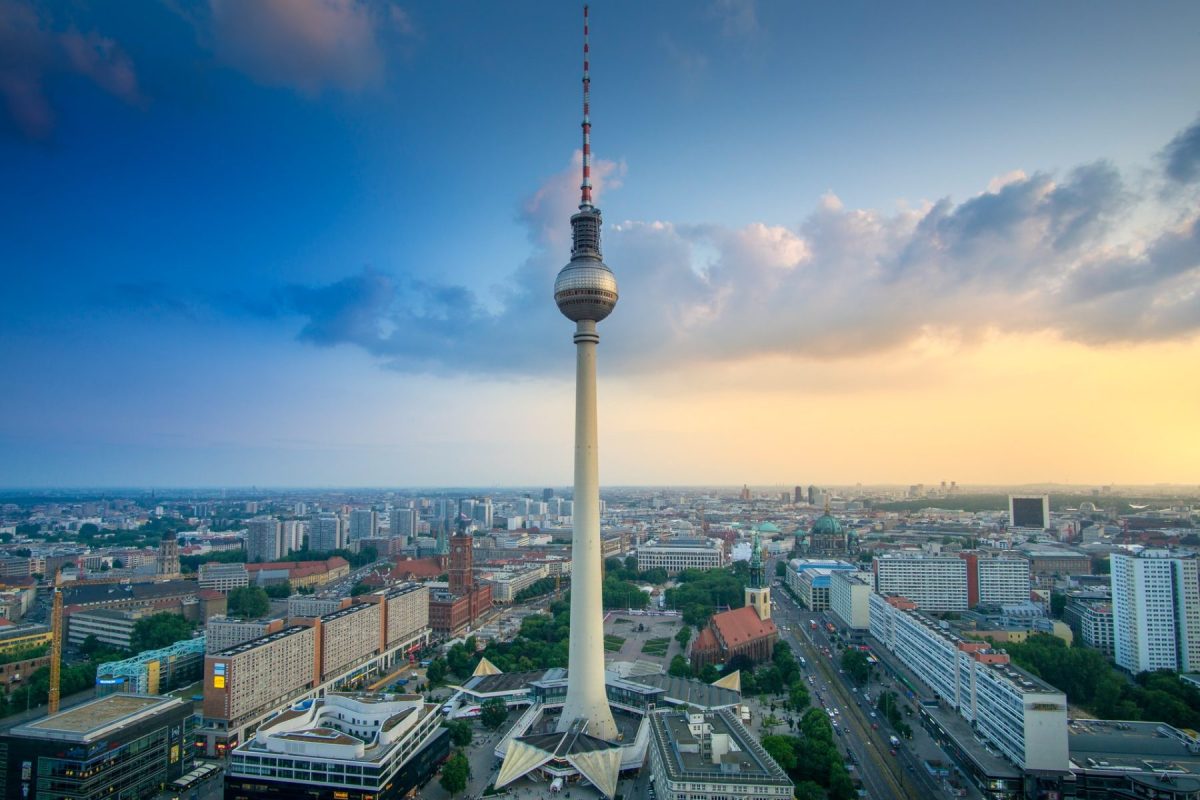
Berlin has a trash problem, and the city is throwing a curveball at the usual tourist playbook. Instead of slapping visitors with hefty fines for littering, the German capital just launched BerlinPay, a rewards program that essentially pays you to be a good guest. Clean up the waterways, volunteer at community projects, or simply dispose of your cigarette butts responsibly, and you'll unlock freebies at local museums, restaurants, and cafes.
The concept sounds generous, maybe even too good to be true. But Berlin isn't reinventing the wheel here. The city borrowed this "carrot not stick" approach from Copenhagen, where CopenPay has been running since 2024 with remarkable success. The Danish capital convinced 70% of its visitors to participate in eco-friendly actions like using public transit, bike rentals surged 59%, and local businesses saw spending jump considerably. Over 30,000 people signed up for responsible travel activities. Copenhagen proved that tourists actually want to contribute to the places they visit.
Why Berlin needed this badly
Berlin isn't messing around with cleanliness. The city spent 13.1 million euros on cleaning in 2025, and waterways remain a particular eyesore, cluttered with everything from discarded bulky waste to cigarette butts. The first year of BerlinPay will focus squarely on these waterways.
That said, Berlin isn't going soft on actual offenders. The city tripled fines for cigarette littering to a minimum of 250 euros (up to 3,000 in some cases), ramped up enforcement staffing, and set penalties for fly tipping at 11,000 euros, or 15,000 if the waste is hazardous. So this isn't a free pass. It's an incentive structure layered on top of serious consequences.
A global trend that actually works
Berlin's move reflects a broader shift in how destinations think about visitor behavior. Fiji invites tourists to contribute "Loloma time" (an hour of community service), while Hawaii explored an "only a stranger for a day" concept. The underlying insight is simple: modern travelers crave deeper connections with the places they visit. Volunteering, helping locals, and doing good deeds trigger genuine engagement and yes, those feel-good hormones too.
Rikke Holm Petersen, head of communications and behavioral research at Wonderful Copenhagen, summed it up neatly: "When people are on holiday, they are more open to new ideas." That openness translates to action. In Copenhagen, the data showed locals benefited directly. When visitors cycle more, bike rental companies thrive. When people engage with community spaces, those spaces flourish.
The skeptics have a point
Not everyone is cheering. Critics argue that holidays exist precisely so people can escape obligations and relax, not pick up trash on someone else's behalf. Others point out that residents, not tourists, should bear primary responsibility for keeping their hometowns clean. These aren't unreasonable objections.
Berlin's approach acknowledges this tension. The rewards program runs alongside enforcement mechanisms because the city recognizes that incentives alone won't solve systemic littering issues. Locals need skin in the game too. But the BerlinPay model gives visitors a choice: engage meaningfully with the city, help where needed, and enjoy perks. Or ignore it entirely and risk fines if you're caught polluting.
What travelers should know
If you're planning a Berlin trip, participating in BerlinPay could genuinely enhance your experience. You'll meet locals, support community projects, and earn discounts at restaurants and museums you probably wanted to visit anyway. The scheme transforms a solo act of littering prevention into a relationship building opportunity.
One note worth mentioning: museums worldwide are increasingly experimenting with visitor fees, so any discount program that unlocks free or reduced entry has real value. And if you're the type of traveler seeking alternatives to overcrowded destinations, Berlin's push toward more sustainable tourism could be appealing. The city is essentially inviting thoughtful visitors to come, contribute, and benefit.
Of course, you'll still pay Berlin's city tax when you book your hotel. So yes, you're paying an entry fee to the city, then possibly earning rewards for being responsible. Some might call that justice. Others might just see it as the cost of travel in a major European capital. Either way, BerlinPay offers something refreshingly different from the usual tourism playbook: a way to turn your vacation into something that actually helps the place you're visiting.