Picture yourself at a small restaurant in Beijing. The food smells incredible. You're ready to pay. You hand over your Visa card. Declined. Around you, locals tap their phones and walk out. You're stuck with a bill you can't process and a growing sense of frustration.
This scene plays out constantly for foreign travelers in China, a country where 80 percent of daily transactions happen through mobile phones. International visitors discover their bank cards don't work at local restaurants, street markets, transit hubs, tourist sites, or even some hotels. It's a surprisingly modern problem in one of the world's most advanced payment systems.
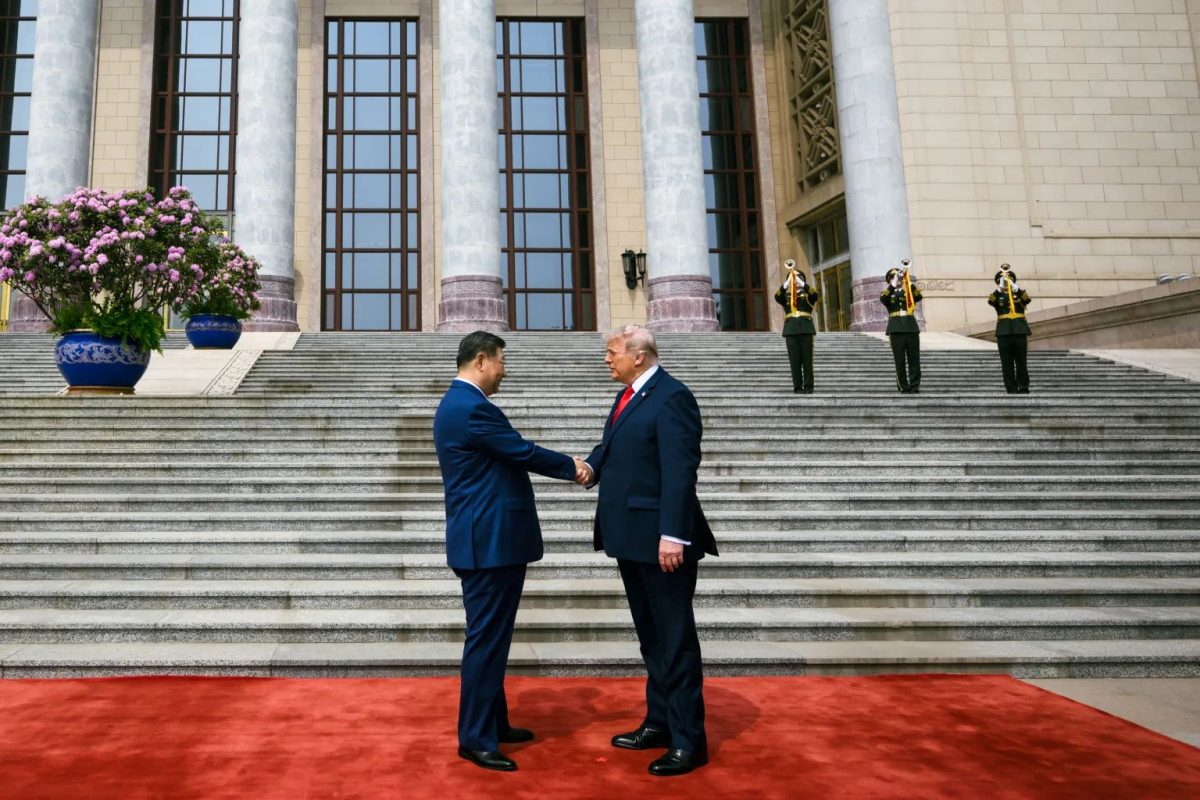
The issue has become so significant that it reached the highest levels of government. During a recent state visit, U.S. President Donald Trump raised the payment problem directly with China's leader Xi Jinping, specifically pushing for Visa to gain access to China's tightly controlled payment market. "I said, 'What about letting Visa?' Visa is a big deal," Trump told Fox News. "For some reason, they were blackballed, and maybe that will come off." The U.S. delegation even included Visa's CEO Ryan McInerney, signaling how seriously American business leaders take this barrier to tourism.
The Payment System That Freezes Out Outsiders
China's cashless economy runs on two dominant local platforms: WeChat Pay and AliPay. Both require a local phone number and bank account to function, making them inaccessible to most visitors. While luxury hotels and international chains reliably accept foreign cards, smaller establishments don't. Beijing has upgraded over 20,000 subway station payment terminals to support contactless cards from foreign Mastercard and Visa holders, but these upgrades haven't solved the broader problem at shops and restaurants.
Research from the University of Innsbruck examining foreign travelers' payment experiences found something telling: payment troubles immediately ripple across accommodation bookings, transportation, shopping, and overall satisfaction. Some tourists resort to carrying large amounts of cash. Others have cancelled entire trips because they couldn't process payments. The gap between what China announces in its policies and what travelers actually experience remains vast.
A Dispute With Decades-Old Roots
Visa's exclusion from China's payment market isn't accidental. The company has been blocked from conducting domestic yuan-clearing operations since 2012, when the World Trade Organization ruled that China was discriminating against foreign payment providers. Since then, Mastercard and American Express negotiated entry through partnerships with local firms. Visa remains the outlier.
China did open its bank-card clearing market partially in 2015, ending the monopoly of state-backed China UnionPay. The government has also raised mobile payment spending limits for foreigners and theoretically required tourist sites to accept cash and international cards. Yet enforcement remains spotty.
Tourism Gains, But Payment Stays Broken
China's push to attract international visitors has worked. The country welcomed roughly 65 million foreign visitors following its 2024 visa-free expansion, more than double the 2023 figure, though still below the 97.7 million arrivals recorded before the pandemic. But more tourists means more people hitting this same payment wall.
Trump's visit focused heavily on cementing trade cooperation between the world's two largest economies, which may finally create momentum for resolving the Visa issue. Payment system compatibility increasingly matters as much as visa policy itself when countries compete for tourist dollars.
The payment gap also works in the other direction. Earlier this year, the European Travel Commission partnered with Mastercard and Chinese banks to create a co-branded travel card that makes it easier for Chinese tourists to spend money across Europe. As travel becomes more global, the friction of incompatible payment systems stands out as something both governments should want to fix.
For now, travelers heading to China should arrive with a mix of payment methods: cash for street vendors, credit cards for larger establishments, and low expectations for using Visa at local businesses. It's an unnecessary complication for a country determined to welcome the world.