When Athens and London swelter under the same sun, one absorbs far more heat than the other. The difference comes down to what sits above your head. New research from teams at University College London and the University of Exeter has found something remarkably simple that could save hundreds of lives: painting roofs white or light colors.
The findings are stark. During London's scorching summer of 2018, when temperatures ran 1.6°C above normal across June, July, and August, the city recorded 786 heat-related deaths. The researchers modeled what would have happened if light-colored roofs had covered London's skyline. The result: a citywide temperature drop of 0.8°C (1.4°F) and 249 lives saved. That's nearly one-third of the total fatalities that summer.
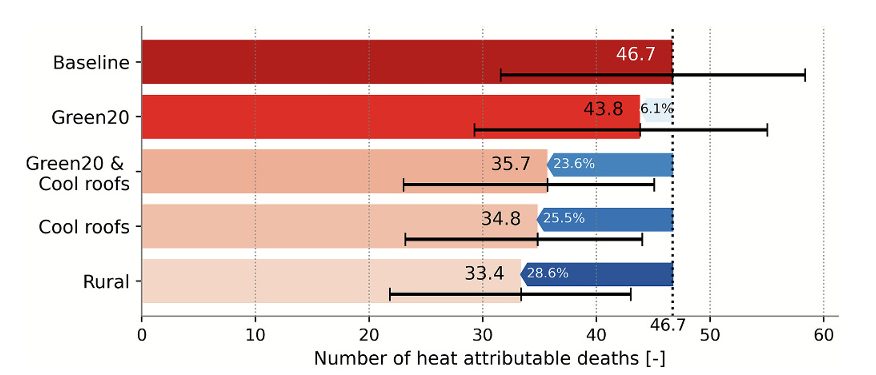
"If widely adopted, cool roofs can significantly reduce ground-level air temperature," explained Dr. Charles Simpson from UCL's Bartlett School. "The cooling effect across the city would save lives and improve quality of life for residents." The principle is beautifully simple. Dark roofs absorb the sun's radiant energy like wearing a black t-shirt outside. Light roofs reflect it away, as a white shirt does. Scale that up across an entire city, and neighborhoods stay measurably cooler.
Why this matters for travelers heading into heat zones
If you've visited Mediterranean destinations, you've already seen this strategy in action. The whitewashed villages of Greece's islands, the pale adobe structures of North Africa, the cream-colored roofs dotting Southern Spain - these weren't designed just for aesthetics. They emerged from centuries of human knowledge about surviving intense heat. Spain's terraces are closing during heat waves, forcing travelers to reconsider how cities manage extreme temperatures, and light-colored architecture is part of the solution.
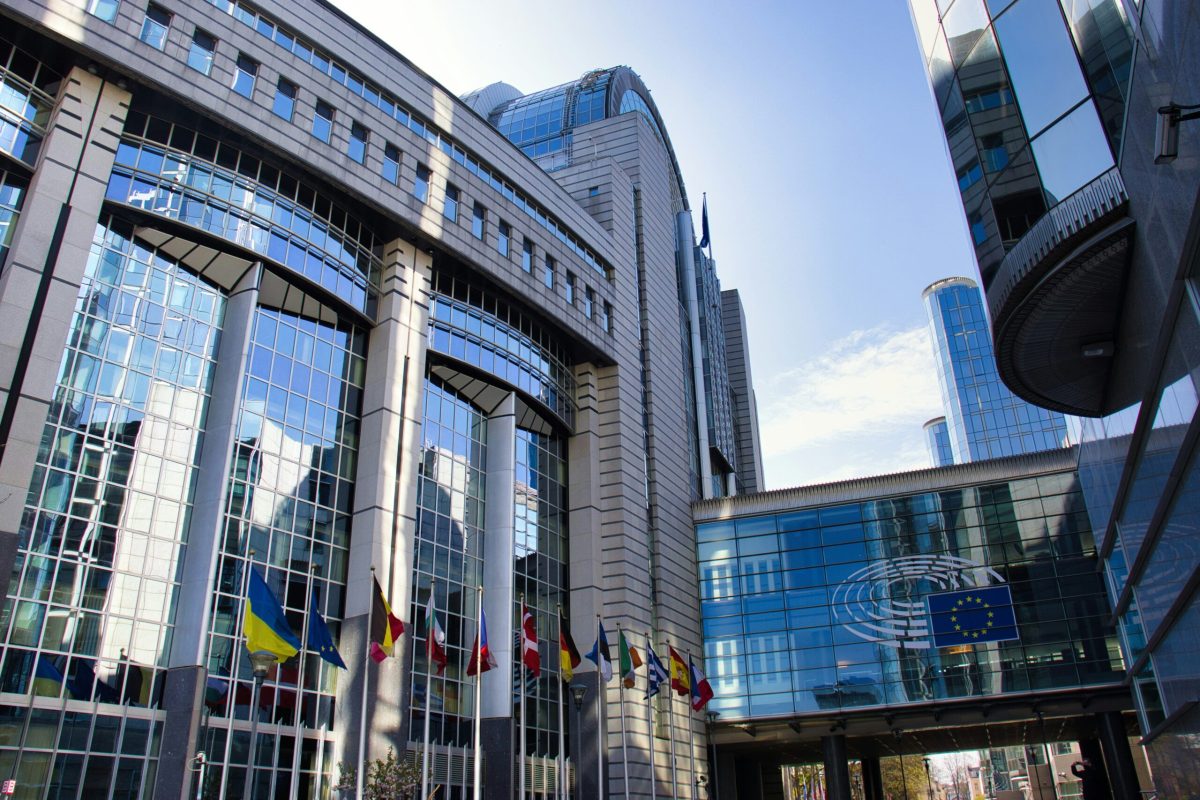
The UCL study wasn't limited to London. In Brussels (one of Europe's densest cities), modeling showed that cool roofs could have prevented up to 25% of heat-related deaths during the July 2019 heatwave. The research team collaborated with Belgian institutions including Sciensano and KU Leuven, expanding the evidence base across different climates and building styles.
How cool roofs actually work in practice
The implementation options are straightforward. Cities can install white or light-colored roof coverings, apply special reflective coatings to existing roofs, or specify materials engineered to bounce solar radiation back into the atmosphere. None of this requires tearing down buildings or expensive infrastructure overhauls. It's retrofit-friendly.
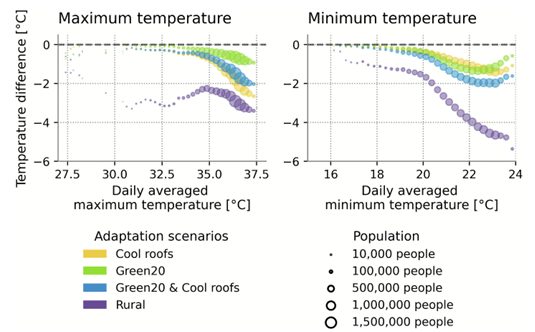
What surprised researchers was the interaction between cool roofs and green spaces. While adding trees and vegetation to urban areas helps daytime temperatures, cool roofs proved especially valuable for lowering nighttime temperatures. This matters because human bodies need a break. During sustained heatwaves, if nighttime temperatures don't drop significantly, people struggle to recover and cool down. The combination of reflective roofs plus greenery creates those crucial recovery hours.
The research comes as heat stress reshapes travel itself. Extreme temperatures don't just make visiting cities uncomfortable - they create genuine health risks, particularly for older travelers or anyone with cardiovascular conditions. Understanding how cities manage heat becomes a practical travel consideration, not just an environmental issue.
For now, this remains a scientific recommendation awaiting policy decisions. Some forward-thinking cities are already experimenting. But the data is clear: light-colored roofs represent a low-cost, scalable intervention that could make the difference between a hot day and a deadly one. If you're planning travel to dense urban areas during peak summer months, pay attention to how cities around you are adapting. The roofs above might be doing more work than you realize.