Every traveler has a number in mind when planning a getaway. For nearly half of all visitors in 2026, that number is climbing higher than ever. A new analysis of over 100,000 real trip bookings shows just how steep costs have become at the world's most sought-after addresses.
Travel insurance platform SquareMouth crunched booking data, surveyed 6,000+ travelers, and pulled figures from major reservation platforms to build what they call an "expense index." The result is a clear picture of where your money actually goes when you book a trip. The company examined five key spending areas: daily trip costs, flights, lodging, car rentals, and food and beverages. The findings reveal some surprising truths about the true cost of adventure.
The Price Tag of Dreams
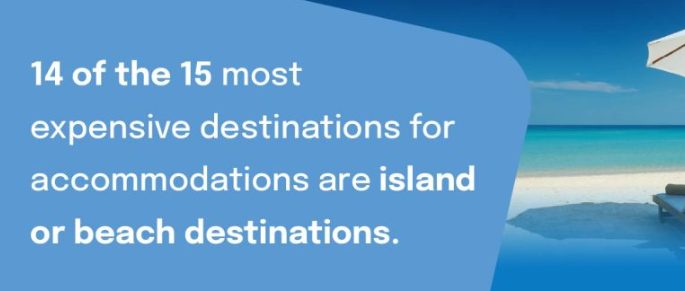
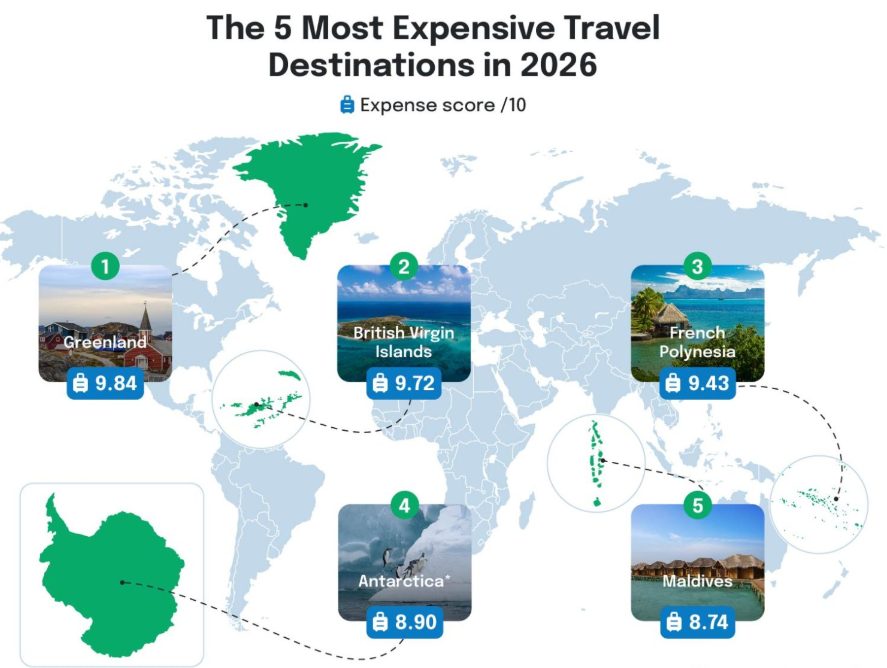
Greenland, the British Virgin Islands, French Polynesia, Antarctica, and the Maldives top the list as the planet's priciest destinations. Follow those with Switzerland, Zimbabwe, Turks and Caicos, Botswana, and Anguilla rounding out the ten most expensive places to visit. There's a clear pattern here: remote, geographically isolated locations command the highest premiums. Getting there is harder. Supplying them costs more. And once you arrive, the tourism industry has learned that travelers visiting such places expect luxury, not bargains.
According to SquareMouth's research, three vacation styles emerged as the priciest: polar and expedition destinations lead the pack, followed by island and beach escapes, then African safari adventures. Yet here's the paradox: these same categories also attract the most passionate travelers. Forty-two percent of those surveyed said they're prioritizing a luxury island vacation, 24% dream of an African safari, and 12% aspire to a polar expedition. In other words, people are willing to pay these premiums because bucket-list experiences feel worth it.
The Real Cost of Getting There
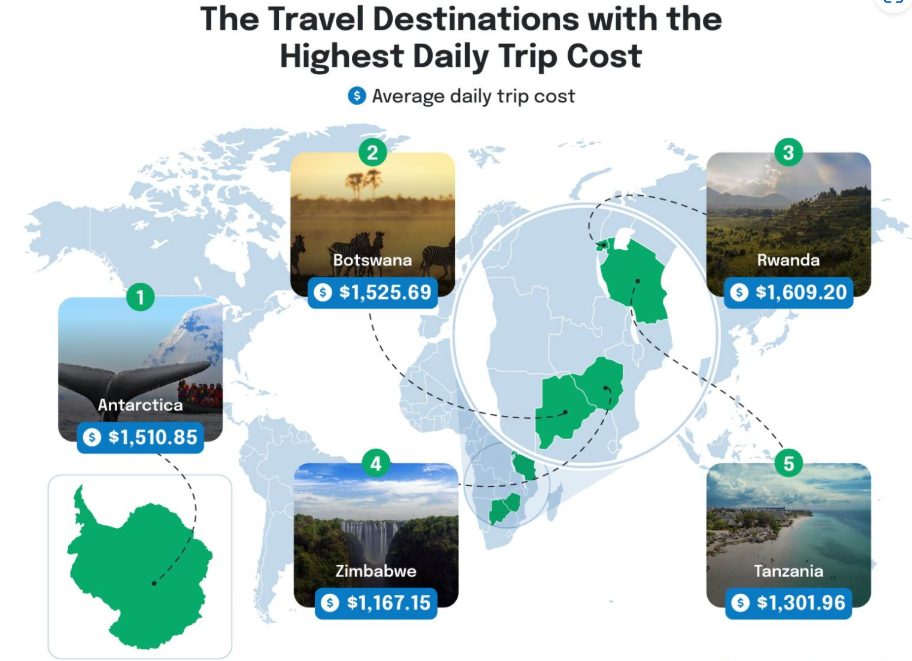
One critical distinction emerged from the data. The "most expensive destinations" list (based on hypothetical combined costs) differs from the "highest daily spending" list (based on actual traveler expenses). Antarctica ranks highest when you look at what people really spend per day, followed by Botswana, Rwanda, Zimbabwe, and Tanzania. The gap exists because trip length matters enormously. A two-week Antarctic expedition will drain your account far more than a weekend in Greenland, even if Greenland's daily costs are higher.
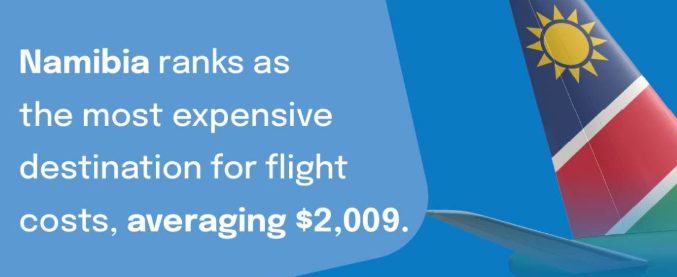
This matters when you're budgeting. A destination that appears pricier in theory might prove cheaper in practice depending on how long you stay. Flight costs have climbed significantly, but that's just one piece of the puzzle. Where you sleep, what you eat, and whether you rent a vehicle all swing the final number wildly.
Nothing Is Certain But Luck and Flexibility
The good news: this list represents potential spending based on standard rates and typical travel patterns, not guaranteed costs. Real-world trips vary enormously. A traveler who books during shoulder season, hunts down package deals, or stays at smaller guesthouses can visit even the "most expensive" destinations without emptying their bank account. Promotions, off-season pricing, and strategic choices all matter.
The surge in premium travel spending isn't random. It reflects a genuine shift in how people approach vacations. Nearly half of travelers expect their budgets to grow in 2026, and a quarter openly state they plan to spend more to secure premium or once-in-a-lifetime experiences. The traveler of 2026 is making a choice: experiences over stuff, quality over quantity. And that decision is reshaping where tourism dollars flow.
If you're dreaming of Greenland, Antarctica, or the Maldives, start planning now. Set your budget with eyes open, but don't let the numbers alone stop you. The destinations topping this list exist at the top for a reason. They deliver what no beach resort or city break can match. Just go in knowing exactly where your money is going and which costs you can control.