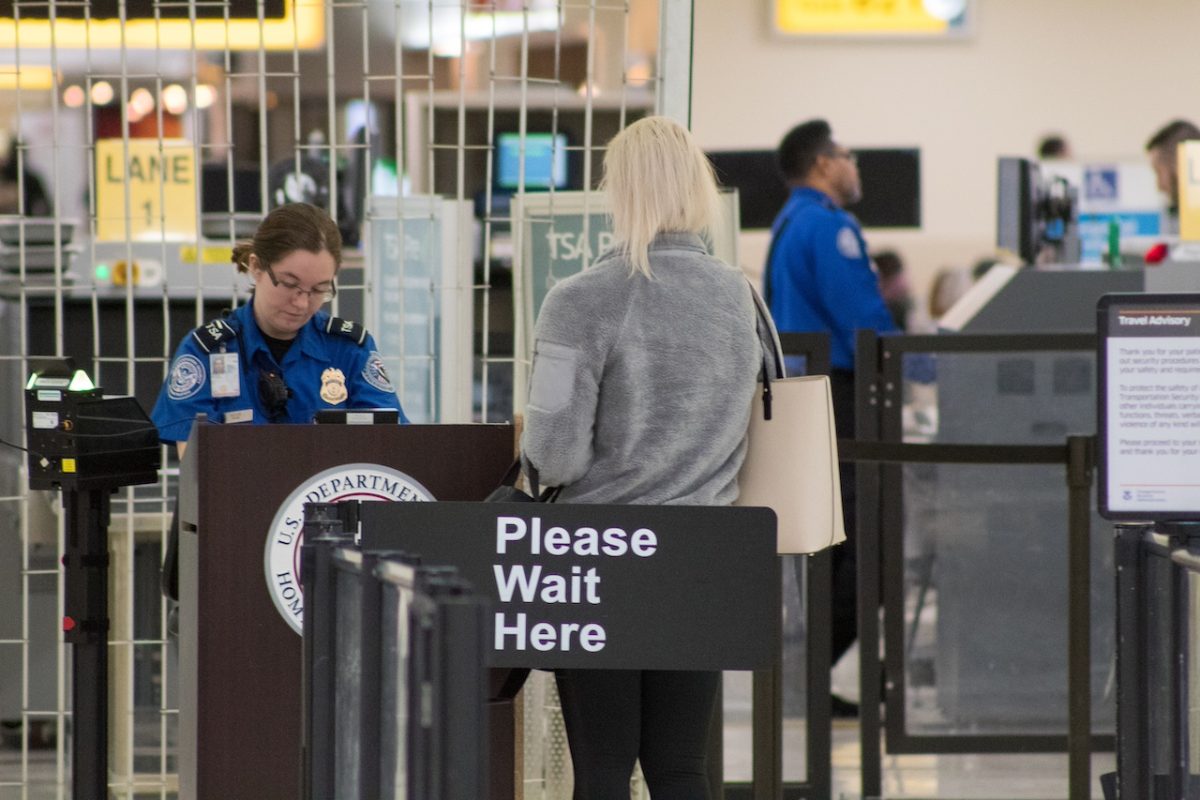
Your next trip through airport security might look different. The Transportation Security Administration has been quietly developing Gold+, a plan to let private contractors manage security screening at major hubs across the country. The catch: almost nobody knew about it until a flyer turned up at an Orlando airport gate.
On August 5, 2026, the American Federation of Government Employees filed a lawsuit at the U.S. District Court for the District of Columbia demanding the TSA hand over all documents related to the Gold+ program. The union represents roughly 47,000 TSA workers, and they're not happy about being kept in the dark. The TSA started pitching Gold+ to airports in August 2025, but the union only caught wind of it through that accidental briefing flyer found in April 2026. When they filed a freedom of information request on May 11, the TSA never responded.
This isn't the agency's first dance with privatization. The Screening Partnership Program has already handed screening duties to private contractors at roughly 20 airports nationwide. But Gold+ represents a bigger leap: it's designed to attract private investment while speeding up technological upgrades and supposedly improving passenger experience. Three major airports have already signed on for 2027 rollouts: Charleston International, Tampa International, and Des Moines International. The TSA insists security standards won't drop and that privatization shields screening from federal budget uncertainty.
AFGE National President Everett Kelley sees it differently. "TSA has been keeping everyone in the dark," he said in a statement. "TSA employees, members of Congress, airport authorities, and the flying public. And it's little wonder why. This privatisation expansion is a major departure from the aviation security system established by Congress in the wake of the Sept. 11 terrorist attacks. Changes of this magnitude must not be made in the dark."
The real concern isn't just secrecy. AFGE General Counsel Rushab Sanghvi warns that shifting security to private firms could slash worker pay and benefits. Private contractors will treat staffing as their biggest cost center, which means cuts are coming. "We continue to push to make sure that our airports are safe and that our federal employees, our TSOs, the people who work at TSA at the airport, many of whom are veterans, are treated with respect," Sanghvi told USA Today. "They're not replaced with poorly paid jobs that are going to impair public safety."
The stakes extend beyond the checkpoint. Private screening means private companies controlling security technology and hiring decisions at some of America's busiest travel hubs. That's a structural shift in how the nation secures air travel, and it happened without Congress being fully looped in. Security screening already catches some surprising contraband, and the question now is whether private firms will maintain the same standards.
As of now, the TSA hasn't publicly responded to the union's complaints. The agency continues marketing Gold+ to airports, but the legal fight suggests this plan won't roll out quietly. For frequent flyers heading through Charleston, Tampa, or Des Moines next year, expect to see some changes to who's running the screening line. The bigger question is whether those changes improve your airport experience or just tighten corporate margins at the expense of worker security and pay.