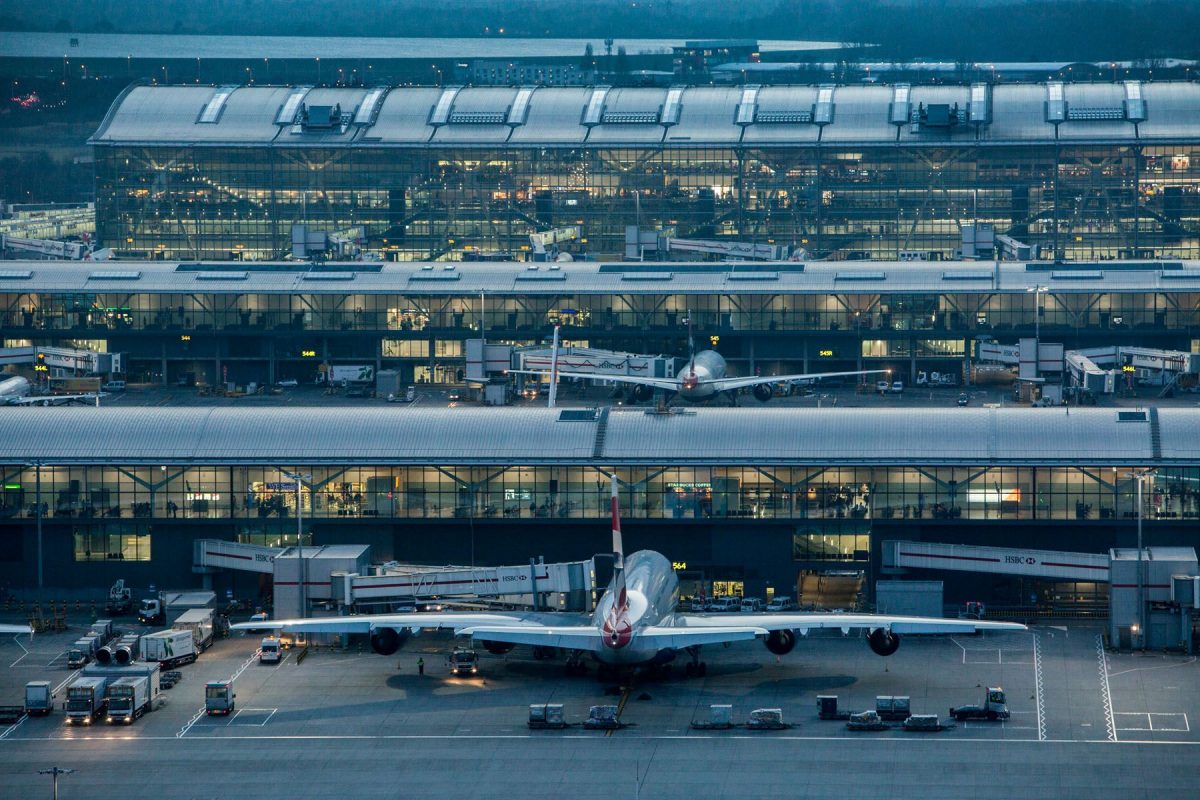
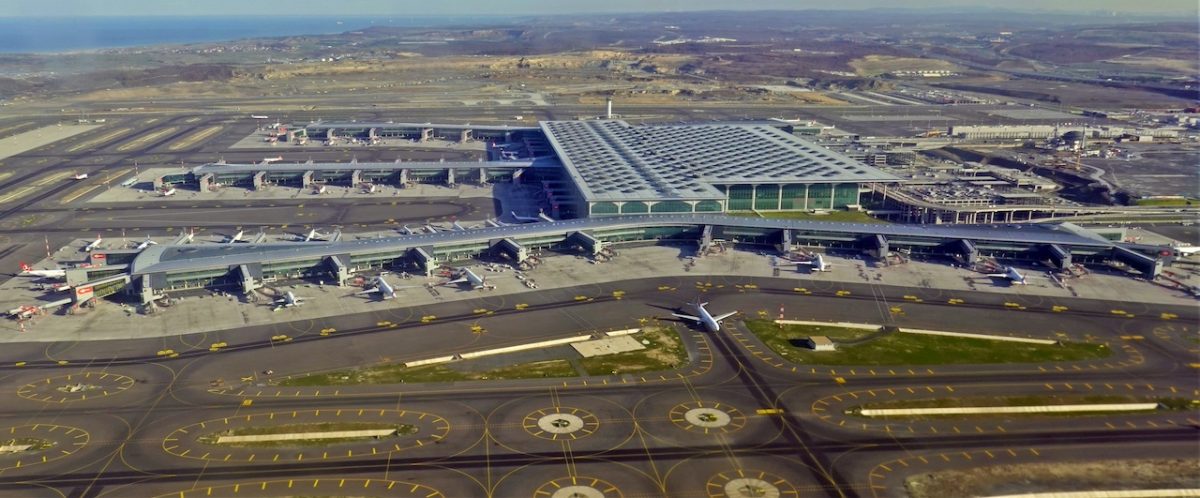
The aviation pecking order just shifted. Istanbul Airport edged past London Heathrow in July 2026 to claim the title of Europe's busiest hub by passenger volume, marking a seismic shift in continental air traffic that has renewed intense scrutiny on the UK's aging infrastructure.
The numbers tell the story. Istanbul welcomed 8.15 million passengers through its terminals in July, compared to Heathrow's 7.86 million, a gap of roughly 300,000 travelers. More stinging than the loss itself: Istanbul's traffic grew year-on-year by 2.3%, while Heathrow's actually shrank by 1.5%. This isn't a temporary blip. It signals a fundamental restructuring of European aviation hubs.
What makes this moment historic is how thoroughly Heathrow dominated the past three decades. According to the Airports Council International (ACI), the London airport held the number-one position every single year from 1996 through 2019. It slipped during the COVID chaos, clawed back to the top in 2023, and now finds itself knocked down again. For a facility accustomed to its throne, the fall stings.
Why Heathrow Stumbled in July
Before assuming this marks the permanent end of Heathrow's reign, consider what tanked its numbers last month. The biggest culprit: a 20.2% collapse in Middle East traffic. With geopolitical tensions between Iran, Israel, and the United States creating uncertainty and rerouting, thousands of passengers abandoned their usual London connections for safer alternatives.
Remove that disruption, and the airport's story looks different. Heathrow still welcomed 267,000 passengers on a single day (July 19th), its busiest so far in 2026, as the summer holidays hit their peak. Travelers were flooding out to Italy, Spain, and beyond. The hunger for London connections clearly persists.
Last August, Heathrow became the first European airport to process over eight million passengers in one month (8.04 million, to be exact). The airport finished 2025 with 84.46 million total passengers, a record that proved its capacity for volume. The infrastructure gap? That's the real problem.
The Runway Shortage That Won't Go Away
Here's where Heathrow's argument gains traction. The airport operates two runways. Both are pushed close to maximum capacity. Planes stack up. Slots are rationed. Airlines wanting to add flights find doors closed. This bottleneck doesn't just frustrate passengers trying to book departures, it threatens Britain's competitive position as a global aviation hub.
The British airport isn't shy about the stakes. "The case for expansion has never been clearer," Heathrow's leadership announced after Istanbul's takeover. "Our plans will ensure the country gets the infrastructure it needs to stay competitive and will deliver all-important economic growth."
The proposed solution: a £33 billion third runway that would push capacity to 150 million passengers annually, far above current levels. A handful of new carriers already signaled their interest by launching service in July (including ITA Airways, Alaska Airlines, and Riyadh Air), yet they're still constrained by limited available slots. A third runway would change that equation entirely.
What This Means for Travelers
For those planning European trips, the shifting hierarchy among hub airports has real consequences. Travelers routing through Istanbul may find cheaper fares or easier connections as airlines expand their Middle East presence. Those departing from London could face continued squeeze on available flights unless Heathrow's capacity increases. The expansion debate, once the domain of policy wonks and local residents, now ripples across the continent's entire travel ecosystem.
Istanbul's rise also reflects broader shifts in global aviation. Turkey sits at a geographic crossroads between Europe, Asia, and the Middle East. Its airport has been designed from scratch with modern capacity in mind. London's Heathrow, meanwhile, evolved from a small World War II airfield and has grown through patches and upgrades for decades. Comparing them exposes how geography and planning intersect in airport evolution.
Whether Heathrow regains its crown likely hinges on geopolitical stability (the Middle East disruption won't last forever) and infrastructure investment. If the third runway gets built, expect Heathrow to reclaim dominance. If expansion remains stuck in planning limbo, Istanbul's momentum could prove unstoppable. Either way, European travel infrastructure is in flux, with implications for how we move across the continent for years to come.