Castles have a way of getting under your skin. Whether it's the weight of ancient stone walls, the snap of flags catching wind on a rampart, or simply the knowledge that someone lived, fought, and ruled from that exact spot centuries ago, these structures tap into something primal in travelers. Yet finding them can be frustratingly hard. They don't always appear on standard maps, and knowing which ones deserve your time requires research that most of us don't have the patience for.
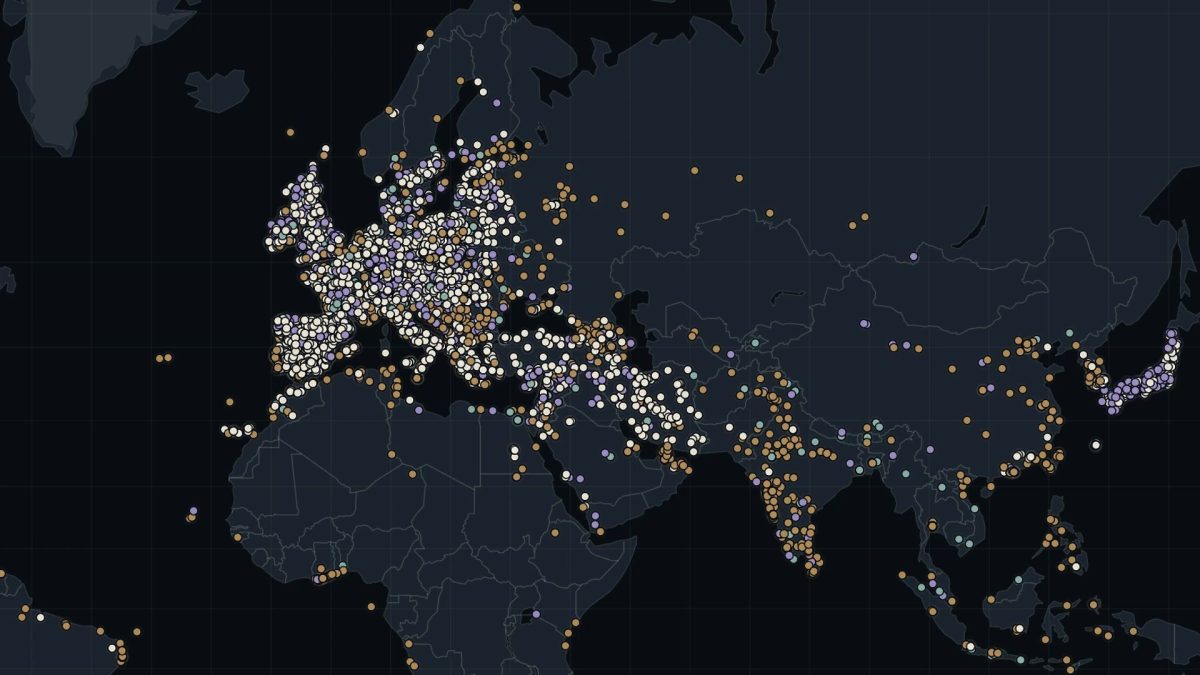
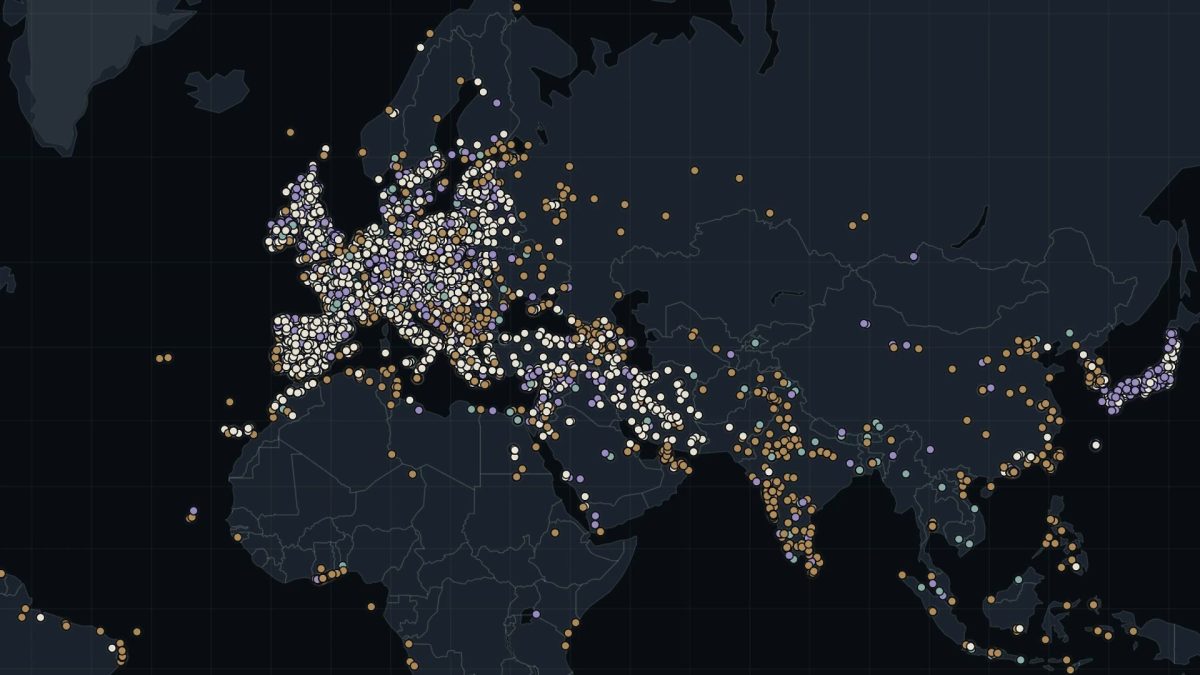
Enter Castlemap, a new free interactive tool that changes the game entirely. The platform has catalogued 7,045 castles, palaces, and fortresses across 141 countries, giving travelers a searchable atlas of architectural history they can browse from home or pull up on their phone while wandering unfamiliar regions. It's the kind of resource that transforms a casual road trip into a proper castle-hunting expedition.
How it actually works
The map is built entirely on open data, which means no paywalls, no premium subscriptions, and the ability to download it for offline use. Information comes from Wikidata (facts and founding dates), Wikimedia Commons (photographs), and Wikipedia (historical context). That transparency matters because it means the data improves over time as people contribute information from their own research and visits.
The selection process isn't random. Castlemap's developer uses a ranking system that weighs Wikipedia coverage against actual reader traffic, meaning the sites featured are genuinely notable rather than just digitally scattered across the database. The philosophy is refreshingly honest: if a castle isn't on the map, it's usually because open data about it is still incomplete, not because it lacks historical significance. You can actually help by improving a site's Wikidata entry yourself, and it'll be added during the next refresh.
What counts as what
The map breaks buildings into four categories that matter more than you'd think:
- Castles and chateaux are fortified homes where someone actually lived while defending against attack
- Fortresses and forts were built for soldiers and garrisons, not households (think star forts and coastal batteries)
- Palaces and residences are grand houses with impressive scale but minimal defensive architecture
- Ruins cover any of the above in their current decrepit state, from partially collapsed towers to completely vanished sites
This matters because a ruin tells a different story than a functioning palace. A crumbling fortress in the Polish countryside speaks to centuries of abandonment and structural decay, while a maintained royal residence speaks to continuous occupation and care.
Spain leads the charge
Spain dominates the count with 500 entries, followed closely by Germany (477) and France (465). Europe, unsurprisingly, claims the vast majority of the world's mapped castles. The architectural legacy of medieval feudalism, Renaissance wealth, and centuries of territorial conflict means the continent is essentially one giant castle museum.
Japan breaks the European monopoly spectacularly, claiming 298 listings. Castles aren't just European phenomena, and Castlemap's global coverage reveals how different cultures approached fortified architecture. Japanese castles follow entirely different design logic and aesthetic principles than their European counterparts, yet they're equally compelling to explore.
The fun part: Castleguesser
Beyond just mapping locations, Castlemap includes Castleguesser, a game where you're shown a single photograph and asked to identify which castle you're looking at. It sounds simple until you realize how many similar-looking fortifications exist across Europe, and how easily details blend together. It's the kind of game that works perfectly on a rainy afternoon or while you're waiting for a flight (though you might want to check travel disruptions before heading to the airport). It doubles as a legitimate history quiz if you're competitive about it.
Whether you're planning a carefully curated European journey or just want to know what fortified structures exist within driving distance of wherever you're staying, Castlemap removes the guesswork. The dream of castle exploration just got practical.