There's a corner of international commerce that most travelers never see: the shadowy pipeline moving fighting roosters across oceans for illegal bloodsports. Korean Air just decided to get out of the business.
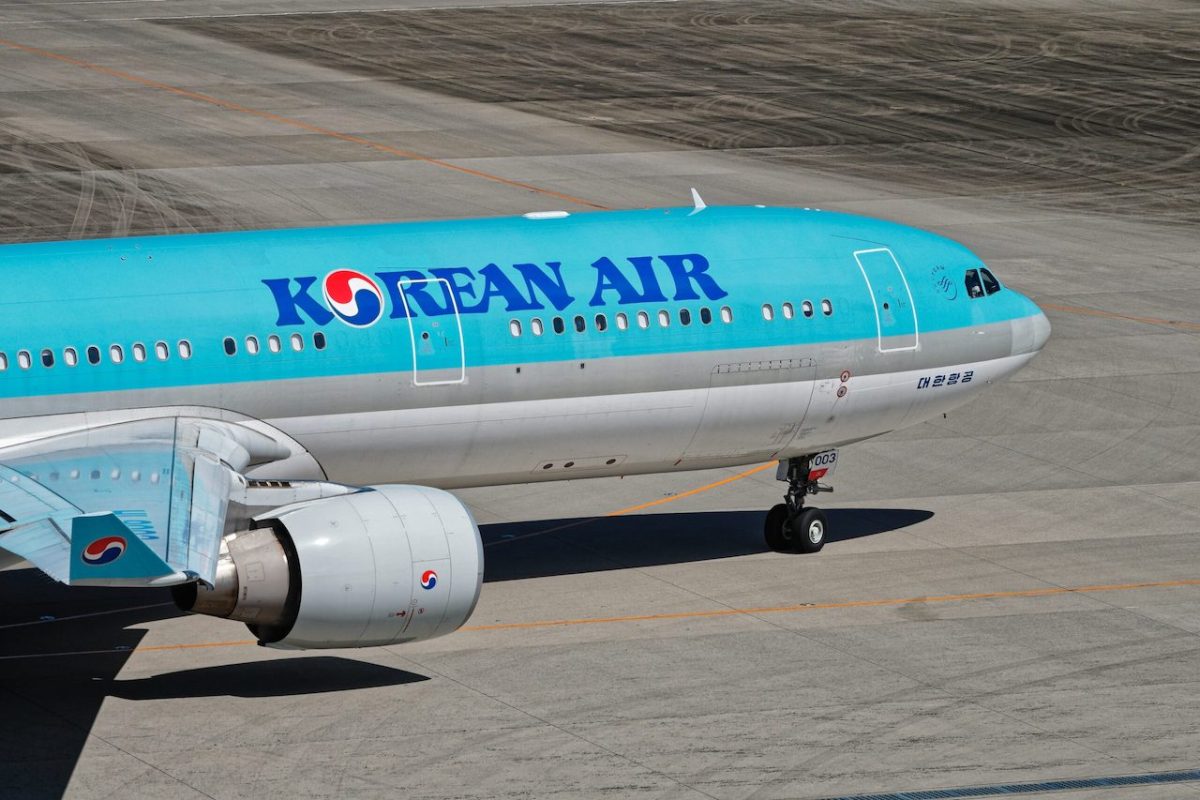
The South Korean carrier announced it has suspended all rooster transportation on routes between the United States and the Philippines, closing off what animal rights investigators claim was a major trafficking corridor. While the airline's official statement stuck to corporate language about "lawful and safe transport of live animals," the real driver here is cockfighting, an ancient but brutal practice where roosters are pitted against each other until one dies.
A Billion-Dollar Shadow Industry
Cockfighting might sound like a relic of the past, but it's thriving in parts of Asia, Latin America, and Spain. The Philippines in particular has maintained a complex relationship with the sport, banning online betting in 2022 while the live version continues in rural areas and underground venues. The economics are staggering: a single premium fighting bird can fetch $2,000, and estimates suggest some 40,000 roosters flow from the US to the Philippines annually, totaling roughly $80 million in trade.
So why does America, where cockfighting is illegal in all 50 states, remain the world's top breeding ground for these birds? US breeders have cultivated particularly aggressive strains over decades, and these animals command premium prices in illegal markets. Criminals posing as legitimate breeders are said to ship "tens of thousands" of birds yearly, exploiting America's "second to none" reputation in breeding materials, according to one Filipino farmer interviewed about the trade.
Pressure from Activists Forces Change
This shipping route didn't close itself. Korean Air faced months of pressure from animal welfare organizations, most prominently PETA in the Philippines and Animal Wellness Action, which launched investigations and pursued direct talks with the airline. Animal Wellness Action called out Korean Air as "the biggest global air carrier of illegally trafficked fighting birds," a designation the company clearly wanted to escape.
The impact matters beyond one airline's reputation. When major carriers like Korean Air change policies, other airlines take notice. PETA's Philippine branch has already called on competitors to follow suit, and the ban signals that international pressure can actually shift corporate behavior on issues that operate in the shadows.
What Comes Next
The rooster ban sits at an intersection where travel, animal welfare, and globalization collide. It's a reminder that the cargo holds of passenger jets carry stories far beyond luggage and parcels. For travelers, it underscores how your choice of carrier matters, and how public pressure on airlines can create real change on issues that barely register in mainstream conversation.
Whether other carriers will follow Korean Air's lead remains an open question. But the ban proves that even industries operating quietly in the margins of global commerce can be exposed, challenged, and reformed. Sometimes all it takes is the right organizations asking the right questions.