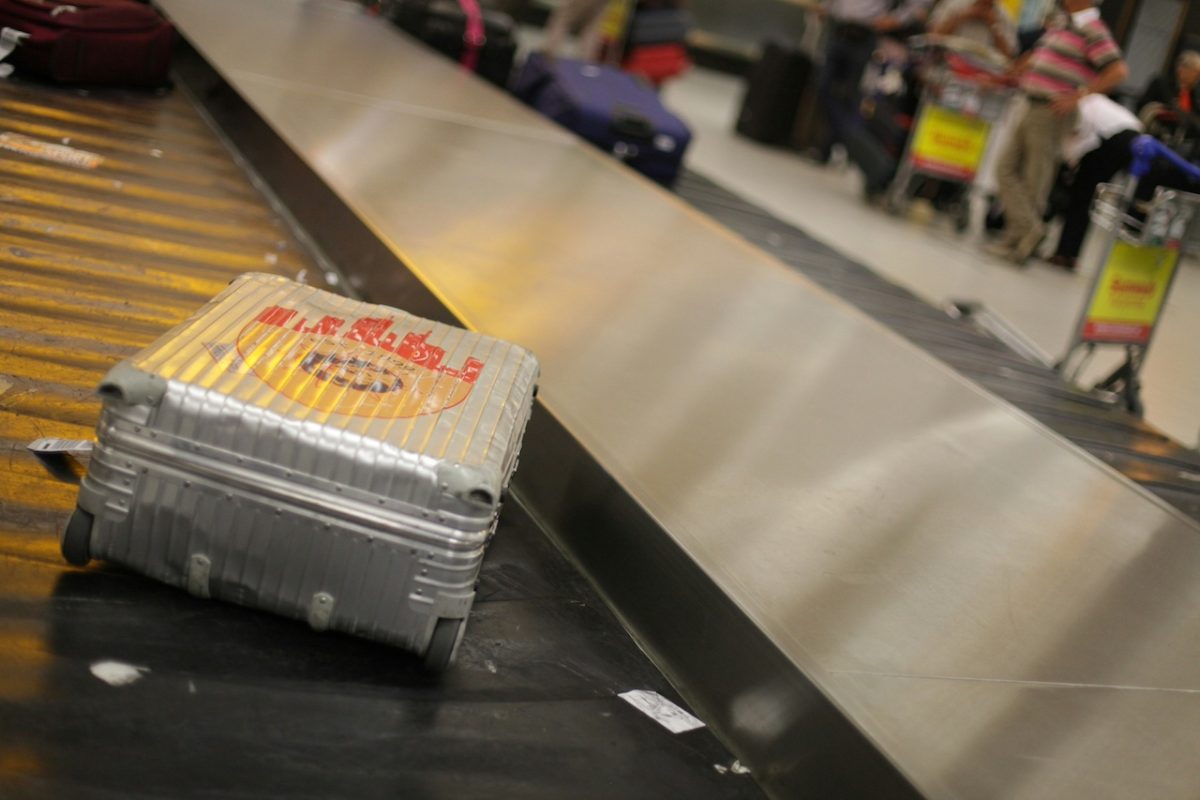
Every year, roughly the same miracle happens at baggage claims worldwide. You circle the carousel, your heart sinks for a moment, then your scratched-up suitcase tumbles out right on cue. Modern tracking technology has gotten so good that over 99.5% of checked bags find their way home. But what about the rest?
That fractional failure rate spawns a treasure trove of abandoned goods that ends up at Unclaimed Baggage, a Tennessee-based firm that gives lost items a second life. Their latest annual "Found Report" is less about logistics and more about human nature, and it reads like a cabinet of curiosities from a half-forgotten museum.
The Oddball Haulers Among Us
In 2026, travelers parted ways with a 10-karat gold and diamond grill (for dental bling that would make any hip hop artist jealous), a full beekeeping suit, Samurai swords, a teak didgeridoo, and a meteorite. Someone also checked a suitcase containing nothing but rat poison and another stuffed to the brim with 12-pack tins of sardines. The sheer logistics of moving some of these items across tarmacs and through cargo holds makes you wonder: why bother?
"Each year, I am amazed at the treasures discovered in luggage and what it reveals about our society," Bryan Owens, the company's owner, said in a statement. His point lands hard. We live in an era of unprecedented travel volume, yet people still trust expensive, irreplaceable, and downright bizarre objects to the mercy of handling crews and conveyor belts.
The Real Money Hiding in the Luggage Hold
The monetary side tells its own story. The top three most valuable finds this year included white diamond earrings worth USD 43,000, a solid steel Rolex with an 18-karat gold and diamond dial valued at USD 35,000, and a Tosca Bass clarinet estimated at USD 17,500. These are not items you casually toss into checked luggage without a second thought. These are investments. These are legacies.
Yet the most common orphaned item? A men's T-shirt. Unclaimed Baggage logged nearly 210,000 of them in a single year. Apparently, that plain cotton crew neck is infinitely easier to abandon than a priceless musical instrument or a six-figure piece of jewelry.
Pop Culture Flotsam and Forgotten History
For collectors and nostalgia hunters, the quirky discoveries offer genuine treasure hunting opportunities. A 1960s Ken doll with its original carrying case materialized in Lost and Found. So did a 1957 letter addressed to Marilyn Monroe and a 1900s Kellogg candlestick telephone. These items sit somewhere between junk and artifact, valuable mostly to the right person with the right obsession.
The animal finds deserve their own category: taxidermy deer forms, a frog purse, and a giant stuffed goose all made the list. If you've ever wondered whether your life-size taxidermy project was worth checking as baggage, these discoveries suggest maybe not.
How Unclaimed Baggage Actually Works
Here's the mechanism behind all this: airlines and their tracking systems work hard to reunite you with your luggage, and it usually works. Only when an item has vanished for three months and all tracing efforts have been exhausted does Unclaimed Baggage step in. They assess retail value, sell items through physical stores and online, donate some to charity, or upcycle what they can. Every object gets a chance to matter again.
"To maximize each item's potential for a second life," as their website frames it, is the entire operation. Telling these stories publicly also keeps travelers curious about the company's mission and, just as importantly, makes them think twice about what they're packing.
Five Smart Moves to Keep Your Stuff Yours
If you'd prefer not to join the lost luggage hall of fame, the experts offer straightforward advice:
- Label everything, inside and out. Your name, phone number, email. Make it impossible to ignore.
- Make your bag stand out. Black luggage blends into every carousel worldwide. Throw a bright sticker on it, wrap a distinctive ribbon around the handle, paint your initials on the side. Be the person whose bag is impossible to confuse.
- Arrive early and avoid gate checks. Late check-ins and last-minute gate-level baggage transfers are the number one culprits for lost luggage. When your bag must be gate-checked, photograph the new tag and confirm it matches your final destination with the agent before the door closes.
- Deploy a smart tracker. An AirTag or Google Find My device tucked into an interior pocket costs less than a decent meal and could save you thousands.
The annual report from Unclaimed Baggage reminds us that travel, for all its modern conveniences and tracking systems, still involves a bit of surrender. The Rolex will show up. The Ken doll might not. Either way, someone, somewhere is discovering the stories you left behind.