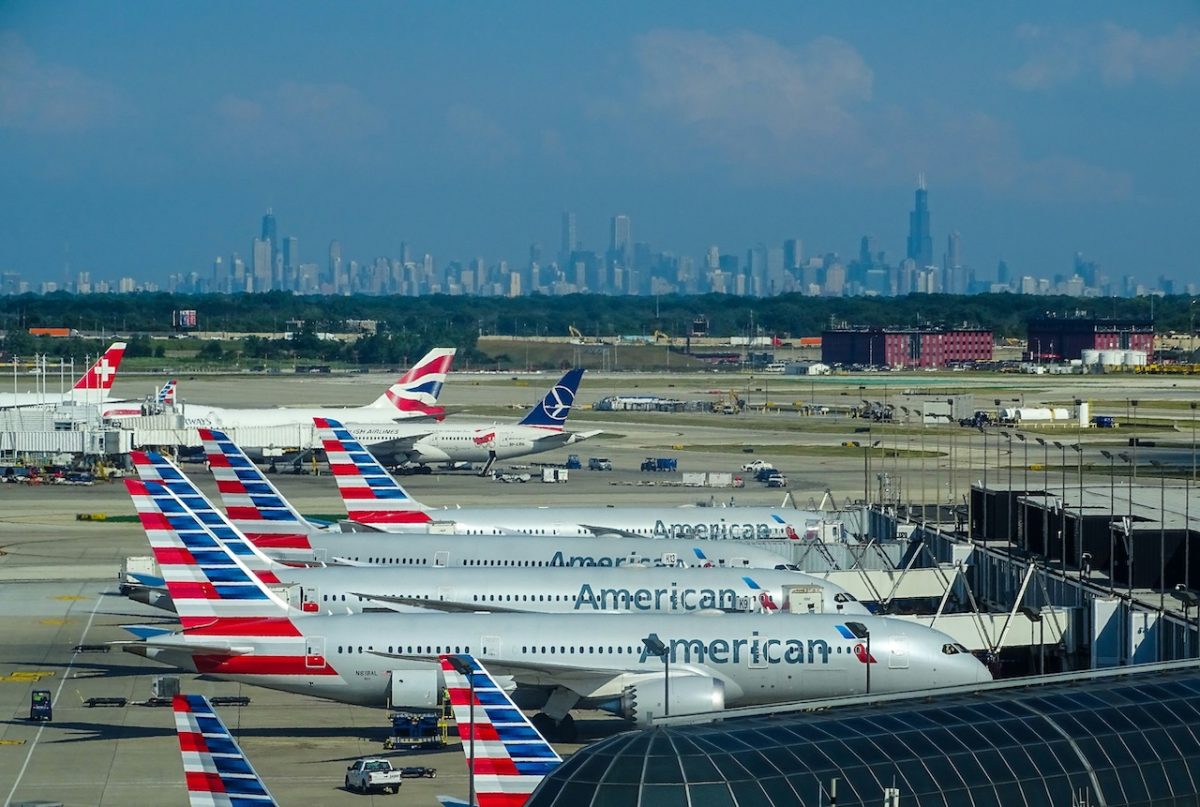
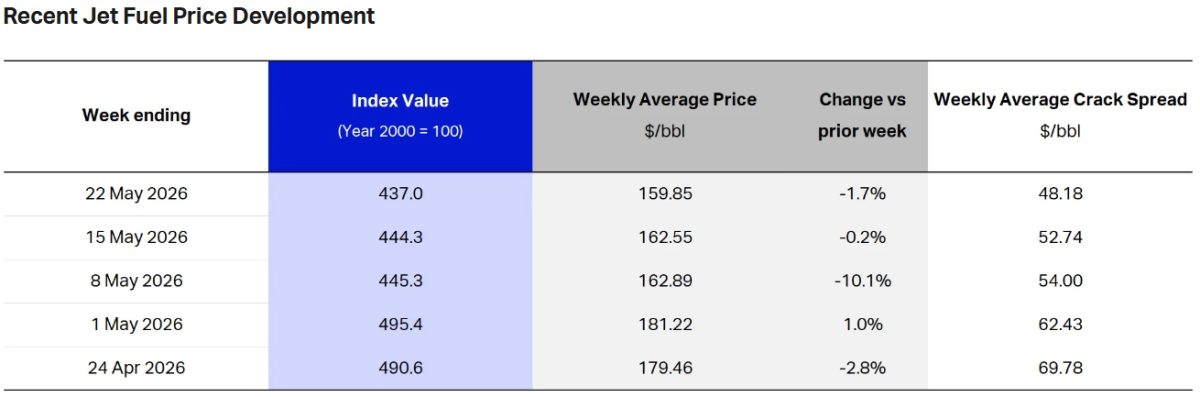
American Airlines just threw down a confident bet at an investor conference this week. Despite fuel costs climbing billions of dollars higher than expected, CEO Robert Isom announced the carrier isn't cutting its profit forecast. That takes guts. It also reveals something telling about who's actually keeping airlines profitable right now.
The numbers tell a K-shaped story. Wealthy travelers and business fliers are spending like the economy is booming, while budget-conscious passengers are tightening their belts. This divide is the secret sauce keeping American's balance sheet intact. Isom noted that premium-cabin demand and corporate travel have grown 13 percent year over year, and the airline is running at about 80 percent capacity for the second quarter. People still want to travel, he insisted during a Bloomberg TV interview, and travel remains a relative bargain compared to other experiences.
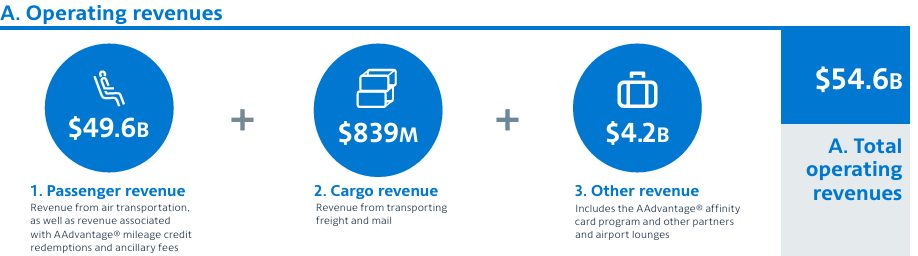
The timing of Isom's comments is interesting. They came just days after Memorial Day weekend, when TSA checkpoint traffic dipped nearly one percent compared to last year, hitting roughly 16.1 million travelers. On the surface, that sounds like trouble. But Isom's focus stayed laser-sharp on the bright spots. Leisure demand is running hot, and corporate bookings are surging. The airline filled its planes and pocketed premium fares while economy-class seats went empty more often than they should.
The aftermath of Spirit Airlines' collapse
One oddity worth mentioning: American saw a short-term bump in basic-economy ticket sales after Spirit Airlines went bankrupt. Rivals including Southwest, Frontier, Breeze Airways, and Allegiant all rushed to fill the budget-airline void. But that uptick accounted for only 1.5 percent of the market and has since evened out. Budget airlines occupy a smaller slice of air travel than many assume, and when one vanishes, the gains don't sustain long.
Isom's confidence about near-term demand echoes what United Airlines leadership said at the same conference. Both carriers are betting that passengers will keep flying despite geopolitical uncertainty and consumer caution. American is banking heavily on summer 2026, when it expects 75 million passengers, and it's preparing the fleet accordingly.
The premium gamble and fleet expansion
Here's where American's strategy gets aggressive. The airline is doubling down on high-margin products. It's expanding lie-flat seats at twice the rate it's adding main cabin capacity, betting that wealthy travelers will pay substantial markups for comfort. Sales techniques, seat distribution changes, stronger hub operations, and baggage fees all feed into revenue growth that offsets fuel price shocks.
This approach makes sense if you follow the money. Premium seats generate five to ten times the revenue per seat compared to basic economy. A single first-class passenger can subsidize multiple economy fliers. So when Isom talks about shielding the airline from a potential 4 to 5 billion dollar hit in fuel costs, he's really saying that high-income passengers are his insurance policy.
That said, American's recent forecast revision in hindsight looks less rosy. The carrier downgraded 2026 earnings expectations from 1.70 to 2.70 dollars per share to between 0.40 and 1.10 dollars per share. Second-quarter revenue is expected to grow 15 percent year over year, though that depends on a 5 percent boost in flying capacity. The real growth (10 percent) has to come from higher fares, not more flights.
The stock market barely reacted, with shares rising just one percent during afternoon trading. Investors seem to understand that airlines are caught between cost inflation and consumer fragmentation. Those with money spend freely. Those without are shopping harder than ever. American is betting it can make enough from the first group to offset losses from the second.
For travelers, this dynamic has real consequences. Expect to see premium seats proliferate, baggage fees climb, and basic-economy fares stay cheap but increasingly bare-bones. American isn't alone in this strategy, but its willingness to maintain profit projections while fuel costs spiral suggests the airline believes in its premium-focused playbook. Whether that works over the long term depends on whether wealthy travelers keep flying at current rates.