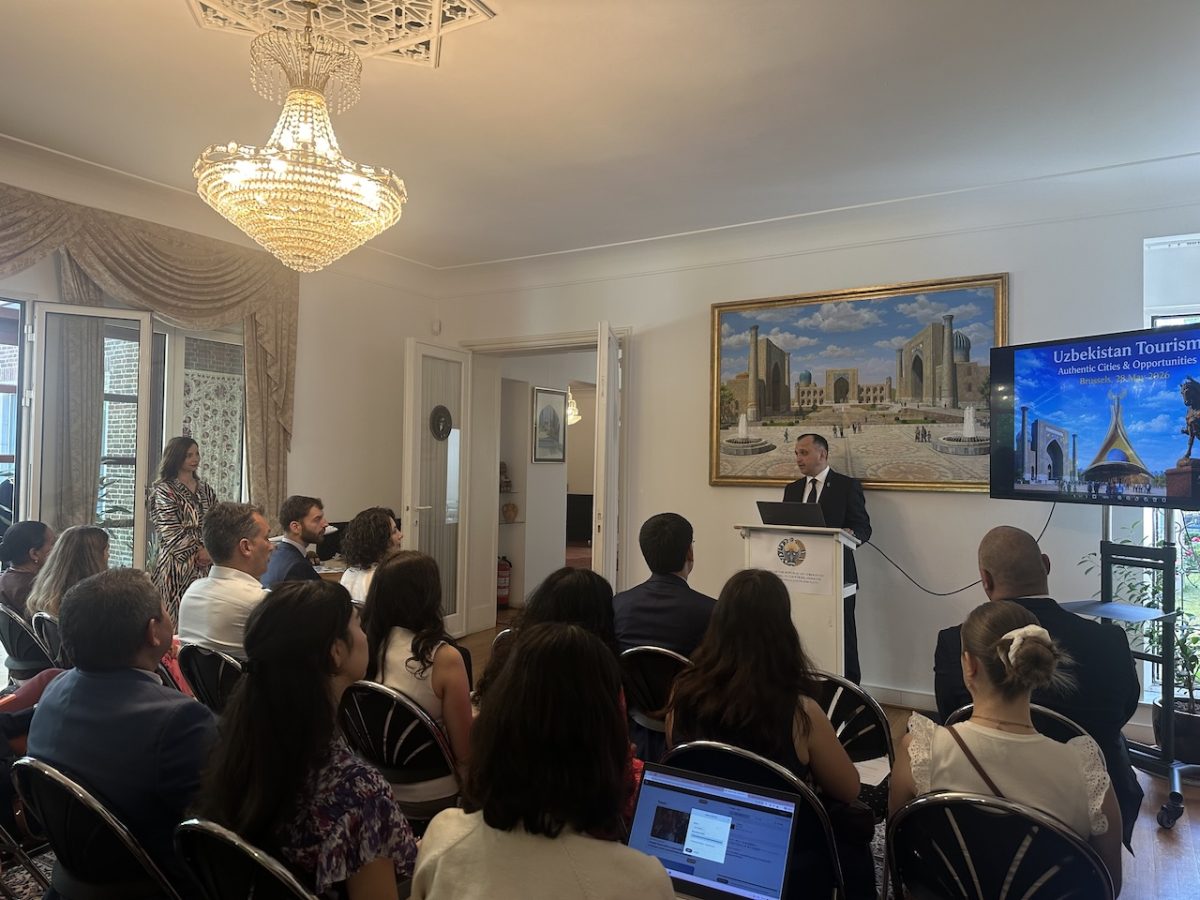
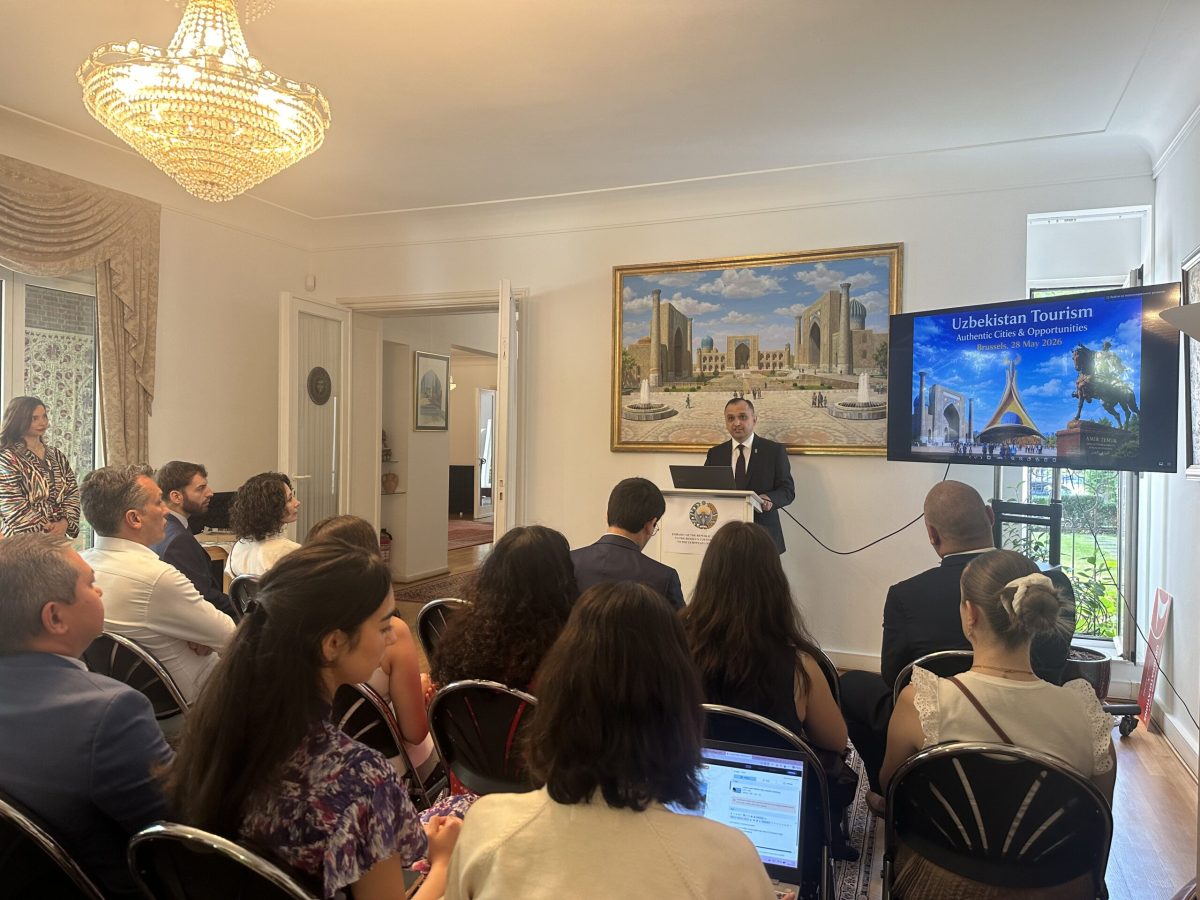
Something quiet is happening in Central Asia. While most of Europe's attention stays fixed on the usual suspects, Uzbekistan is building a tourism machine that could rival destinations a fraction of its distance away. A recent event at the Embassy of Uzbekistan in Brussels made clear that the country isn't waiting for travelers to discover it on their own. It's coming after them, specifically targeting Belgium, the Netherlands, and Luxembourg with a fully loaded playbook.
The ambition is staggering. Uzbekistan wants 20 million annual visitors by 2030, up from around 4 million today. Tourism's contribution to the national economy is supposed to nearly double, from 3.5% to 7%. The country is aiming to generate more than 6 billion dollars in annual tourism exports. And to make all that happen, they're not just talking. They're building. Thirty-four tourism master plans are underway. Thirty-one new travel facilities are under construction. Nearly 950 billion soums (hundreds of millions of dollars) were allocated just this year for sector development. Hotels are multiplying, with plans to double the number of four- and five-star properties and reach 95,000 total rooms nationwide.
The early numbers suggest it's working. In just the first four months of 2026, Uzbekistan recorded roughly 4 million foreign arrivals, a 30% spike compared to the same window last year. Tourism exports have already hit about 1.6 billion dollars. That's not a destination finding its feet. That's a destination that's found them and is running.
More Than Just Silk Road Nostalgia
Yes, Uzbekistan sits where the ancient Silk Road once connected continents. But the country isn't betting its future on heritage tourism alone. It's diversifying hard. Ecotourism, food tourism, ethnographic experiences, pilgrimage routes, medical tourism, sports events, and MICE travel (business conferences and meetings) are all part of the pitch. The strategy is clever: spread the appeal across seasons and traveler types so the country isn't dependent on one narrow segment. A food lover in winter, a hiker in spring, a business traveler in autumn. Someone will always want to visit.
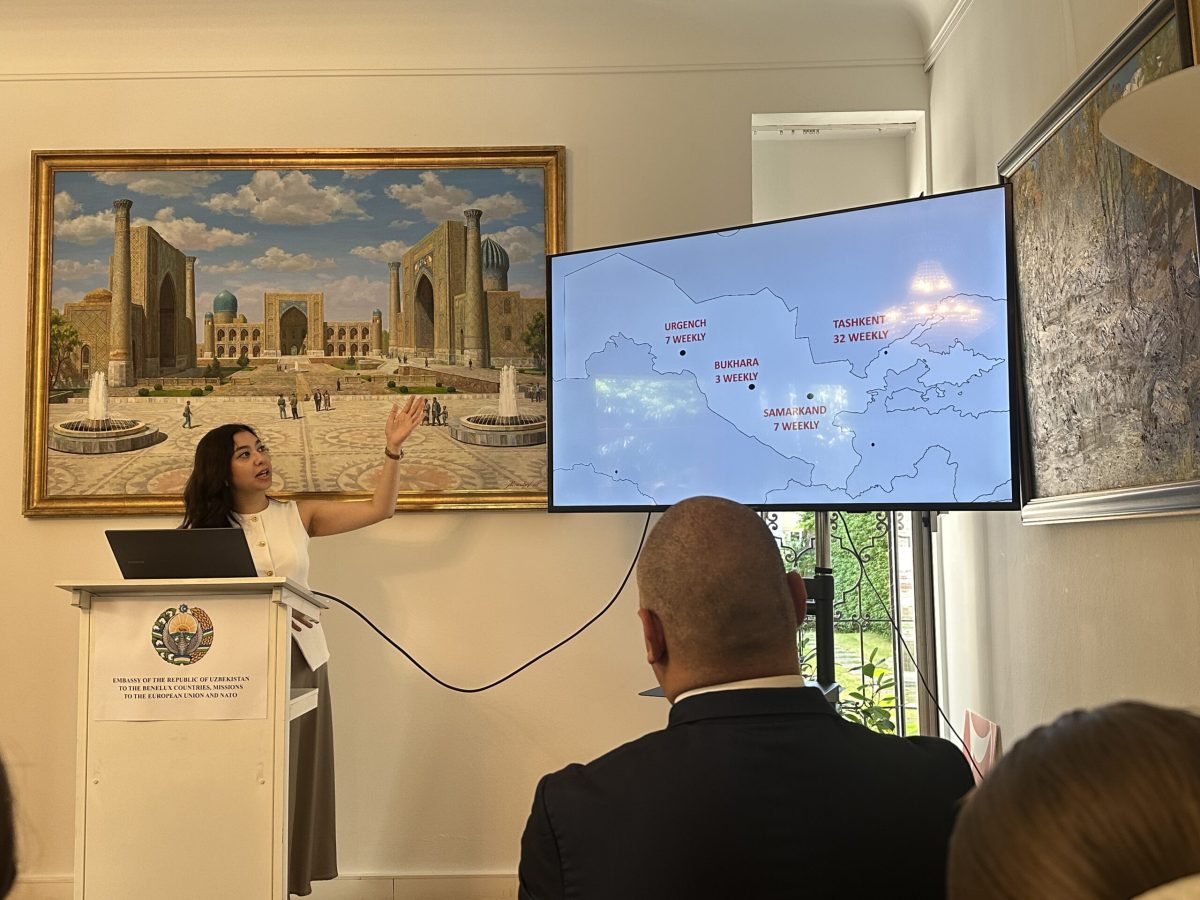
Ambassador Gayrat Fazilov, who led the Brussels pitch, framed it this way: "Located at the crossroads of the ancient Great Silk Road, Uzbekistan has for centuries served as a bridge between civilizations, cultures and trade routes. Today, this historical legacy is being transformed into a modern and highly attractive tourism destination." He also emphasized something that matters to European travelers: the country is simplifying its visa process and expanding visa-free access for many European nations.
Getting There Is Easier Than You Think
One reason Uzbekistan's timing is good has everything to do with connectivity. Turkish Airlines, which operates over 500 aircraft and carries more than 90 million passengers annually, has made itself the bridge between Europe and Central Asia. The carrier runs multiple daily flights from Brussels to Istanbul, with onward connections to Tashkent, Samarkand, Bukhara, and Urgench. For European travelers, that means you're looking at one stop, not three. Its Istanbul hub has become a serious transit point, with over 500 check-in counters and premium lounges. For passengers with 6 to 24-hour layovers, Turkish Airlines even offers free guided tours of Istanbul, or hotel accommodation if you need longer.
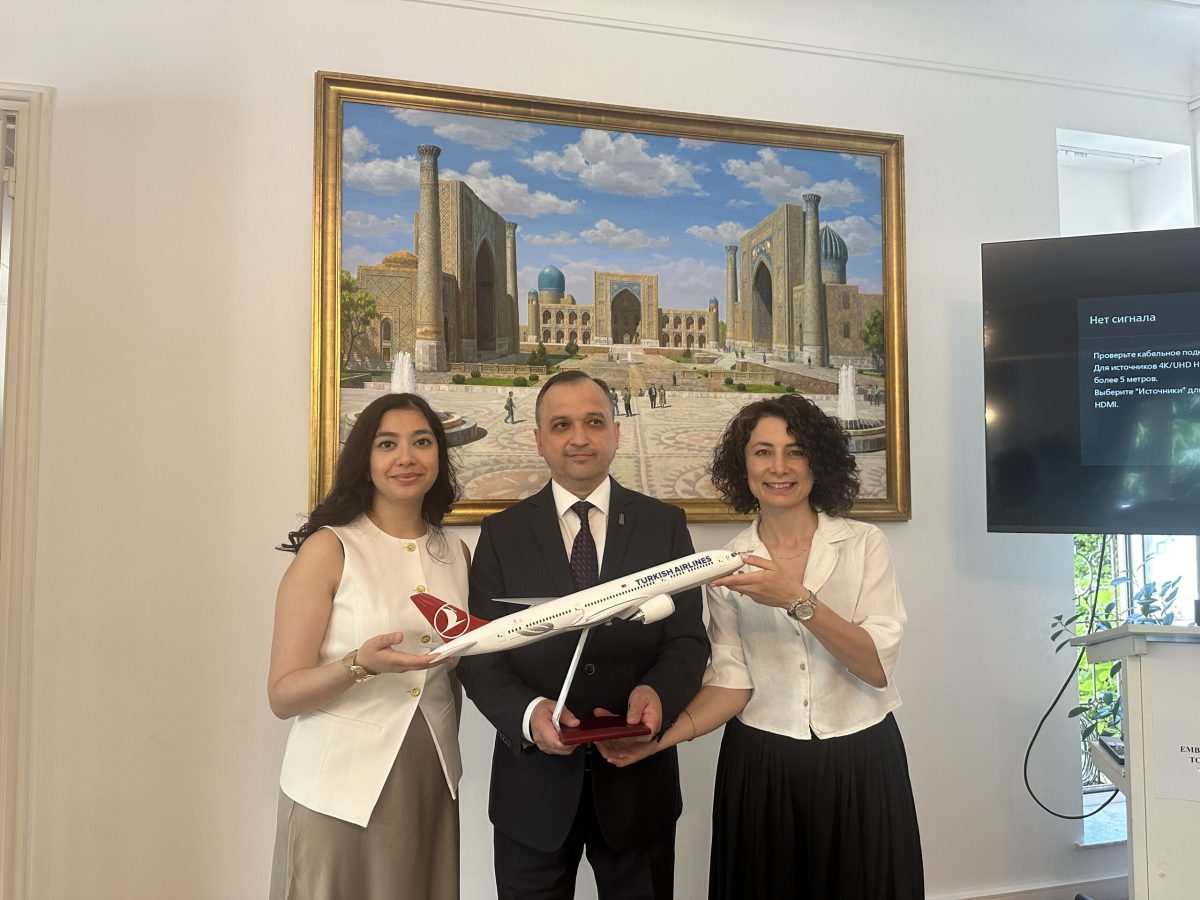
The airline has also been investing in passenger comfort. Its new Crystal Business Class features fully flat beds, enhanced entertainment, free Wi-Fi, live television, and what it calls "flying chef" service for premium diners. It's not a small detail. If you're flying 10-plus hours from Brussels to Central Asia, your seat matters.
What Travelers Actually Find When They Arrive
António Buscardini, Uzbekistan's Tourism Ambassador to the Benelux region, described the country as "one of the most dynamic tourism transformations in the world." He's seen the shift firsthand. "What always strikes me is the extraordinary hospitality of the Uzbek people," he said. "There is a warmth and generosity that travelers immediately feel." That's not marketing speak. Anyone who's traveled through Central Asia knows the region's reputation for genuine hospitality is earned.
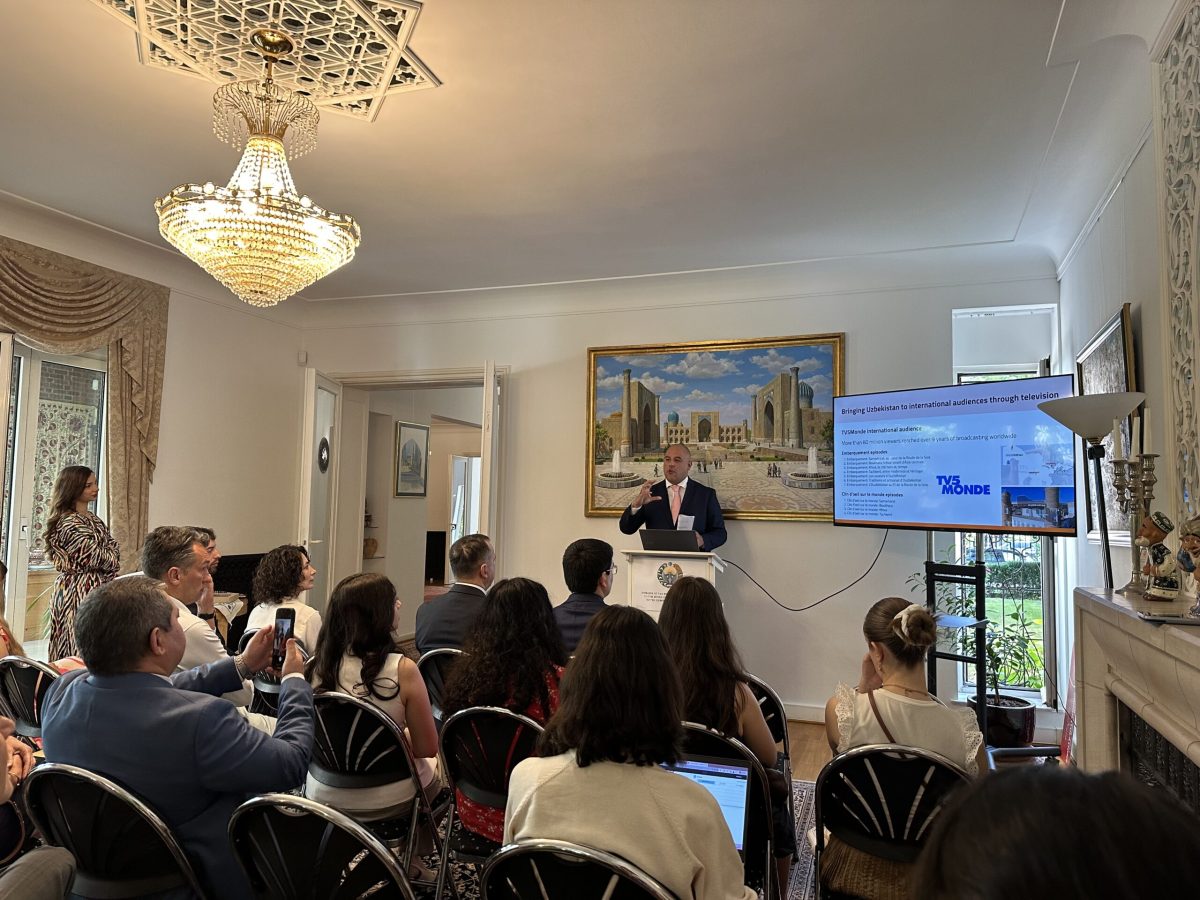
What's new is that this hospitality now meets proper infrastructure. Roads are being upgraded. Public facilities are expanding. Hotel stock is growing. Domestic rail links are improving to connect major cities. These aren't flashy upgrades, but they're the ones that actually matter to travelers. Getting from one ancient city to another shouldn't feel like an adventure in logistics.
The Brussels event confirmed what's becoming clear across the region: Central Asia is reshaping its tourism profile, and Uzbekistan isn't waiting for permission. It's investing heavily, opening doors to European travelers, and building the infrastructure to handle them. For travelers tired of the same European circuits, or looking for somewhere that feels genuinely different without being impossibly remote, Uzbekistan is suddenly worth paying attention to. The country isn't emerging as a destination anymore. It's arrived.