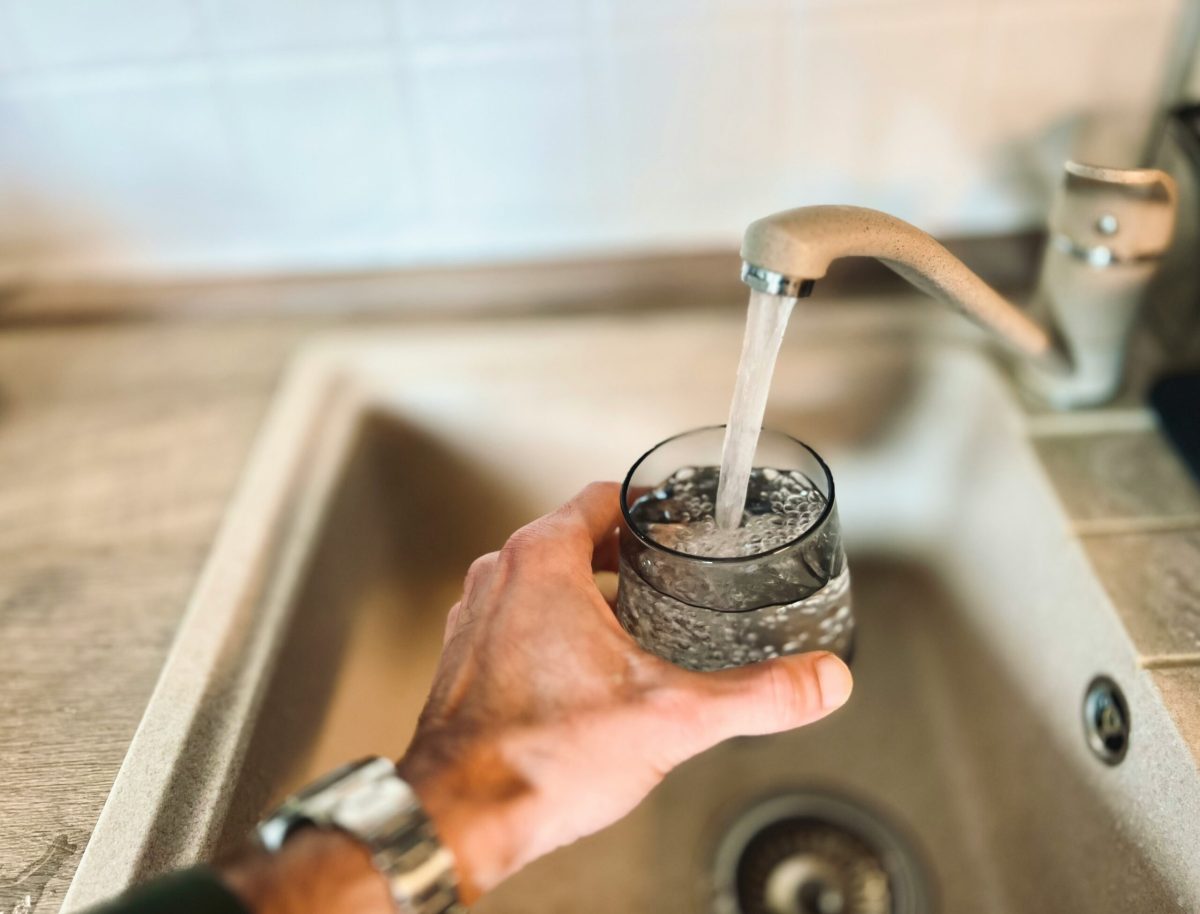
In a ruling that highlights the stark difference between Italian hospitality customs and those of other European countries, Italy's Supreme Court of Cassation has decided that hotels and restaurants have no legal obligation to provide tap water to guests. The verdict caps off a years-long legal battle that began during the 2019 ski season at a luxury property in the Dolomites.
The story centers on a guest from Rome who stayed at the five-star Hotel Sassongher in Corvara on a half-board package. Her dinner was included, but beverages were not. Each evening when she sat down to eat, she asked for tap water instead of bottled mineral water. Staff refused. Night after night, a 0.75-litre bottle of Acqua Naturale appeared on her table, charged at 7 euros. Even when she offered to pay for tap water, the hotel maintained its policy. Only sealed bottles would be served.
Frustrated and feeling her basic consumer rights had been violated, the guest pursued legal action. Her argument was straightforward: water is a natural resource and a fundamental human right. Access to tap water, she contended, should be treated like any other essential service a hotel provides, the same way guests expect clean sheets on the bed or soap in the bathroom. She sought 2,700 euros in compensation for emotional distress and economic harm.
What the Court Decided
Lower courts dismissed the case before it eventually reached the nation's highest judicial body. The Supreme Court of Cassation ruled in the hotel's favour. Silvio Belardi, the lawyer representing the establishment, explained that the judges affirmed there is no legal requirement for restaurants or hotels to provide drinking water to customers. He noted that if a guest wanted running water, they could access it elsewhere in the hotel, just not at the restaurant table. The court ultimately concluded that Italian law does not compel establishments to offer tap water, leaving the decision entirely up to individual businesses.
A Cultural Divide Across Europe
For anyone who has travelled widely across Europe, this ruling reflects a genuine cultural split. In the United Kingdom, France, and Spain, requesting tap water at a restaurant is completely normal and widely accommodated. Visitors to those countries rarely think twice about ordering agua del grifo or agua de la canilla. Italy, however, operates under different norms. Bottled mineral water sits so deep within Italian dining culture that asking for tap water can feel socially awkward, even crude, to some locals.
Belardi stressed that the hotel's practice reflects common behaviour among upscale establishments throughout Italy. Sealed bottled water on the table is standard at fine dining establishments across the country. This cultural preference has remained largely untouched for decades, even as dining practices elsewhere in Europe have shifted.
The Sustainability Question
Yet the case has sparked broader conversation about what's changing in Italy's hospitality sector. A growing number of travellers now actively seek to reduce plastic waste and avoid unnecessary purchases of bottled water during their trips. Environmental consciousness is slowly reshaping expectations, even in tradition-bound corners of European travel.
Some Italian restaurants have begun responding to these concerns by offering filtered water alternatives, signalling that the cultural moment may be shifting. But the Supreme Court's decision suggests that legal pressure won't accelerate this change. Establishments remain free to keep their bottled-only policies if they choose.
The court rejected the guest's compensation claim, ruling there was insufficient evidence of financial or moral harm. In the eyes of the law, losing a few euros over several meals on something she didn't legally have a right to receive in the first place didn't constitute damages worth awarding.
For anyone planning a ski holiday in Italy or dining at high-end restaurants throughout the country, the takeaway is clear. If you want to avoid bottled water charges, ask directly whether tap water is available and what it costs before ordering. Expect the answer might be no. And if you're passionate about reducing plastic consumption while travelling, you may find Italy's dining culture frustratingly at odds with your values, at least until more establishments embrace change on their own terms.