Three weeks of federal limbo turned America's airports into a traveler's nightmare. Then, just as suddenly as it vanished, Global Entry was back. The expedited screening program returned on March 11, 2026, but its brief disappearance exposed something far bigger than a bureaucratic hiccup: the fragility of travel infrastructure when government runs out of money.
What Global Entry Does (And Why People Miss It)
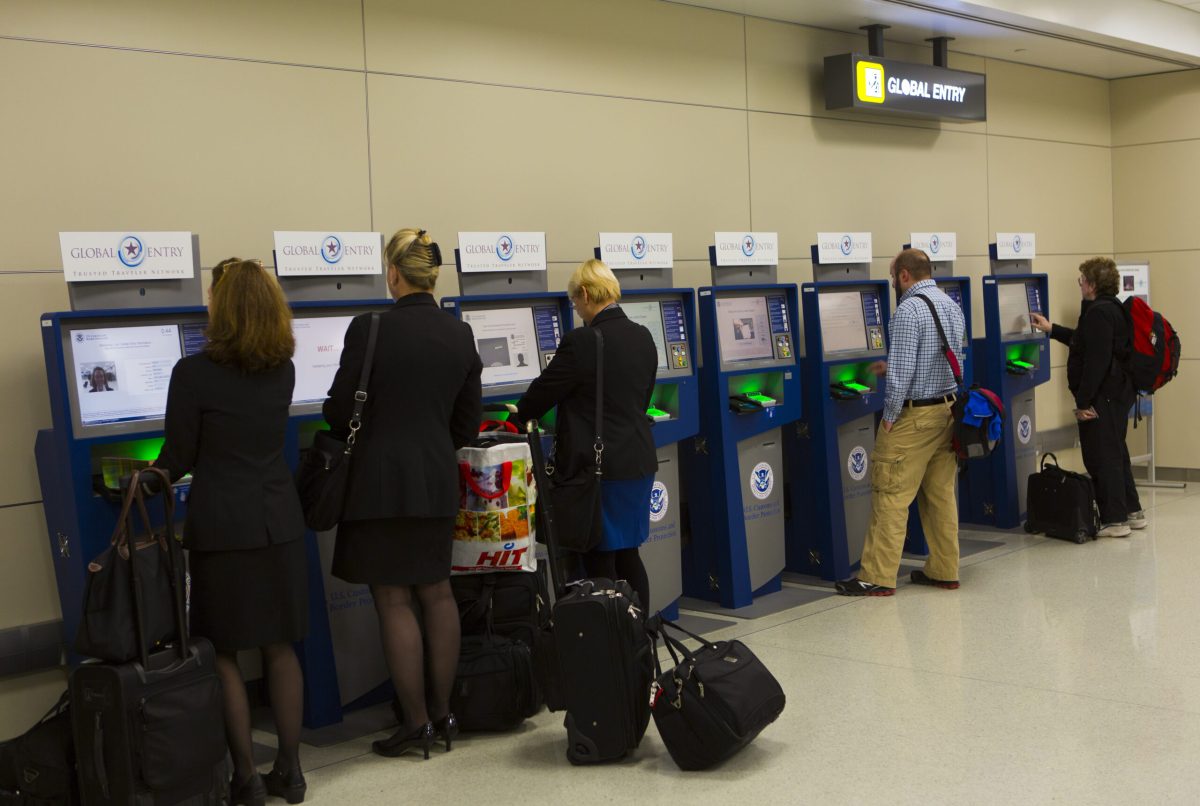
For those unfamiliar with the program, Global Entry lets pre-approved travelers breeze through customs and immigration using automated kiosks instead of waiting in line with everyone else. Registrants are considered low-risk visitors, so they skip the face-to-face screening that most people endure. In a typical year, this efficiency matters enormously. Last year alone, over 18 million arrivals used the system, saving border agents roughly 300,000 hours of processing time across 79 US entry points.
Think of it as a fast pass for international arrival halls. A journey that normally takes 45 minutes to an hour can happen in under a minute.
The Shutdown That Broke Everything
When the Department of Homeland Security shut down on February 22, then-Secretary Kristi Noem made a controversial call. She suspended both Global Entry and TSA PreCheck, arguing that officers needed to focus on the general traveling public instead of offering "courtesy and special privilege escorts." It sounded noble on paper. In reality, it was a bandage on a much larger wound.
The problem wasn't access to fancy kiosks. The problem was that over 300 TSA agents had quit. Some airports faced staffing shortages of up to 53 percent. Employees were working without paychecks, and not everyone can afford that kind of financial free fall. Queues wrapped around terminal buildings. Passengers missed flights. The system ground toward collapse.
By suspending Global Entry, officials hoped to reclaim processing capacity. It didn't work. The shutdown left hundreds of thousands of DHS employees unpaid, and nothing about removing an efficient screening option was going to solve mass staffing losses.
The Political Blame Game Nobody Needed
Democrats and Republicans traded accusations over who destroyed travel for millions. Senator Mark Warner pointed out that Global Entry's suspension was inflicting "pain for American travelers as a political stunt." Airlines for America's chief executive called the move deeply concerning, saying travelers shouldn't become "political footballs" during budget disputes. The DHS countered that they were simply being strategic about resources.
Meanwhile, actual travelers paid the price. Airport security programs caught in shutdown chaos meant real delays, real missed connections, and real frustration for people just trying to get home or start vacations.
The Comeback and What It Really Means
By March 11, the DHS quietly reversed course. Global Entry was back at 5:00 a.m. ET, no apology offered. The department simply stated it was "working hard to alleviate the disruptions to travelers caused by the Democrats' shutdown." Republicans framed it as common sense. Democrats saw it as an admission that the suspension was punitive from day one.
But here's what matters for travelers: the program is live again, and if you're enrolled, use it. Your membership will save you genuine time during international arrivals, which is increasingly valuable as airports continue operating below capacity.
The larger question nobody's really discussing is whether the suspension actually proved anything. Did suspending Global Entry help shore up general security lines? The staffing numbers suggest it made almost no difference. What did matter was hiring back those 300-plus agents and paying people to show up for work. The kiosk argument was a distraction from the actual crisis.
Planning Your Next Trip
If you travel internationally from US airports regularly, Global Entry remains a worthwhile investment. The program costs $100 for five years and genuinely saves time. Now that it's reinstated, renewed enrollment is open again. Just know that airport security remains under pressure. Build extra time into your travel plans, especially for international flights, regardless of whether you use expedited screening.
This shutdown saga reveals a fundamental truth about travel infrastructure: it's only as good as the funding and staffing behind it. Three weeks without Global Entry didn't cause the problem. It just made the underlying staffing crisis visible to everyone standing in those long airport queues.