Climbing Mount Kilimanjaro has always meant accepting a travel marathon to get there. But that's changing fast. Over the next couple of years, European airlines are betting big on Tanzania, rolling out new routes that promise to slash the journey time and spare travelers from the nightmare of multiple connections through Middle Eastern or African hubs.
The shift reflects something airlines have noticed: people are hungry for adventure travel that doesn't feel like a second job just to arrive. Tanzania, with its combination of world-class climbing, safari safaris, and beach escapes, sits at the heart of this boom. Brussels Airlines made the first major move by adding Kilimanjaro to its network, routing flights through Brussels. Dorothea von Boxberg, the airline's CEO, framed it simply: "Tanzania is a top destination for safaris, and we're proud to contribute to the local economy by connecting Kilimanjaro to Brussels and beyond."
But Brussels isn't alone. Neos Air, the Italian carrier, is launching seasonal flights between Milan Malpensa and Kilimanjaro starting July 2026, with plans to continue south to Zanzibar. That matters enormously for travelers in southern Europe, who've traditionally faced long routing options. The Milan route runs through October, making it ideal for the Northern Hemisphere's climbing season when the weather cooperates best.
The Big Player Enters the Game
The real headline, though, is Air Tanzania itself stepping into the London market. The carrier plans to launch direct flights from London Gatwick to Kilimanjaro International Airport starting July 2027, operating at least three times weekly. That's not a tiny experimental route; it signals serious confidence in demand from Britain. Air Tanzania also intends to add Zanzibar connections, positioning itself as a one-stop shop for anyone in the UK dreaming of combining a Kili summit with beach time on the Indian Ocean.
For decades, reaching Kilimanjaro meant accepting routing through regional hubs, often adding 8 to 12 hours to your total travel time. The direct flights change that calculus entirely. They're also evidence of something bigger shifting in how airlines think about connecting Europe to East Africa. Travelers are increasingly voting with their wallets for simpler, more efficient routes, and carriers are listening.
Why This Matters Beyond Just Saving Time
Better connectivity doesn't just help climbers. It ripples through Tanzania's entire tourism ecosystem. Guides, porters, hotel owners, safari operators, and entire communities that depend on Kilimanjaro tourism benefit when more visitors can actually get there without losing two days to airports. The mountain draws climbers from around the globe, but Europeans represent a substantial portion of those pursuing the summit. Removing friction from the trip likely means more bookings, fuller camps, and stronger income for the people who make these expeditions possible.
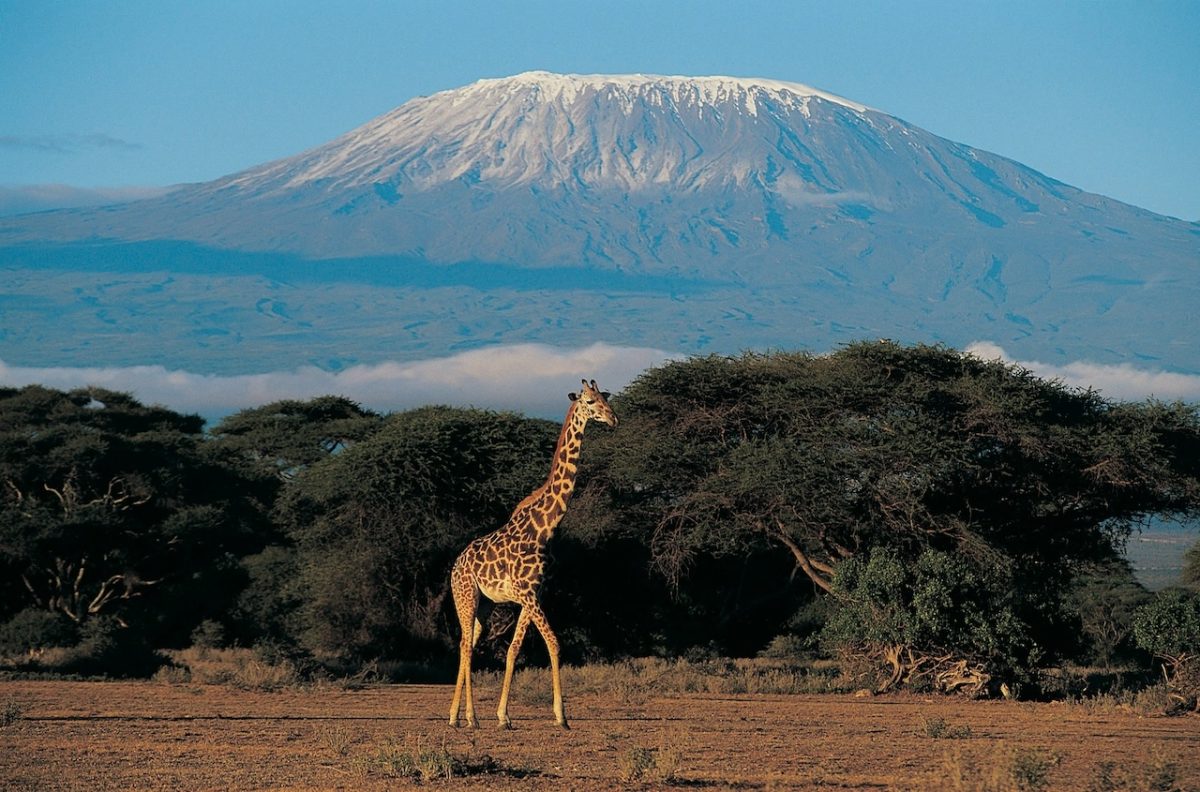
Kilimanjaro itself remains one of Africa's most visited natural landmarks, and the surrounding region (home to Mount Meru, vast game reserves, and pristine beaches) attracts everyone from hardcore trekkers to families seeking safari experiences. While European cities grow more crowded each year, Tanzania's adventure corridor offers something increasingly rare: genuine wilderness paired with reasonable access.
The timeline matters, too. Brussels Airlines is operational now. Neos Air starts in summer 2026. Air Tanzania's London route arrives in 2027. That spacing means travelers have options emerging almost every year, and competition typically drives better pricing and service improvements.
What's Next for Kilimanjaro Tourism
These route launches are just the beginning. As more airlines recognize the opportunity, expect further expansion from other European hubs. Frankfurt, Amsterdam, Paris, and Zurich could follow. The economics are straightforward: demand for adventure travel keeps climbing, Tanzania offers world-class experiences, and the missing piece has always been getting there smoothly from Europe.
For anyone considering a Kilimanjaro climb or an East African adventure, the timing is suddenly much better. You'll spend less time in airports and more time doing what you came for. That shift alone transforms how people plan these trips, whether they're combining a summit attempt with a safari or mixing climbing with beach days. The mountain isn't going anywhere, but getting to it just became a lot less painful.