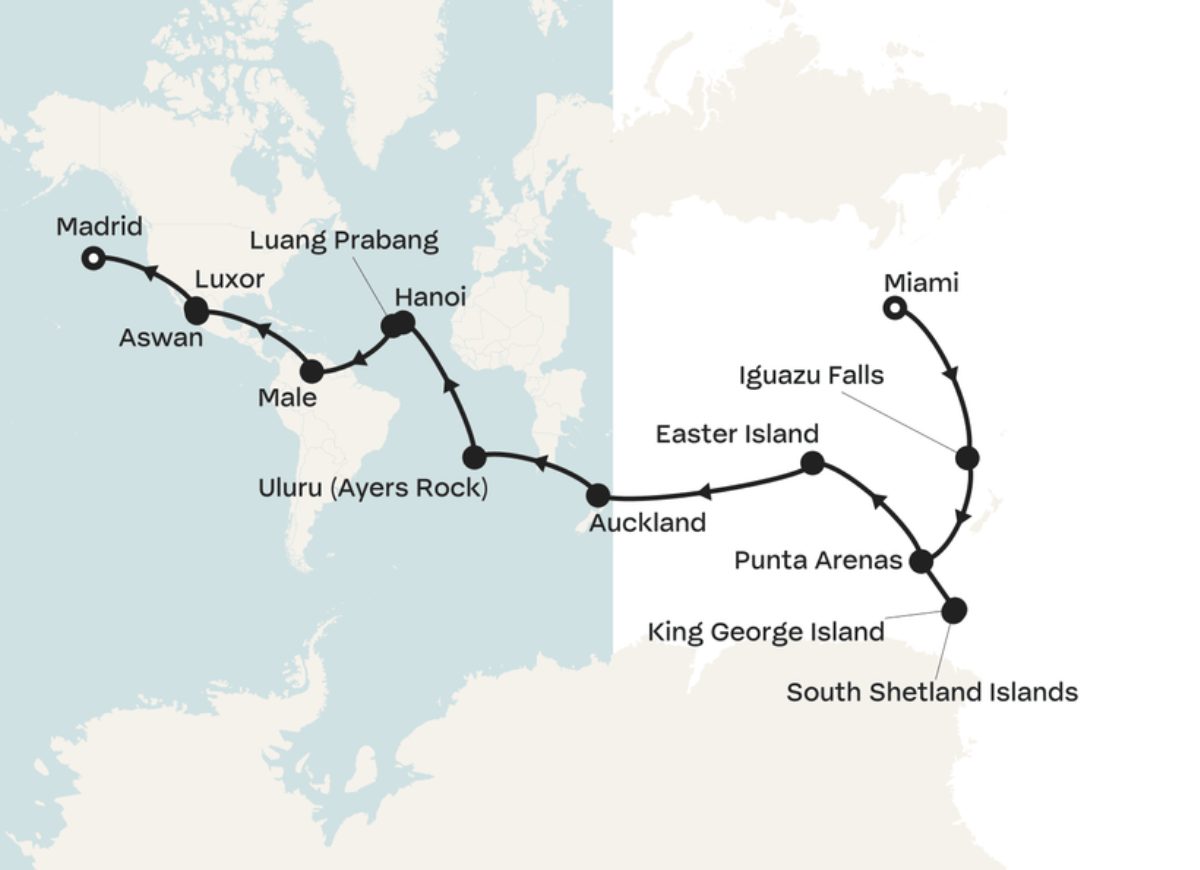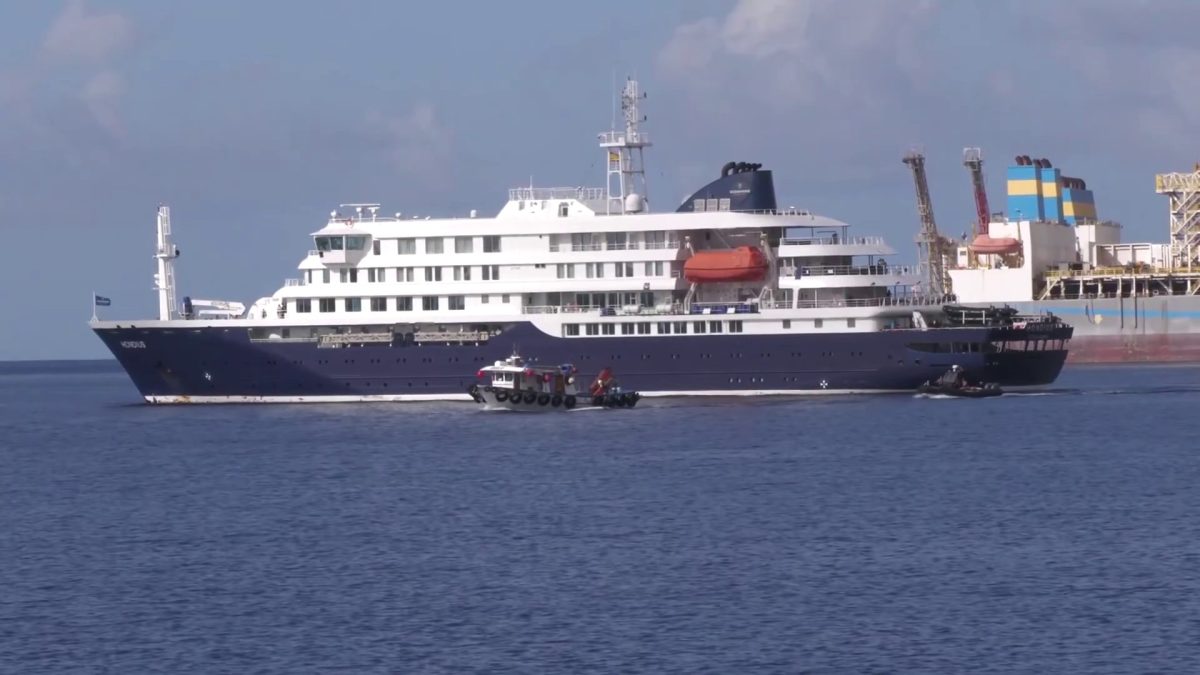
Imagine settling in for what's supposed to be the trip of a lifetime. You're aboard the MV Hondius, a luxury cruise that departed Argentina in early April 2026 with 147 passengers and crew from 23 countries. The itinerary is exotic, the ship is elegant, and you're ready for weeks of exploration. Then everything changes.
Within weeks, the vessel transformed into a floating quarantine zone. Health officials in multiple countries sprang into action. Spanish government ministers coordinated evacuation operations at the port of Tenerife. The WHO sent teams to contain the situation. By mid-May, nearly everyone had abandoned ship, but the damage was already done. Three passengers had died, and the confirmed case count kept climbing.
A Cascade of Evacuations
The evacuation operation itself became a spectacle of international cooperation and medical urgency. When the ship first anchored off Cape Verde, officials already suspected something was seriously wrong. The vessel diverted to Tenerife, where Spanish Health Minister Monica Garcia Gomez, along with WHO Director-General Tedros Adhanom Ghebreyesus, personally supervised the disembarkation. On May 10, 2026, the first wave of evacuees departed. Two days later, the last 28 passengers and crew members landed in the Netherlands, heading straight into quarantine near the Eindhoven airbase.
Not everyone left immediately. Twenty-five crew members and two medical staff remained aboard as the ship sailed toward Rotterdam for disinfection. The WHO recommended 42 days of isolation for all who departed the vessel, a stark reminder of just how serious hantavirus infection could be.
The Cases Keep Coming
The evacuation itself didn't stop new cases from emerging. Health authorities confirmed three additional diagnoses after passengers had already left the ship. A French woman fell ill on May 10, the same day evacuations began. Spanish health officials identified one positive case among evacuees who had already landed. An American passenger tested positive at a medical facility in Nebraska and was being monitored alongside 15 others at the University of Nebraska Medical Center.
In total, seven confirmed cases were documented, with an eighth listed as probable by the WHO. Three people died from the virus. The spread across France, Spain, and the United States highlighted how quickly illness can follow international travelers back to their home countries, turning a single outbreak into a multinational health crisis.
Containing the Panic
Public health officials moved quickly to reassure the public that this wasn't COVID 2.0. Tedros emphasized that hantavirus posed a lower transmission risk than coronavirus and that the nature of the disease meant community spread in Tenerife was unlikely. The Spanish government's swift response, coordinated with international health regulations, earned international praise.
Still, not everyone followed the same playbook. The United States opted out of the WHO's recommended 42-day isolation period, a decision the health organization flagged as potentially risky. U.S. Health Secretary Robert F. Kennedy Jr. stated that the Centers for Disease Control and Prevention had teams on the ground in Tenerife and that the situation was under control. But the divergence in isolation protocols underscored the ongoing tension between medical guidance and political pressures.
What happened aboard the MV Hondius serves as a sobering reminder that cruise travel carries hidden health risks that no amount of luxury amenities can eliminate. While outbreaks at sea are rare, when they occur they move fast, cross borders instantly, and demand coordinated responses that test the limits of international health systems.
For travelers considering their next ocean voyage, the story of the Hondius raises hard questions. What happens if your ship becomes a disease vector? How quickly can you actually get home? And who bears responsibility when a leisurely cruise becomes a medical emergency? The answers remain complicated, even as the industry works to rebuild trust and confidence among passengers who may now think twice before booking their next voyage.