There's a new travel romance brewing, and it's between Europe and Saudi Arabia. While the Kingdom has long been known for religious pilgrimage, it's now reinventing itself as a playground for leisure travelers. And the numbers are staggering. International leisure trips to Saudi are projected to jump 93% between 2025 and 2030, but Europe is leading the charge with a predicted surge of 130%.
These figures come from Tourism Economics, an Oxford Economics company, presented at WTM Spotlight Riyadh. Europe was already Saudi's fastest-growing long-haul market from 2019 to 2025, with visits up 61%. Now, with relaxed visa rules and a slew of mega-projects, the Kingdom is positioning itself as the next big thing in travel.
Why Europe Can't Get Enough
Germany and Italy are the standout markets, with visitor numbers from both countries expected to more than triple by 2030. The UK, France, and Spain are also steady contributors, though growth there is more modest. What's pulling Europeans in? It's a mix of ancient wonders, futuristic cities, and a hospitality scene that's been quietly world-class for decades.
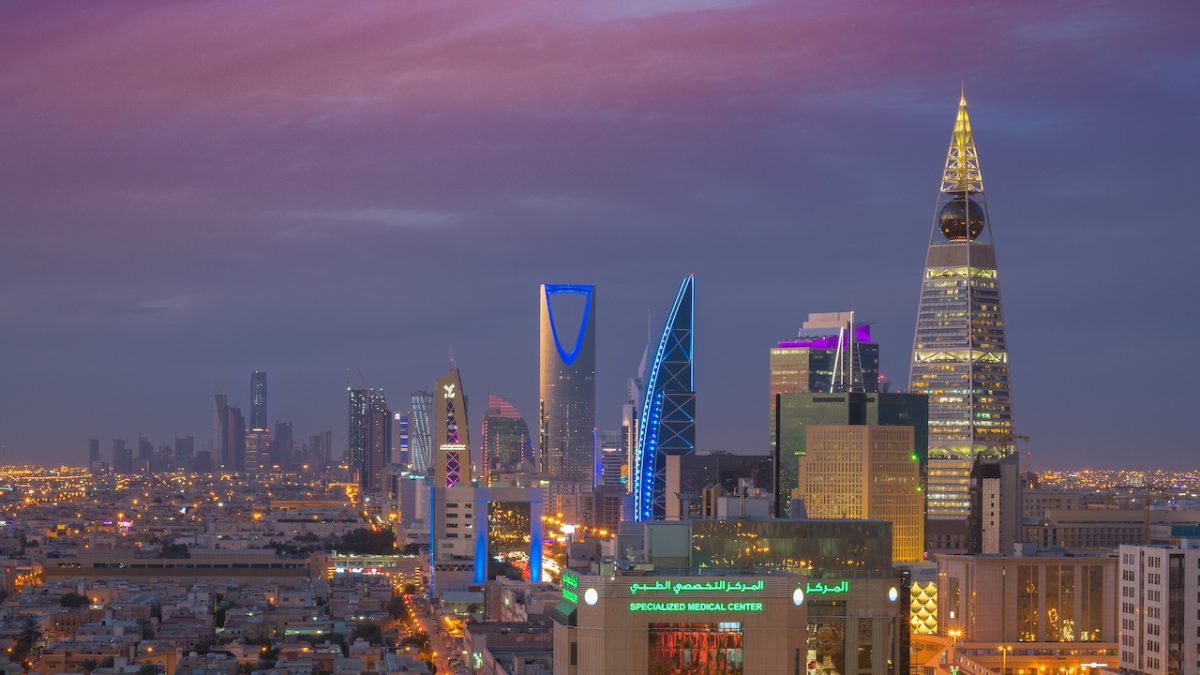
Take AlUla, for instance. This desert oasis is home to Hegra, Saudi's first UNESCO World Heritage site, with tombs carved into sandstone cliffs that rival Petra. Then there's Riyadh, a city of skyscrapers and souks, and Jeddah, the gateway to the Red Sea, where divers are discovering coral reefs that remain blissfully uncrowded.
The Kingdom's Grand Ambitions
Saudi Arabia's Vision 2030 plan is the engine behind this transformation. The goal is to attract 150 million visitors annually by 2030, and tourism is a key pillar in diversifying an economy long dependent on oil. The Red Sea development, a luxury resort project along the coast, is already welcoming guests, and the 2034 FIFA World Cup promises to put the Kingdom on the global sports map.
International visitors now account for nearly half of all nights spent in the Kingdom, up from just 9% of spending in 2019 to 28% in 2025. That's a seismic shift in just a few years. As Dave Goodger, Managing Director at Tourism Economics, puts it, Saudi has moved from the edge of the global tourism map toward its center.
Beyond the Headlines
While Europe is the focus, Asia is also on the rise. Thailand, Indonesia, Australia, and Singapore are all expected to see significant growth in visitor nights. China is another target, with more than half of surveyed Chinese travel agents already offering trips to the Kingdom.
For travelers, the practical side is getting easier. Citizens of all 27 EU countries can now apply online for a one-year multiple-entry visa, allowing stays of up to 90 days. That's a game-changer for spontaneous trips. And with new flight routes and hotel openings, getting there is simpler than ever.
If you're looking for a destination that feels both exotic and accessible, Saudi Arabia might surprise you. The Red Sea coast is perfect for beach lovers, while the Empty Quarter offers some of the most dramatic desert landscapes on Earth. And for those who crave culture, the ancient ruins of Diriyah and the bustling markets of Jeddah are just the beginning.
Of course, the travel landscape is always shifting. If you're planning a trip, it's worth keeping an eye on how Europe's border systems might affect your journey, especially during peak seasons. And if you're a fan of night trains, you might want to check out Europe's boldest night train as an alternative way to explore the continent before heading east.
Saudi Arabia is no longer a stopover or a pilgrimage. It's a destination in its own right, and Europeans are leading the way. The question isn't whether you'll go, but when.