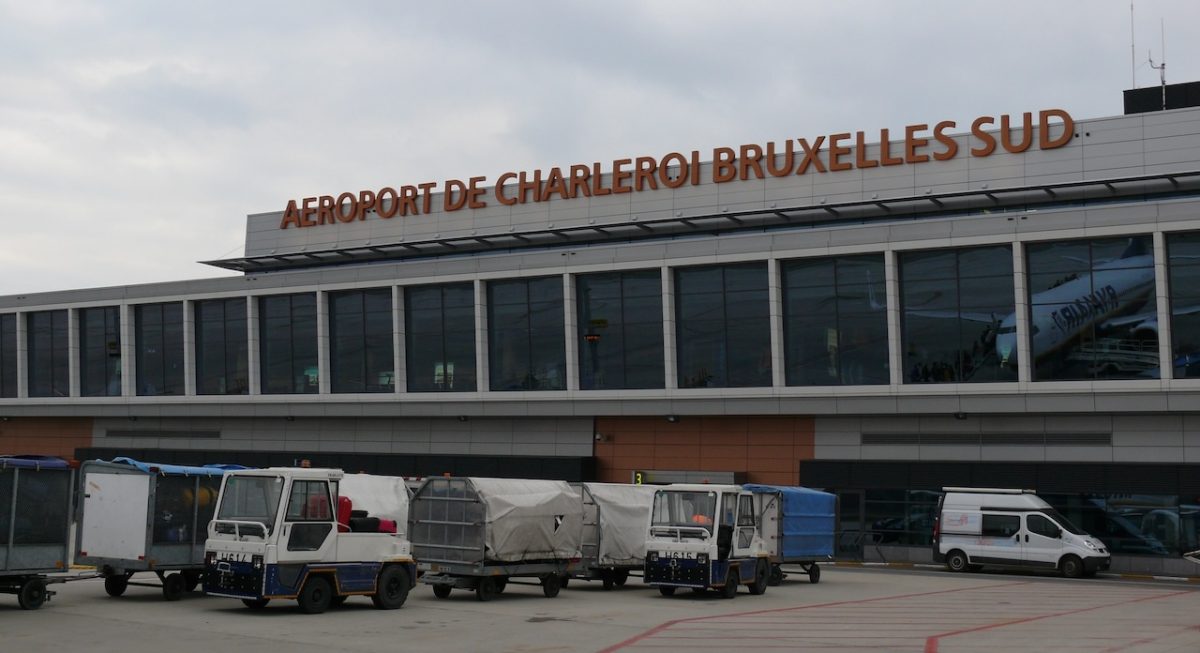
Travelers flying through Brussels South Charleroi Airport are facing a rocky autumn. Air traffic controllers there have announced a nightly strike starting Wednesday, September 16, 2026, and it could stretch all the way to the morning of Saturday, October 10. That's 24 consecutive nights of walkouts, each lasting from 10:00 pm to 8:00 am. The action follows a breakdown in talks over night-shift pay, and it's already sending ripples through flight schedules.
The timing is brutal for late-night arrivals and early-morning departures. Charleroi officially closes its runway during part of the night, but some aircraft are still allowed to land, especially those operated by Ryanair under a special agreement. If an incoming flight is delayed or canceled, the knock-on effect could hit the plane's next scheduled service, creating a domino effect that stretches into the day. As of now, no detailed list of affected flights has been released, so passengers should stay glued to their airline's updates.
What's Behind the Walkout
At the heart of the dispute is the night allowance, the extra pay controllers receive for working overnight shifts. The union, VSOA, is demanding a raise to 160% of the current rate, which management says already tops €1,000 per shift. Skeyes, the company that runs Belgium's air traffic control, has flatly refused. Their reasoning? The airport is closed at night, so they argue the premium is unjustified.
But the union sees it differently. Lennert Mervilde, a VSOA representative, points out that controllers are still on duty during those hours, even if the airport is officially shut. "There is an agreement between Charleroi Airport and Ryanair allowing aircraft based there to still land," he explained, noting that one plane arrived as late as 5:20 am just last week. For Mervilde, the strike is a last resort after months of failed mediation.
A Bigger Battle Over Digital Towers
The pay dispute is tangled up with a larger transformation. Skeyes plans to move air traffic control for Charleroi and Liège to a new digital center in Namur, where controllers would supervise flights remotely instead of sitting in a tower beside the runway. That shift has created deep unease among staff, and the night allowance fight is partly a symptom of that broader anxiety.
Mervilde says the union is open to dialogue, but management has called the scale of the strike "disproportionate." A ten-hour stoppage every night for nearly a month could have "very significant consequences," Skeyes warned, not just for flights but for the airport's entire ecosystem, from shops and cafes to ground crews whose livelihoods depend on a steady stream of planes.
For now, the ball is in management's court. The union says it's waiting for a new initiative, but with the first night of action just days away, the clock is ticking. If you're booked on a late-night or early-morning flight from Charleroi, check with your airline before heading to the airport. And if you're flexible, consider shifting your travel plans to daytime hours, when the airport should operate normally.
This isn't the only headache in European aviation right now. Britain's airports just shattered records despite Middle East chaos, showing how resilient the industry can be. But for Charleroi, the coming weeks will test that resilience. And if you're wondering about other airport disruptions, Miami's runway disaster exposes a gap in U.S. airport safety, a reminder that ground operations can be fragile everywhere.
For now, travelers should brace for a bumpy ride. The strike is set to begin at 10:00 pm on September 16, and unless a last-minute deal emerges, the silence over Charleroi's runways will be loud indeed.