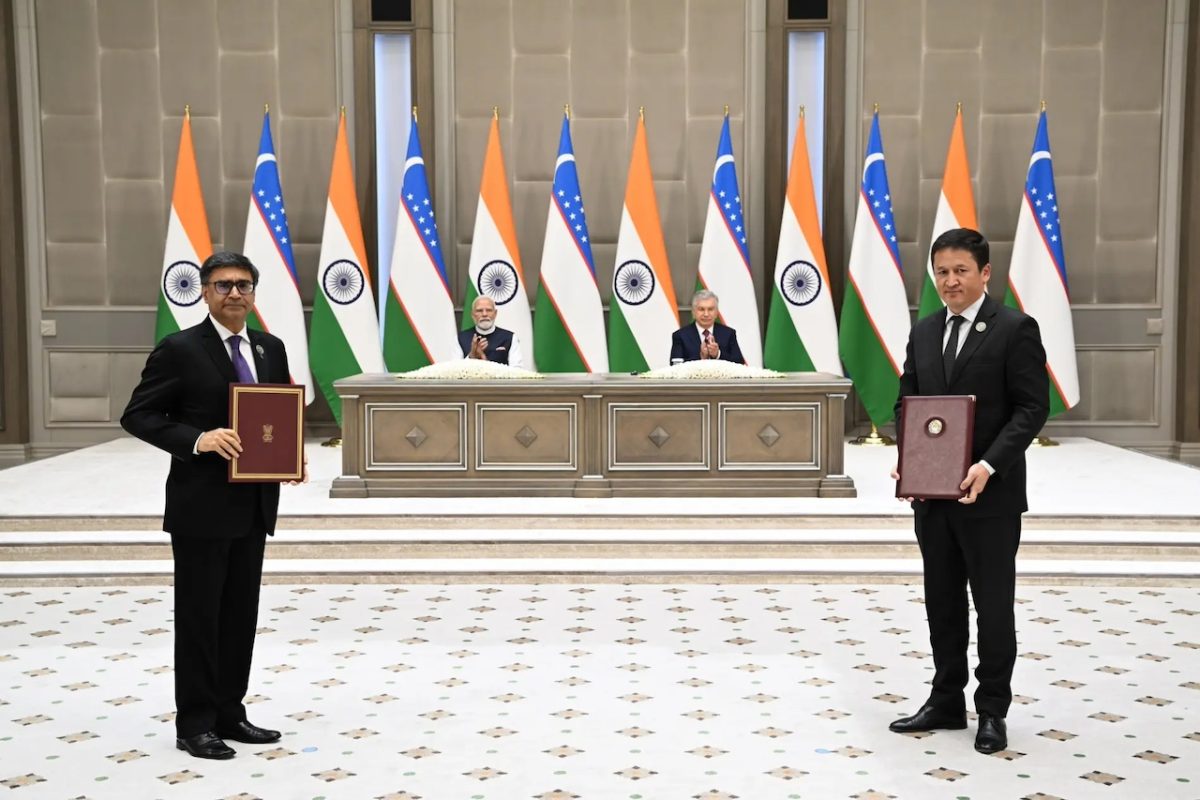
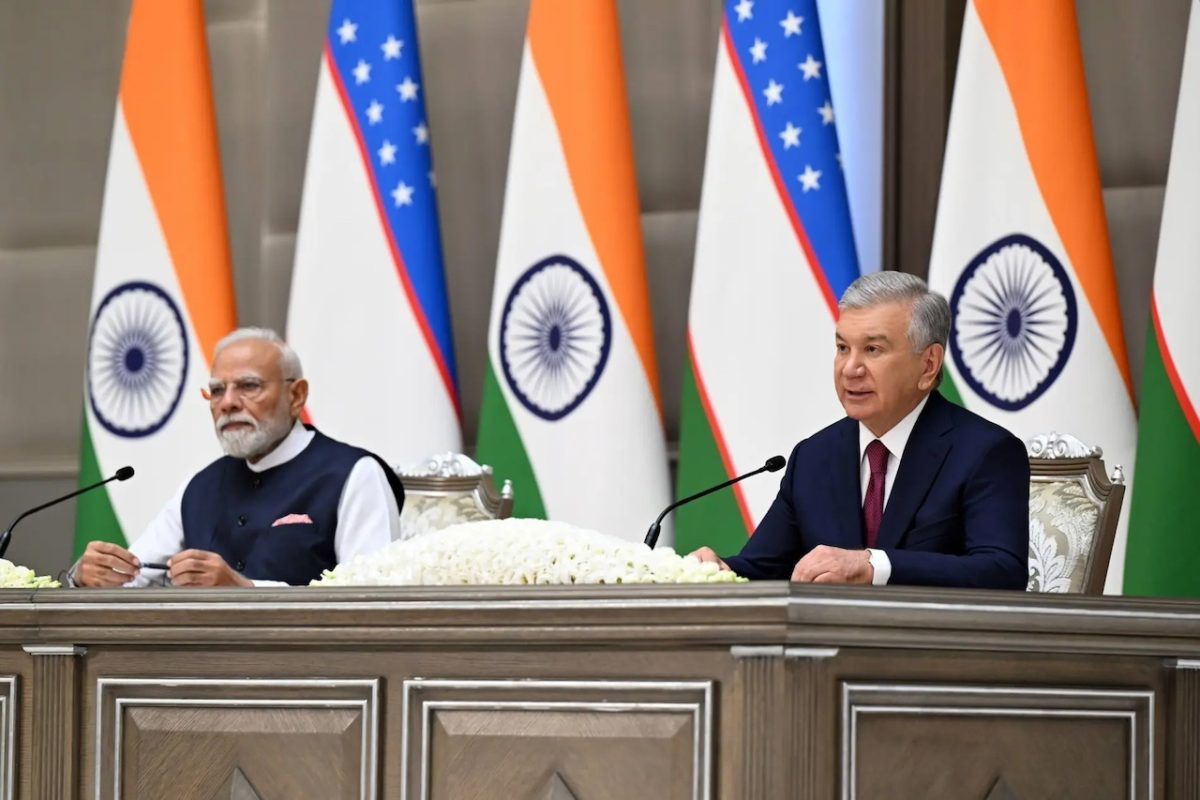
When two countries' leaders shake hands on tourism, it's rarely just about tourism. Last week in Tashkent, Indian Prime Minister Narendra Modi and Uzbek President Shavkat Mirziyoyev signed what looks on paper like a straightforward tourism agreement. But the details tell a different story: they've just unlocked a door that's been closed for years.
The headline grabber is simple enough. Starting now, Indian citizens can enter Uzbekistan for up to 30 days without a visa. No applications. No embassy visits. No waiting. For travelers accustomed to the bureaucratic back-and-forth that defines visa processes, this feels almost novel. The two countries also locked in a Tourism Cooperation Programme running through 2028, with plans for cultural weeks, film festivals, and brand-new shared travel routes.
Here's what makes this genuinely significant: India sends roughly 9.2 million people abroad annually. It's a tourism market the size of entire countries. Yet only 26,450 Indians visited Uzbekistan in the first half of 2026, making it a blip compared to the country's regional neighbors. That's because visas are friction. Friction kills dreams. Remove it, and things change.
The practical stuff that actually matters
Beyond the symbolic hand-shaking, the two governments addressed real traveler pain points. There are already 14 direct flights weekly between India and Uzbekistan, keeping flight times reasonable. Now they've added digital payment compatibility. Indian visitors will be able to use UPI-enabled payment apps (the systems that let millions of Indians tap their phones to pay at home) directly in Uzbekistan. That's the kind of detail that separates genuine accessibility from empty promises.
Current travelers are advised to confirm implementation dates and final entry specifics before booking, but the trajectory is clear. The infrastructure for easier Indian arrivals is being built in real time.
Why this matters beyond the numbers
The tourism angle is the headline, but the real story is deeper. Modi's state visit produced 16 bilateral agreements across trade, defense, energy, and digital infrastructure. Tourism was one thread in a much larger tapestry. The two countries are aiming to triple their trade relationship to $5 billion by 2030, and tourism cooperation serves that bigger ambition. Business travelers, conference delegations, and corporate trips will flow both directions once the ecosystem is fully in place.
Uzbekistan itself has ambitions that dwarf current visitor numbers. The country is targeting 20 million international arrivals annually by 2030, up from around 6.5 million today. Tourism's contribution to GDP needs to climb from 3.5 percent to 7 percent. The government is simultaneously investing in new accommodation, transport infrastructure, and diversified tourism products. Places that scale tourism successfully do it by attacking the problem from multiple angles at once, which is exactly what Uzbekistan is doing.
What's actually on offer
Most visitors know Uzbekistan through the Silk Road trinity: Samarkand, Bukhara, and Khiva. Those cities deserve their reputation. But the country is developing deeper product lines. Ecotourism ventures into the deserts and mountains. Food tourism builds on a genuinely underrated culinary tradition. Pilgrimage routes. Medical tourism. Sports events. MICE (meetings, incentives, conferences, exhibitions) infrastructure. The goal is to de-seasonalize the calendar and appeal to travelers who might not care about ancient tiles and caravanserais.
There's also a cultural bridge building happening quietly. Uzbekistan hosts centers dedicated to Indian culture, from the Lal Bahadur Shastri Centre for Indian Culture to the Mahatma Gandhi Centre for Indian Studies. Yoga has become increasingly popular, and Uzbekistan participated in the first World Yogasana Championship held in Ahmedabad this year. These aren't random gestures. They're the architecture of familiarity.
The timing
Tourism arrivals to Uzbekistan grew 24.9 percent in the first half of 2026 compared to the same period the previous year. The momentum is real. The visa-free arrangement, connectivity improvements, and payment system integration hit at the exact moment when the country is building new hotels, upgrading transport routes, and actively promoting beyond its traditional regional market. This is the opposite of entering a destination on the decline.
For travelers, the equation is simple: less friction, more access, and a country actively preparing for your arrival. For India, it means a new source of cultural exchange and business opportunity. For Uzbekistan, it could be the key to reaching those ambitious 2030 targets. The paperwork signed in Tashkent might be dry reading, but the implications are genuinely worth your attention.