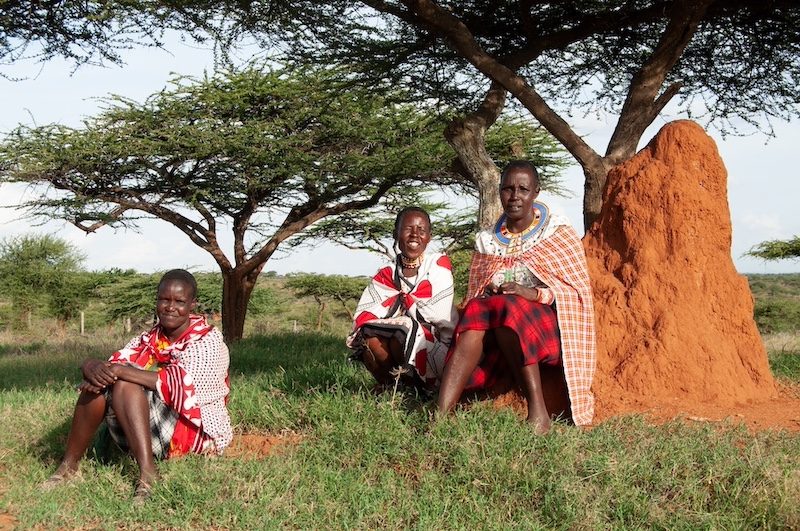
The sun was already high when I walked through the gate of the Koija community in Naibunga Lower Conservancy. The Chui Mamas were hard at work, bent over rows of green crops, their hands deep in the red earth. Some used pangas, others just their fingers, pulling weeds with the kind of focus that comes from knowing this land is theirs to nurture.
Under a nearby acacia tree, a few younger women stood watch, babies wrapped snugly against their chests. They smiled as I approached, curious about the visitor with the camera. One older woman straightened up, wiped her brow with the back of her hand, and called the group together. Her face, lined by decades of sun and hard seasons, held a quiet pride that needed no translation.
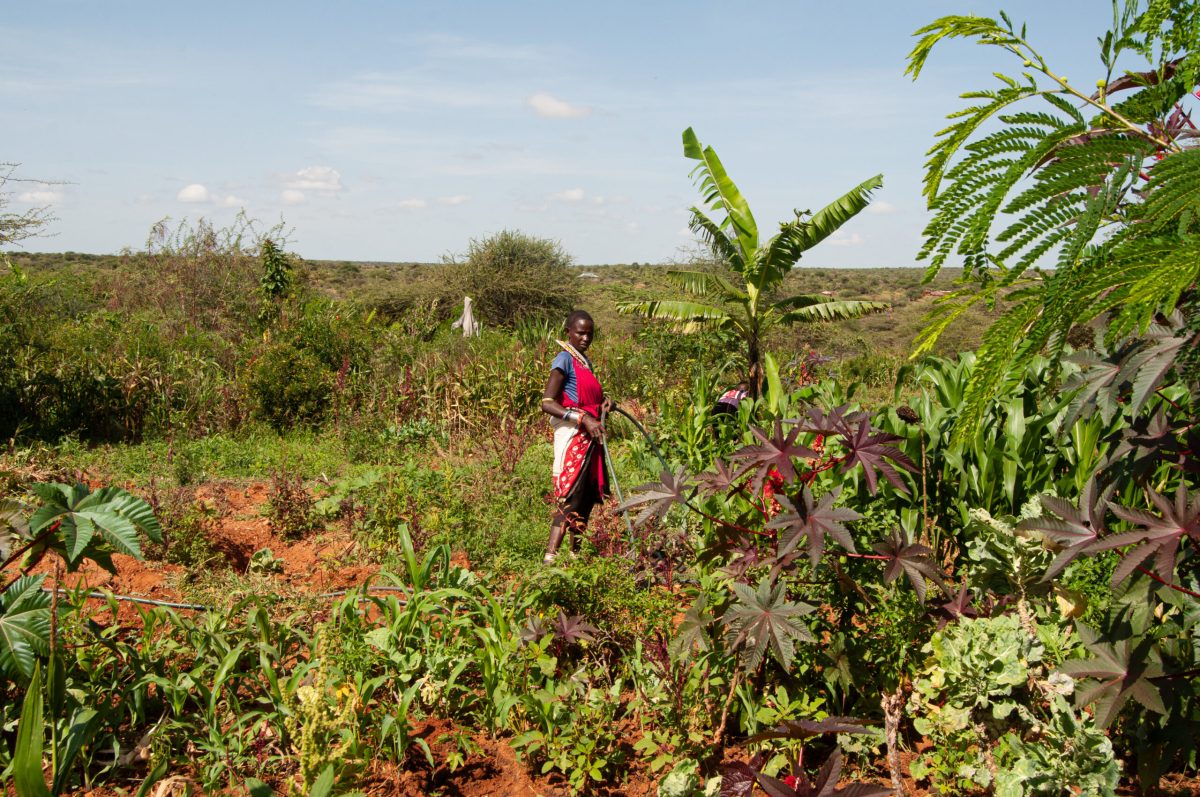
This is the second stop in a four-part journey through Naibunga Lower, a community-owned conservancy in northern Kenya. The Chui Mamas are one of about twenty women's groups here, and their resource centre is a hive of activity. Beyond the permaculture farm, they run a soap-making lab, a beadwork project, and a tailoring workshop that will soon stitch school uniforms for local kids. They also manage 200 beehives, harvesting between 10 and 15 kilos of honey twice a year.
But this wasn't always their path. For years, many women in this region made a living by cutting down trees and turning them into charcoal. It was a hard, dirty trade that stripped the land and offered little in return. In 2024, with support from partners like San Diego Zoo Wildlife Alliance, Loisaba Conservancy, and Powering Africa Recharging Conservation, the women decided to try something different. They would create new sources of income, learn about conservation, and stop the chopping.
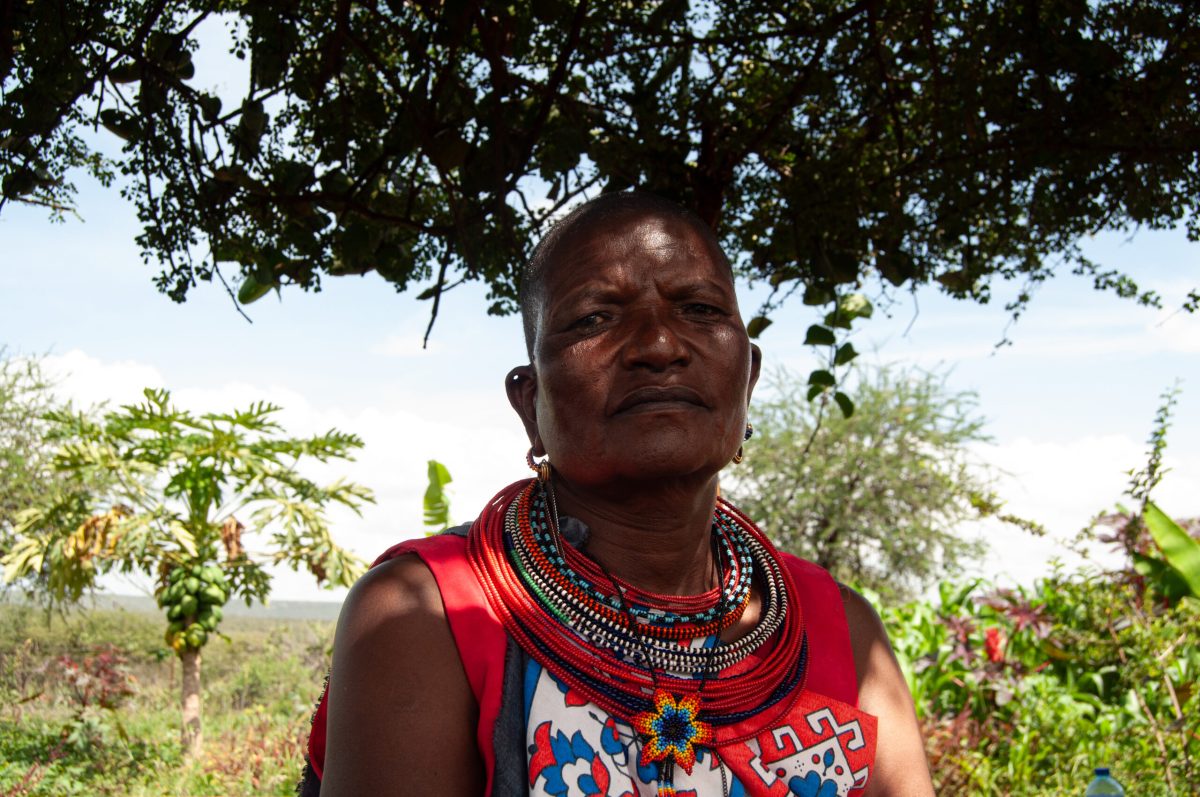
“We have joined hands and decided, instead of chopping trees and destroying the ecosystem, we looked for another alternative to living,” said Metian Kididing, one of the group's members. Wangui Naiputari, the chairlady, added, “We volunteered to cultivate this piece of land with our bare hands, so we could plant food products. Despite all the challenges we have endured, we have strived to make our projects a success so we can bring change as women.”
Their determination is tangible. The farm is lush with vegetables and hibiscus, the flowers drying in small bundles for tea. The soap lab smells of essential oils and lye, and the beadwork glitters in the afternoon light. It's a far cry from the smoke and ash of charcoal pits.
Visitors are welcome here. You can buy fresh produce, a bag of hibiscus tea, or a bar of handmade soap directly from the women. If you have time, ask for a guided tour. They'll walk you through the farm, show you the plants still growing, and let you taste the honey straight from the comb. It's a chance to see conservation in action, and to support a model that's spreading across the region.
For travelers looking to understand the real Kenya, beyond the safari jeeps and resort pools, a visit to Naibunga Lower is a revelation. It's a place where women are rewriting their own stories, one beehive at a time. And if you're planning a trip that includes community-led experiences, you might also want to check out how other destinations are embracing sustainable tourism. For a different kind of escape, consider the hidden gardens beyond Brussels that feel like another world. Or, if you're curious about how travel is changing for women, read about Dubai's women-only beach and what it means for the future of travel.
As I left, clutching my own little bag of hibiscus flowers, I felt a strange mix of joy and humility. These women had given me more than tea leaves. They'd shown me what it looks like when a community chooses hope over habit, and how a simple decision can ripple outward, changing everything.