
Picture this. You are planning a weekend getaway to a charming boutique hotel in Lisbon or a family-run guesthouse in the Italian countryside. Chances are, you will find that property on Booking.com or Expedia. In fact, a new study from HOTREC, the European hospitality association, reveals just how much power those two platforms now hold over where you sleep.
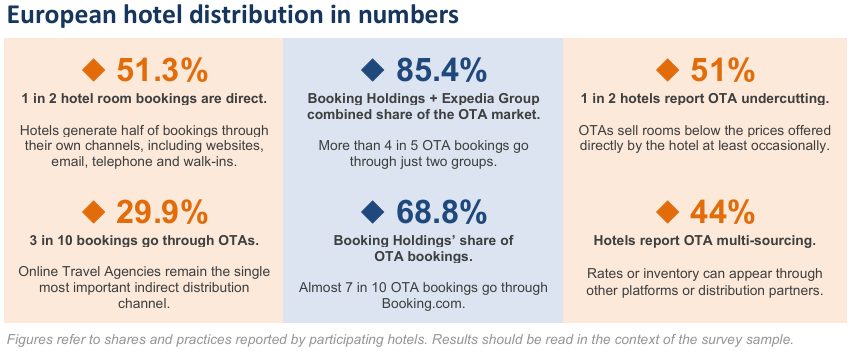
The 2026 European Hotel Distribution Study, led by Professor Roland Schegg of HES-SO Valais-Wallis, surveyed 2,713 hotels across the continent. The findings are stark. Booking Holdings and Expedia Group together account for more than 85% of all online travel agency (OTA) bookings in Europe. Booking alone has grown from 60% of OTA bookings in 2013 to nearly 70% today. That leaves a handful of smaller players fighting for scraps.
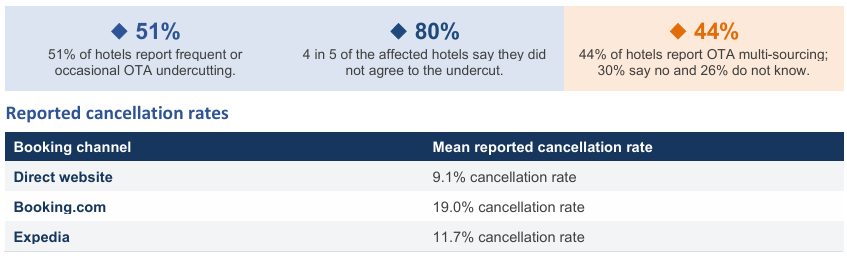
For travelers, this concentration might seem like a non-issue. You can still compare prices, read reviews, and book in a few clicks. But the study shows a darker side. More than half of the hotels surveyed said OTAs undercut their prices, often without the hotel's consent. And 44% reported that their rates and availability get redistributed through other platforms, leading to confusion, billing headaches, and outdated information. That charming hotel you booked might not even know its own room is listed at a discount.
Direct Bookings Are Still Alive
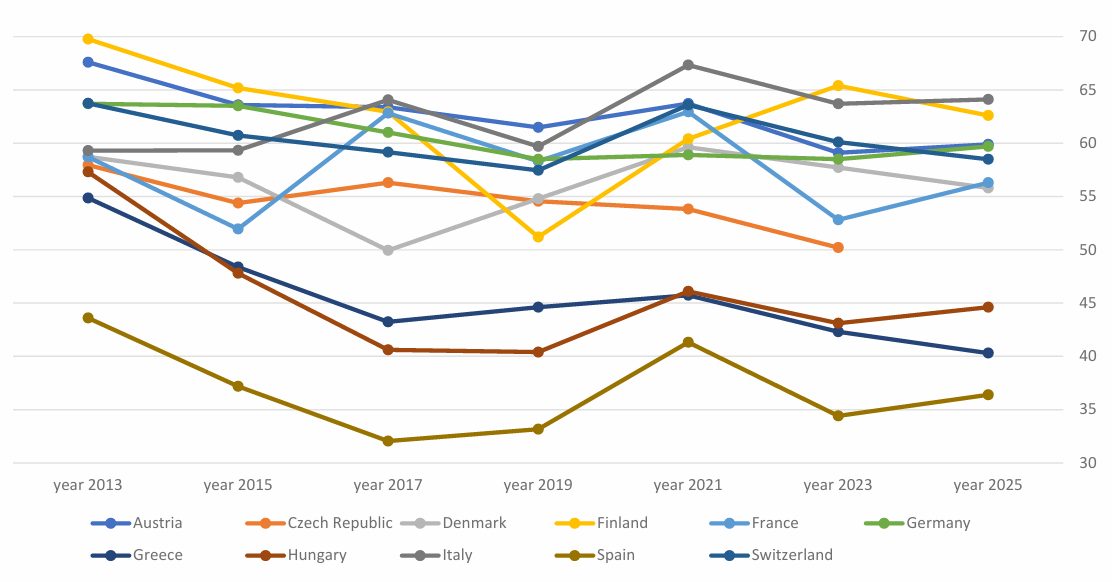
Here is the good news. Despite the OTA juggernaut, direct bookings remain resilient. The study found that 51.3% of hotel bookings are still made directly with the property, whether through the hotel's website, email, phone, or simply walking in. That number has dipped by 6 percentage points since 2013, but it shows that many travelers still value the personal touch and the perks that come with booking direct.
Independent hotels and small chains are feeling the squeeze, though. With two global giants controlling the online marketplace, these small businesses have little leverage. They pay hefty commissions, often 15% to 25% per booking, and have limited control over pricing and inventory. HOTREC's president, Alexandros Vassilikos, put it bluntly: "Hotels need digital platforms, but they also need genuine choice. Growing concentration must not translate into growing dependency."
What This Means for Your Next Trip
For travelers, the takeaway is simple. Booking directly with a hotel can save you money and get you better treatment. Many hotels offer perks like free breakfast, room upgrades, or flexible cancellation for direct bookings. It also puts more money into the hands of the people who actually run the place, not a faceless corporation.
That said, OTAs still have their place. They are great for comparing options and finding deals, especially in unfamiliar cities. Just be aware that the price you see might not be the best one. A quick check of the hotel's own website could reveal a better rate or a special offer.
The study also highlights a growing concern about price parity and rate parity clauses. When you see a hotel room listed on Booking.com for less than the hotel's own site, that is often because the OTA has negotiated a lower rate, sometimes without the hotel's approval. This practice, known as rate undercutting, was reported by 51% of hotels. And 80% of those hotels said they did not agree to the lower price.
Europe's Digital Rules Under Pressure
HOTREC is calling on the European Union to step in. The association sees Booking Holdings as a "gatekeeper" under the Digital Markets Act (DMA), which aims to keep big tech platforms from abusing their power. But the proposed Digital Omnibus could weaken the Platform-to-Business Regulation, the very rules that protect hotels from unfair practices.
"Europe's digital rules are not only about search engines, social media or app stores," said Marie Audren, HOTREC's Director General. "For thousands of hotels, a gatekeeper platform stands directly between the business and its guest."
This is not just a business story. It affects your travel experience. When hotels lose control over their pricing and distribution, they have less money to invest in renovations, staff, and guest services. The next time you book a room, think about where your money is going. A direct booking might just get you a warmer welcome and a better deal.
For more on how Europe's travel landscape is shifting, check out our piece on Booking.com's fake Downing Street listing and the gaps in fraud detection. And if you are planning a trip, remember that the hottest summer on record in 2026 might make you rethink your destination, as Europe felt the heat in a big way.