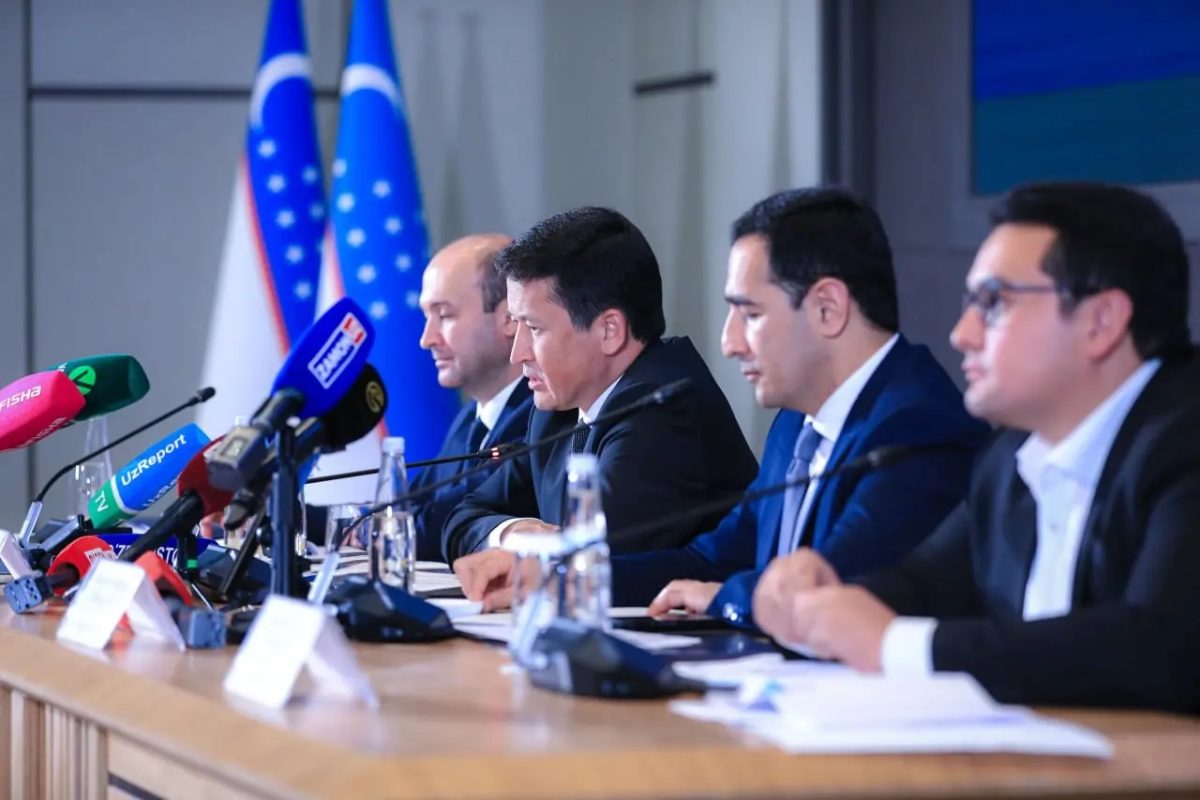
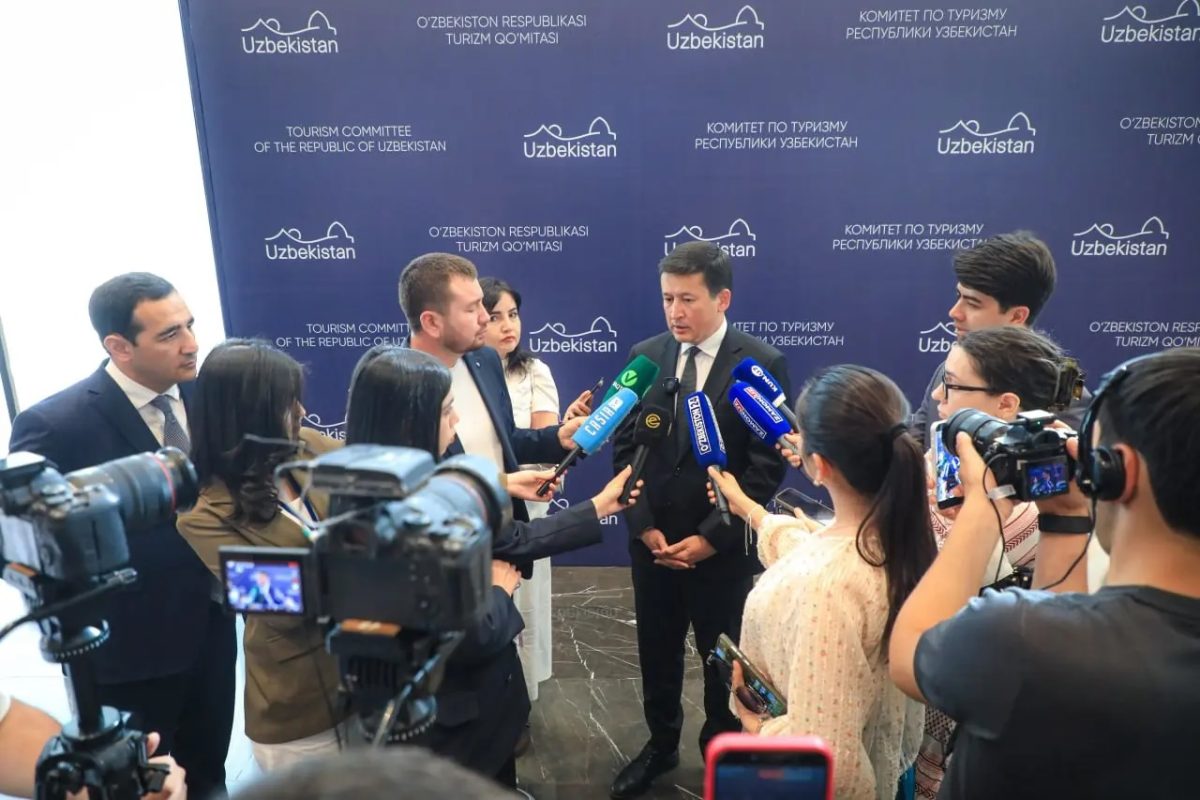
Uzbekistan is making a serious move to reshape its position on the global travel map. The government recently announced a sweeping tourism strategy that extends to 2030, backed by concrete targets and substantial funding. This isn't vague aspiration territory; authorities have mapped out exactly what they want to achieve and how they plan to get there.
The numbers tell the story. By 2030, Uzbekistan wants to welcome 20 million foreign visitors annually, boost tourism's contribution to GDP to 7%, and generate over USD 6 billion from tourism exports. For context, the country welcomed 4 million international arrivals in just the first four months of 2026, a 30% surge compared to the same period the year before. Momentum is already building.
Building the Infrastructure Foundation
You can't scale tourism without the roads, hotels, and utilities to back it up. Uzbekistan is pouring roughly 950 billion soums this year into upgrading transportation networks, water systems, sanitation facilities, and public spaces. The strategy includes developing master plans for 34 major tourism sites and creating 31 entirely new facilities. One flagship example is the Kipchak Fishing Village in Karakalpakstan, designed to pull visitors away from the usual suspects (Samarkand, Bukhara, Khiva) and into less-explored corners of the country.
Accommodation is expanding rapidly too. By 2030, expect 8,250 hotels and guesthouses across the country, offering 95,000 rooms. The government has also established two specialized institutions under its Tourism Committee, one focused purely on infrastructure and another on developing new tourism products. This kind of operational structure suggests they're serious about execution, not just window dressing.
Beyond the Silk Road Classics
Travel patterns are shifting, and Uzbekistan has noticed. Global travelers increasingly crave specific experiences: food-focused trips, cultural immersion, nature escapes, wellness retreats, pilgrimage routes. Rather than banking entirely on its legendary historical sites, Uzbekistan is cultivating niche segments like ecological tourism, ethnographic experiences, medical tourism, sports trips, and MICE (meetings, incentives, conferences, exhibitions). This diversification mirrors what's happening elsewhere in Central Asia, where emerging destinations are reshaping the region's tourism landscape.
The strategy also recognizes that travelers plan differently now. Digital tools and artificial intelligence shape how people discover destinations and book experiences. Uzbekistan is leaning into this shift, working with platforms like Expedia Group, Amadeus, and Trip.com to boost visibility and streamline bookings. They're simultaneously hosting familiarization trips for foreign tour operators and international journalists from key source markets including the UK, the US, and Australia.
What This Means for Travelers
If you've been considering Uzbekistan as a travel destination, timing is interesting. The country is actively building out experiences and infrastructure with travelers in mind. Roads are being upgraded, new attractions are launching, and the tourism ecosystem is expanding. You're arriving into a destination that's actively improving itself while staying true to its cultural roots.
Domestic tourism continues to anchor the sector, with millions of internal trips recorded under national travel programs. This local foundation keeps the tourism economy stable while international growth accelerates. The combination of renewed infrastructure, expanded attractions beyond the traditional circuit, and genuine investment in traveler experience suggests Uzbekistan is moving from relying on its historical reputation to building a more comprehensive destination.
Whether the 20 million visitor target materializes by 2030 remains to be seen. But the commitment is real: institutional reforms, designated funding, clear timelines, and international partnerships all point to an administration serious about transformation. For travelers, that translates to a country actively preparing for your arrival.